Ice Bucket Challenge: anatomy of a global campaign
This timeline reconstructs the Ice Bucket Challenge as a global communication, social mobilization and fundraising campaign. It shows how a simple, public and replicable challenge became a viral mechanism capable of activating communities, attracting celebrities, gaining media coverage and turning digital attention into measurable donations.
The sequence makes it possible to analyse the campaign in phases: context, insight, participatory mechanism, early activators, expansion across social media, media amplification, organisational management, public debate, fundraising, accountability and subsequent impact. Each milestone explains what happened, the role it played within the campaign and the lessons it offers for communication, fundraising or institutional mobilization projects.
With documented events, periods, images, videos, sources and results, this case shows how TimeDivers can be used to prepare, present and evaluate complex campaigns: organising decisions, visualising key moments, connecting channels and audiences, documenting indicators and turning a communication initiative into a clear, navigable and strategically useful story for teams, clients and organisations.

Export timeline
Export format
Export all currently filtered vertical timeline events as PNG or PDF.
The personal story that gave the cause a human face
In 2012, Pete Frates, a former captain of the Boston College baseball team, was diagnosed with ALS. The news activated a very specific network of relatives, friends, teammates, university contacts, and members of the Massachusetts sports community. Before the Ice Bucket Challenge became a worldwide phenomenon, that network was already organized around a recognizable person with a public story and an urgent cause.
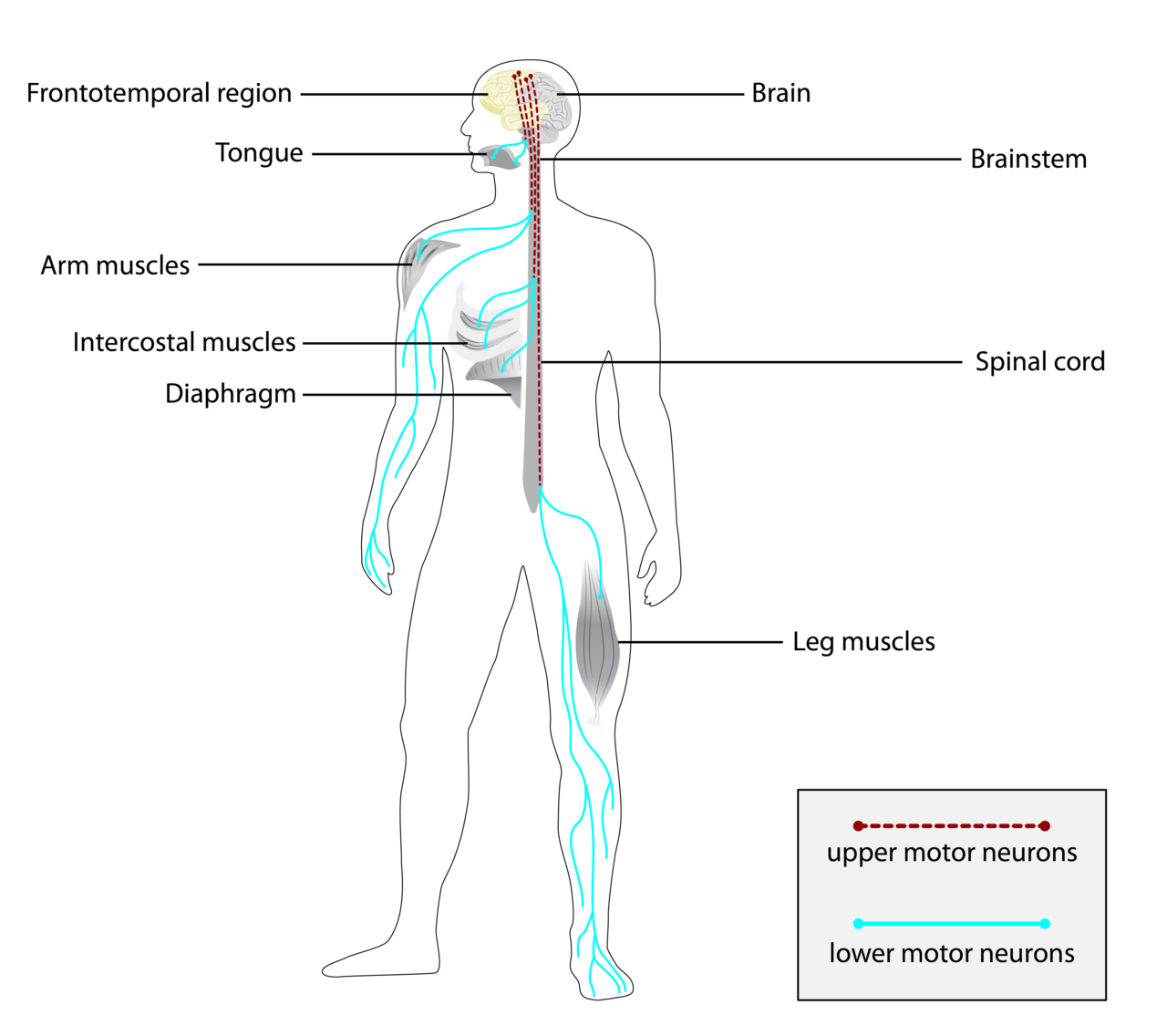
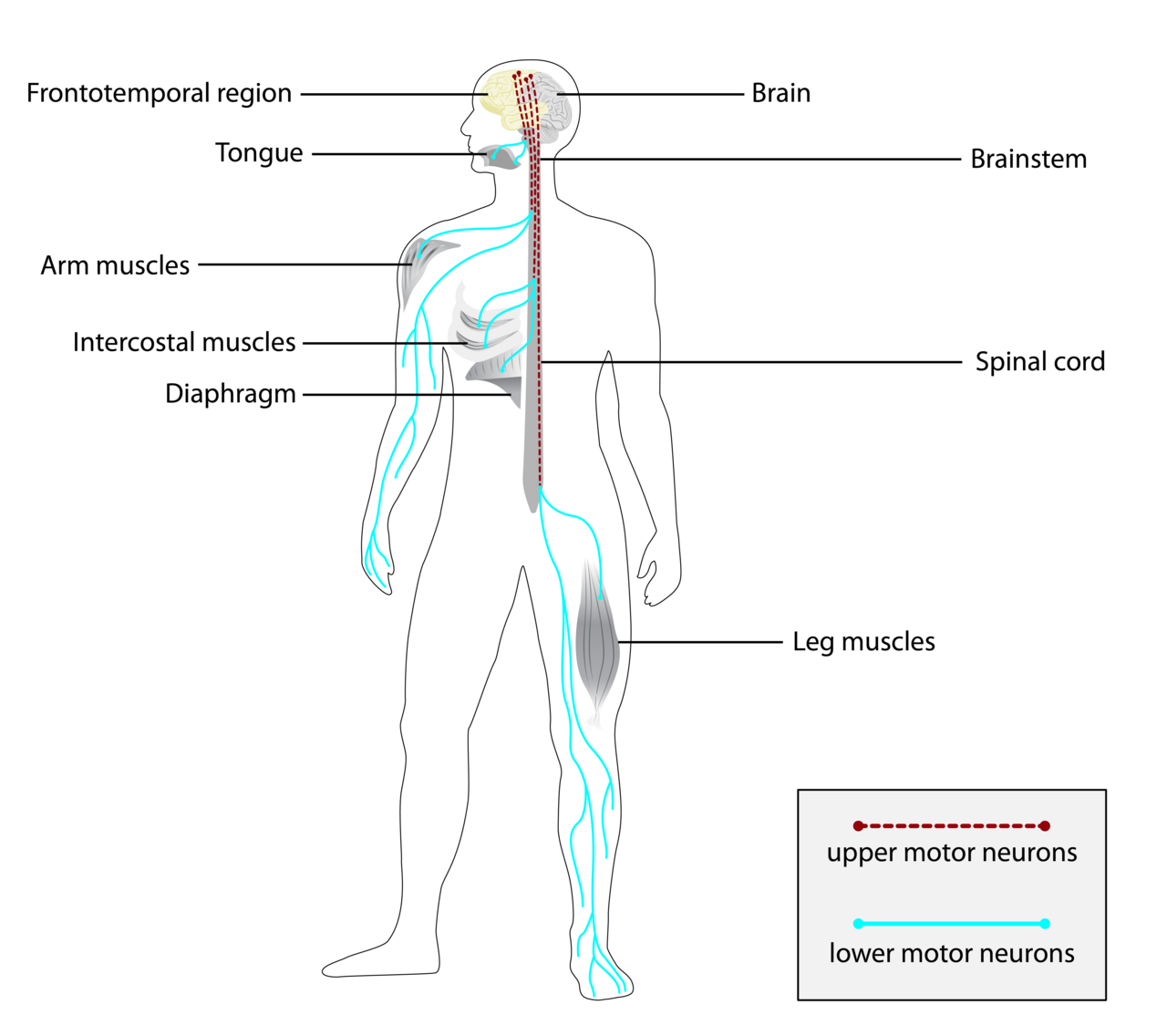
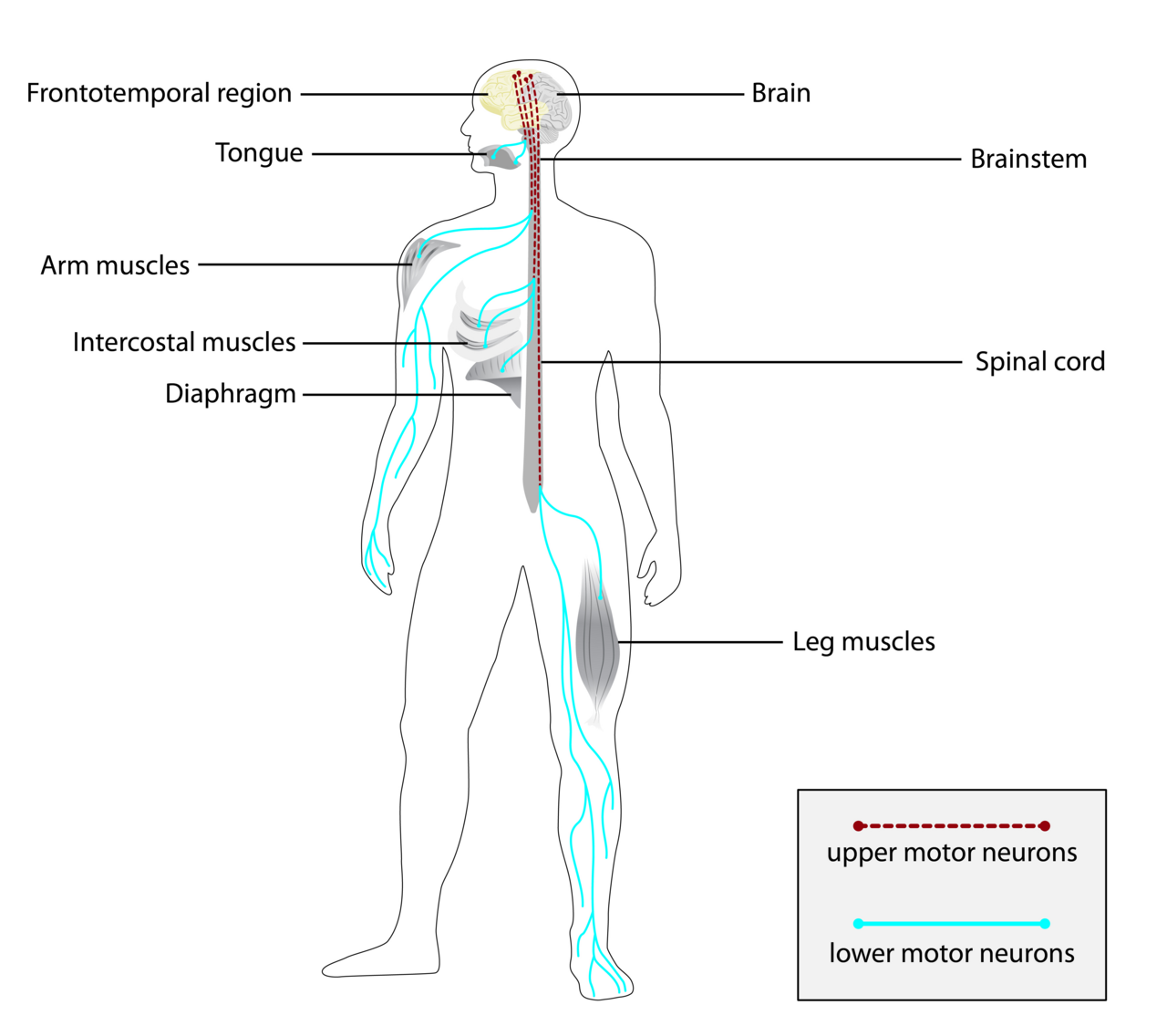
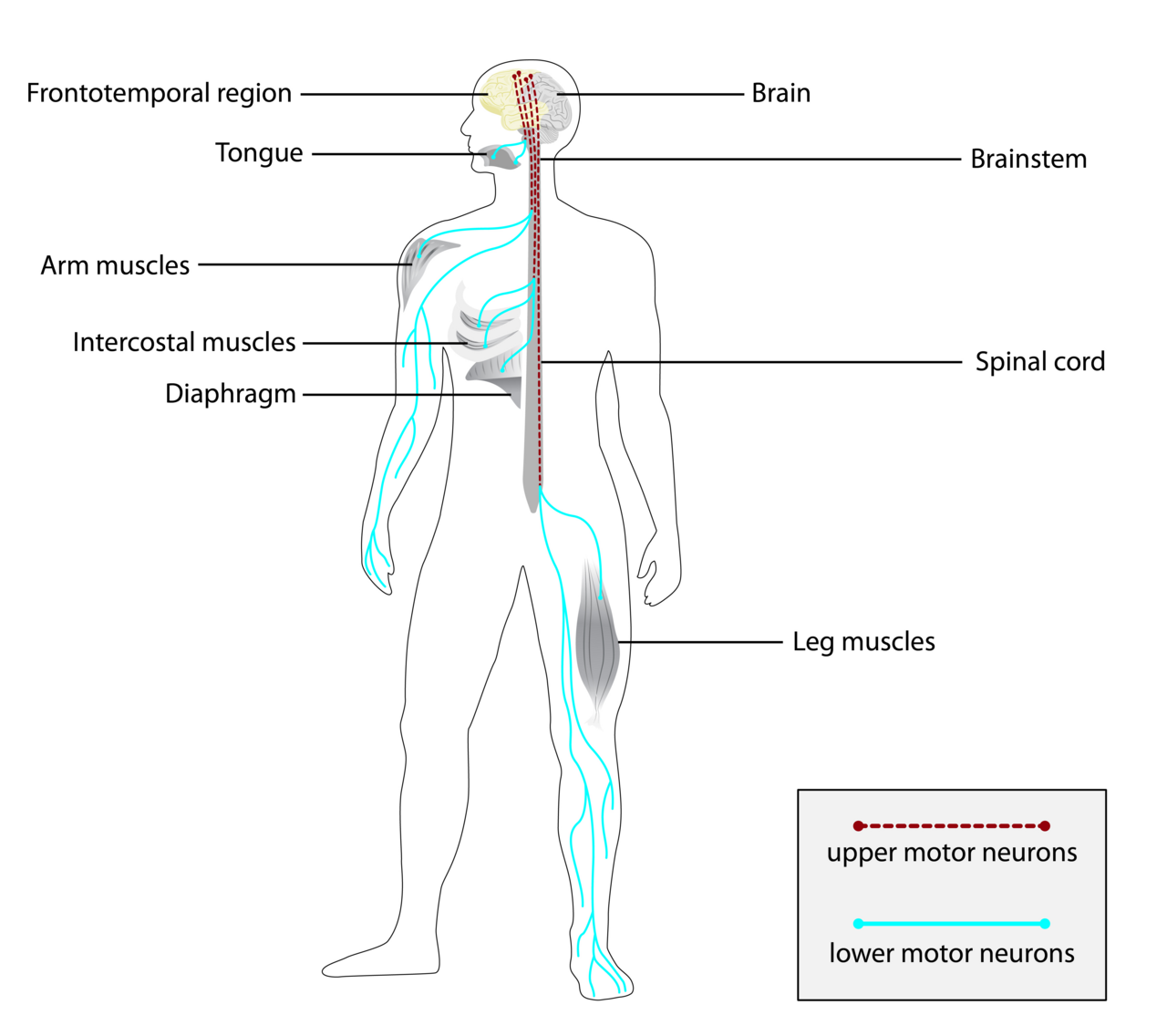
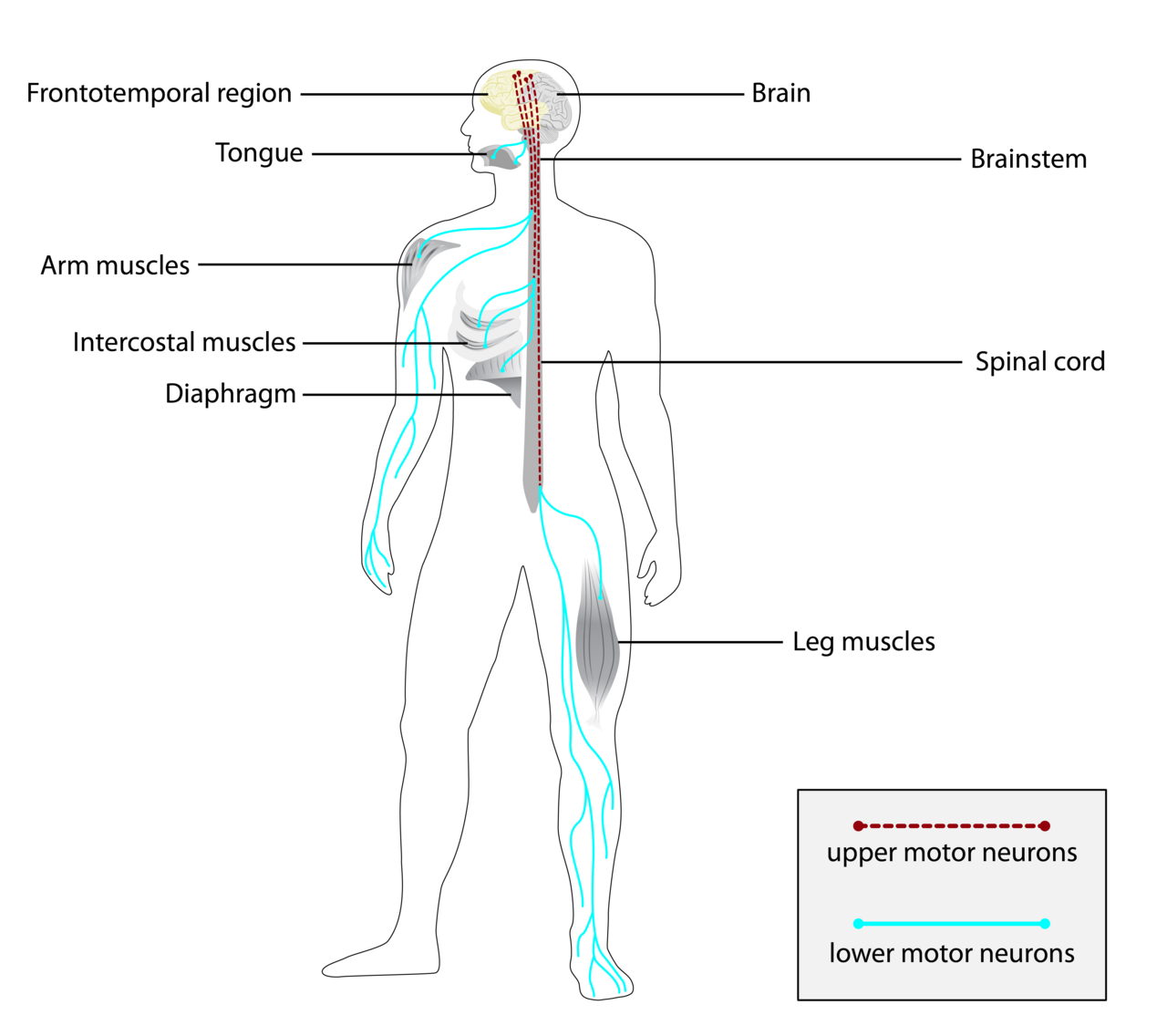
Frates's case helped stop the disease from being perceived as a distant acronym. ALS affects motor neurons, progressively impairing mobility, speech, swallowing, and breathing, and it usually advances without an available cure. When the challenge began to spread, Frates's presence gave a name, a face, and a community to a disease that was unfamiliar to much of the public.
More information: https://www.als.org/ibc
March 2013: Pat Quinn becomes another hub for mobilization
Pat Quinn was diagnosed with ALS in March 2013 and soon became another decisive figure in the movement. From Yonkers, New York, he mobilized relatives, friends, and close contacts, and maintained a highly active public presence to push the cause beyond his own community.
His role mattered because the phenomenon did not depend on a single biography. Quinn connected the challenge with other patient communities and local networks that were already familiar with the disease. When the Ice Bucket Challenge began to grow, those communities provided continuity, personal stories, and an immediate reason to associate the ice-bucket gesture with fundraising for ALS.
More information: https://www.als.org/ibc-how-it-started
The ice-water challenge becomes popular before being linked to ALS
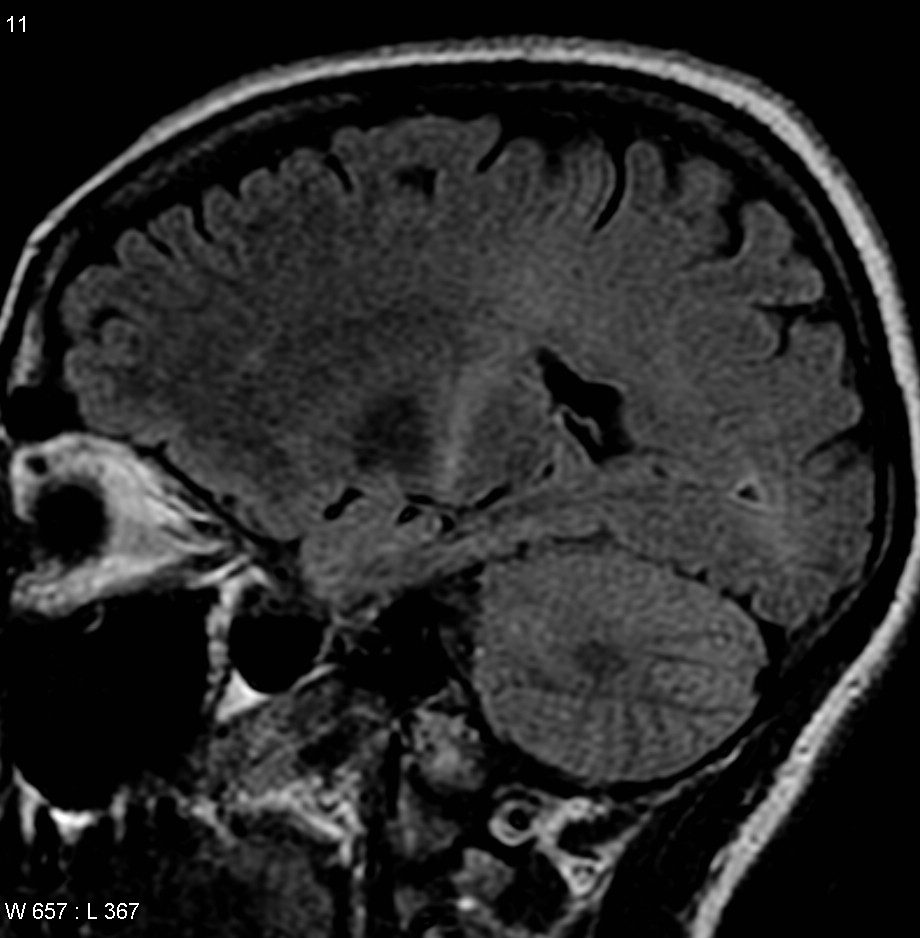
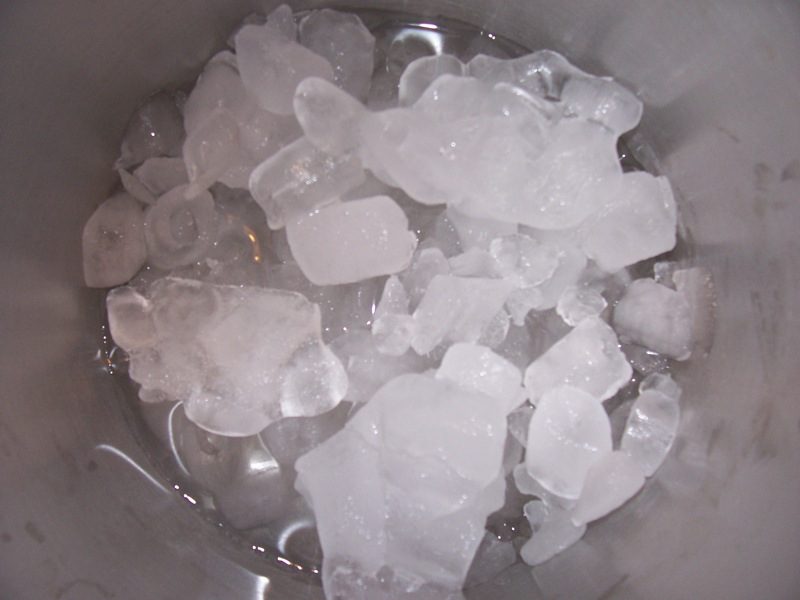
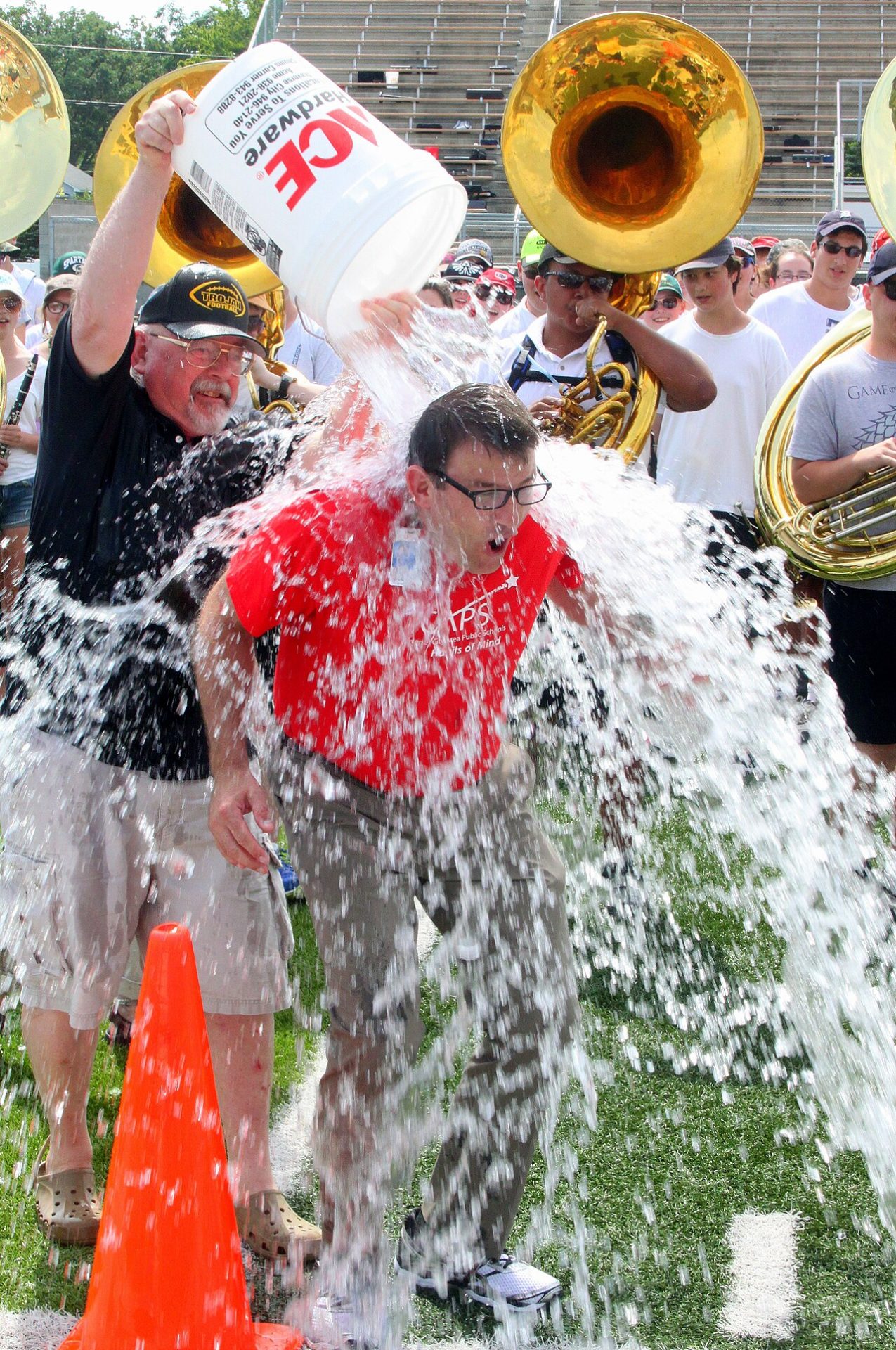
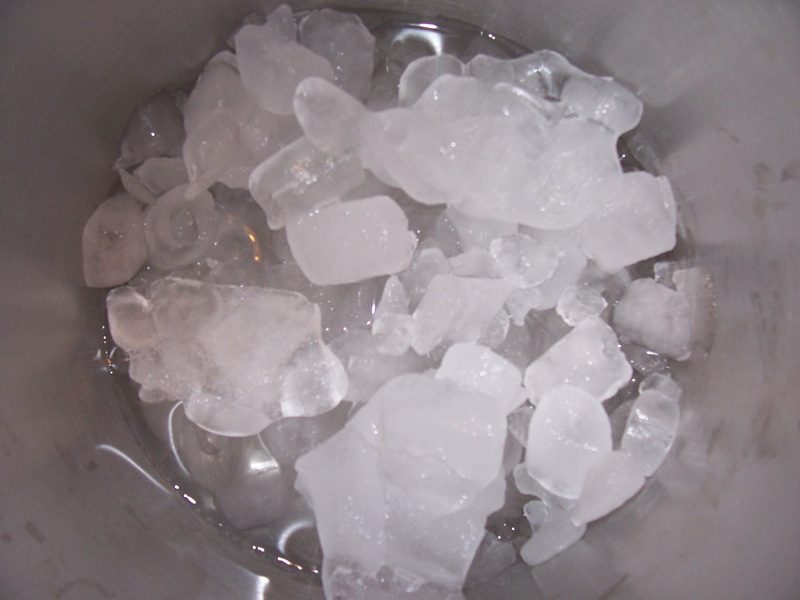
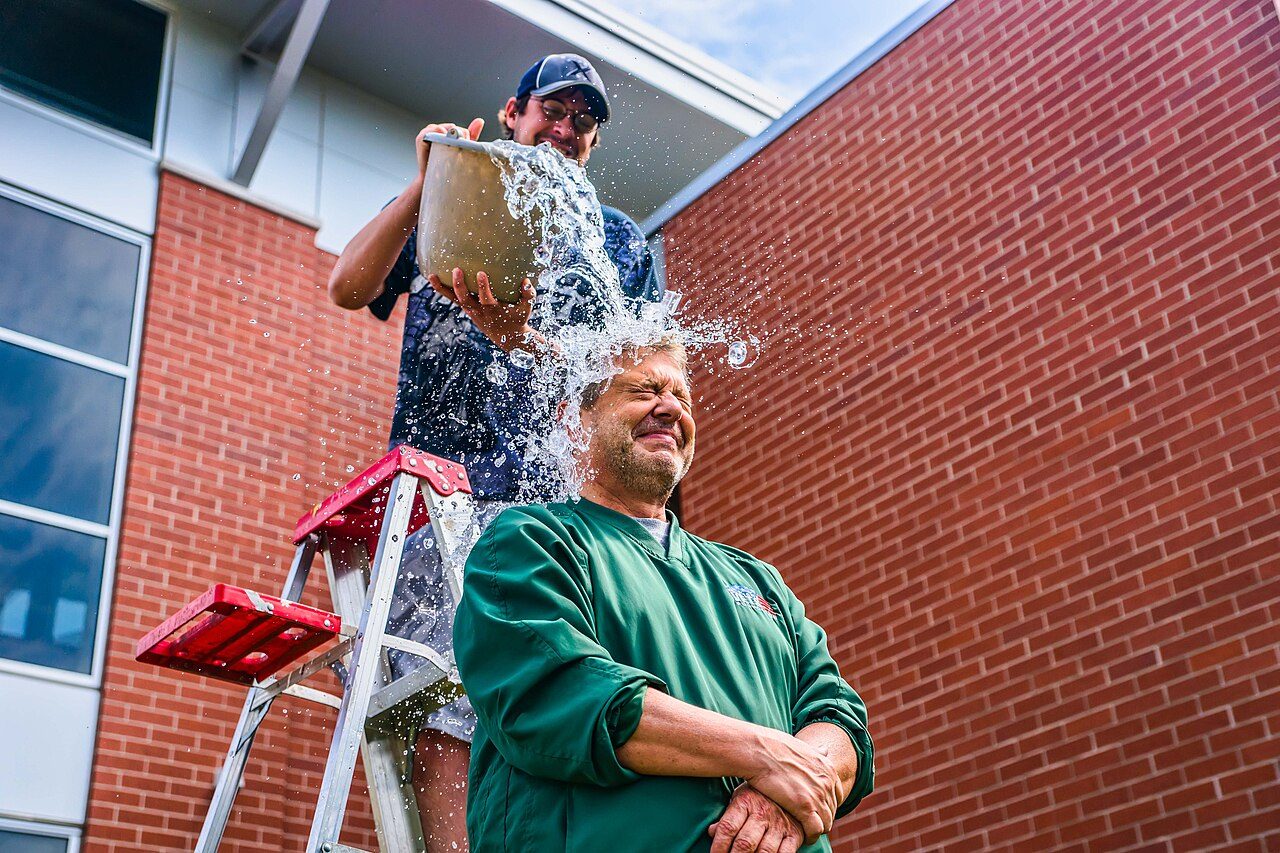
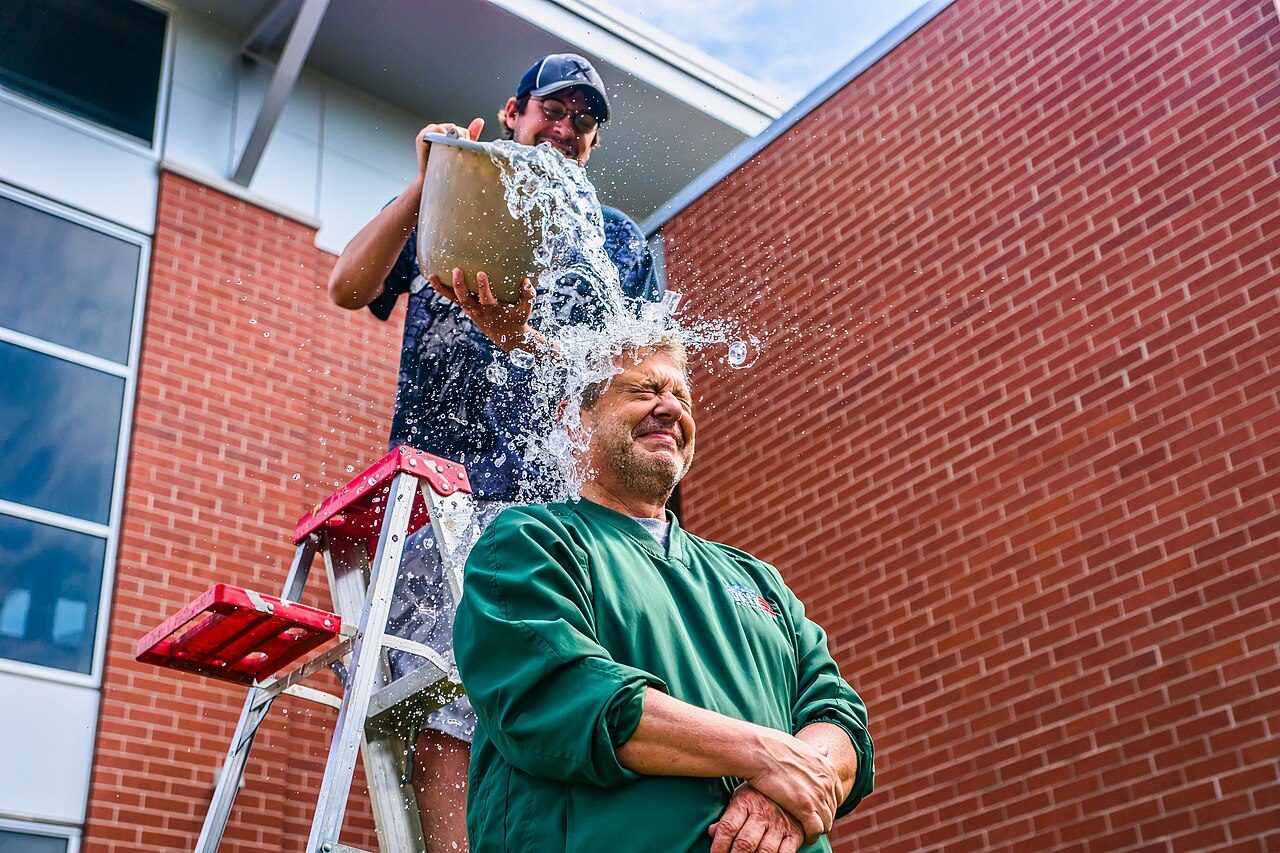
Before it became widely associated with ALS, the ice-bucket format circulated as a flexible charitable challenge. The mechanics were easy to recognize: someone accepted the challenge, recorded themselves having ice water poured over them or pouring it over themselves, nominated other people, and linked the action to a donation.
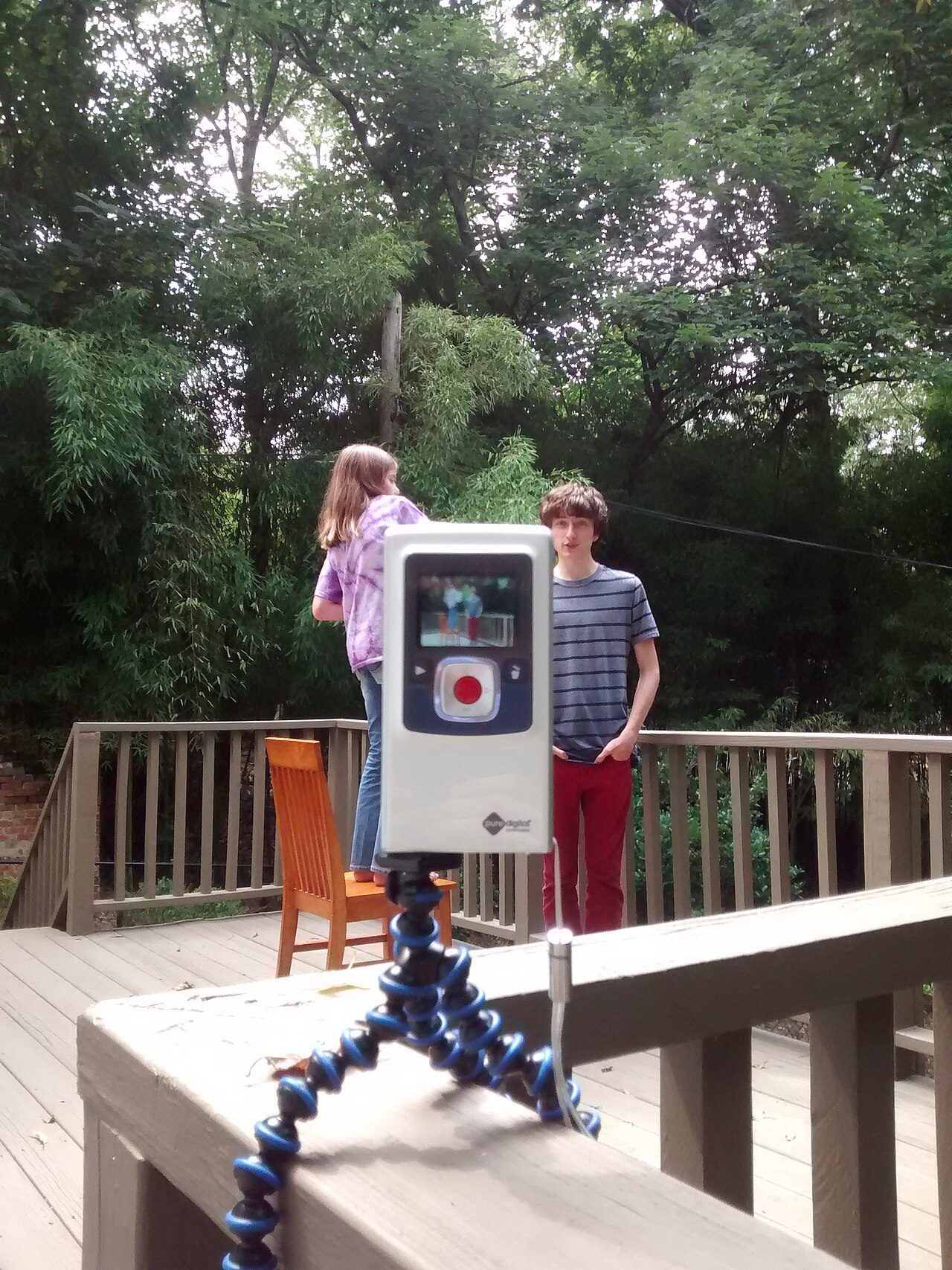
That simplicity allowed the format to travel quickly among different groups. It required no professional production, major resources, or complex explanation. A phone, a bucket, ice water, a social network, and a public invitation were enough. The specific cause had not yet been settled, but the participatory template was ready to be adopted by a community capable of giving it direction.
More information: https://time.com/3136507/als-ice-bucket-challenge-started/
Chris Kennedy links the Ice Bucket Challenge to ALS
In mid-July 2014, the challenge began to become firmly associated with ALS. Golfer Chris Kennedy accepted the challenge and linked it to Anthony Senerchia, who was living with the disease. The nomination reached Jeanette Senerchia and helped transform the charitable action from a generic challenge into one connected to a specific cause.
From there, the chain began to circulate through communities in which ALS was already a close reality. The gesture remained playful and shareable, but it acquired a more precise meaning: raising awareness of a little-known disease and directing donations to organizations devoted to research, care, and support for patients.
More information: https://www.als.org/ibc-how-it-started
The chain spreads through personal networks
Seed phase: trust before reach. During the second half of July, the challenge grew within personal communities connected to Anthony Senerchia, Pat Quinn, Pete Frates, and other families affected by ALS. Participation had not yet reached the scale it would achieve in August, but each video provided visible proof of involvement and expanded the circle of people invited to take part.
A foundation of trust formed during those early days. The videos did not come from a top-down institutional campaign, but from people who knew one another, named each other publicly, and shared a cause that affected them personally. That circulation through personal networks prepared the ground for the phenomenon to move later into much broader audiences.
Nomination turns the public into a distribution channel. The nomination chain was the mechanism that allowed the challenge to reproduce so quickly. Each participant recorded a video, accepted the challenge they had received, and publicly selected new people. The invitation was neither private nor abstract: it was displayed before friends, relatives, colleagues, or followers.
Nomination added social pressure and narrative continuity. Anyone named received a specific task and a short deadline in which to respond. The public could follow the chain, recognize links between participants, and anticipate new responses. In this way, every video functioned both as content and as the starting point for a new series of videos.
More information: https://www.als.org/ibc-how-it-started | https://time.com/3136507/als-ice-bucket-challenge-started/
Pete Frates turns a community into a platform
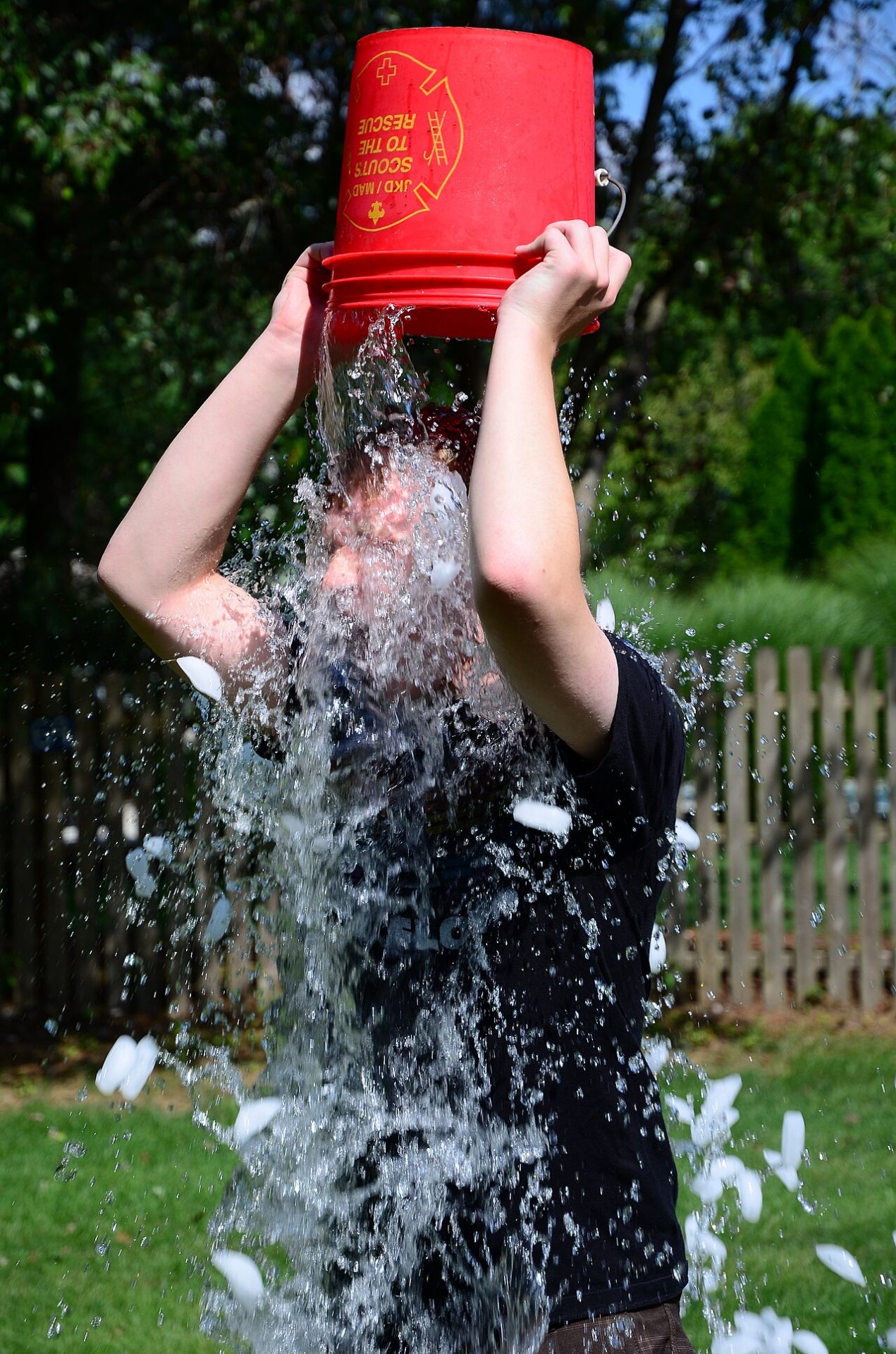
On July 31, 2014, Pete Frates and the people around him propelled the challenge with an energy that connected sport, university life, family, and local media. Frates could not physically perform the challenge in the same way as other participants, but his public presence and the involvement of his community gave the Ice Bucket Challenge a powerful human reference point.
Frates's story circulated in connection with Boston College, baseball, and a support network that had surrounded him since his diagnosis. The ice bucket became a simple way to show solidarity, donate, and name the disease. For many people, their first real encounter with ALS came through that combination of friendship, sport, and shared video.
More information: https://www.als.org/ibc
August 2014: the mechanics that drive virality
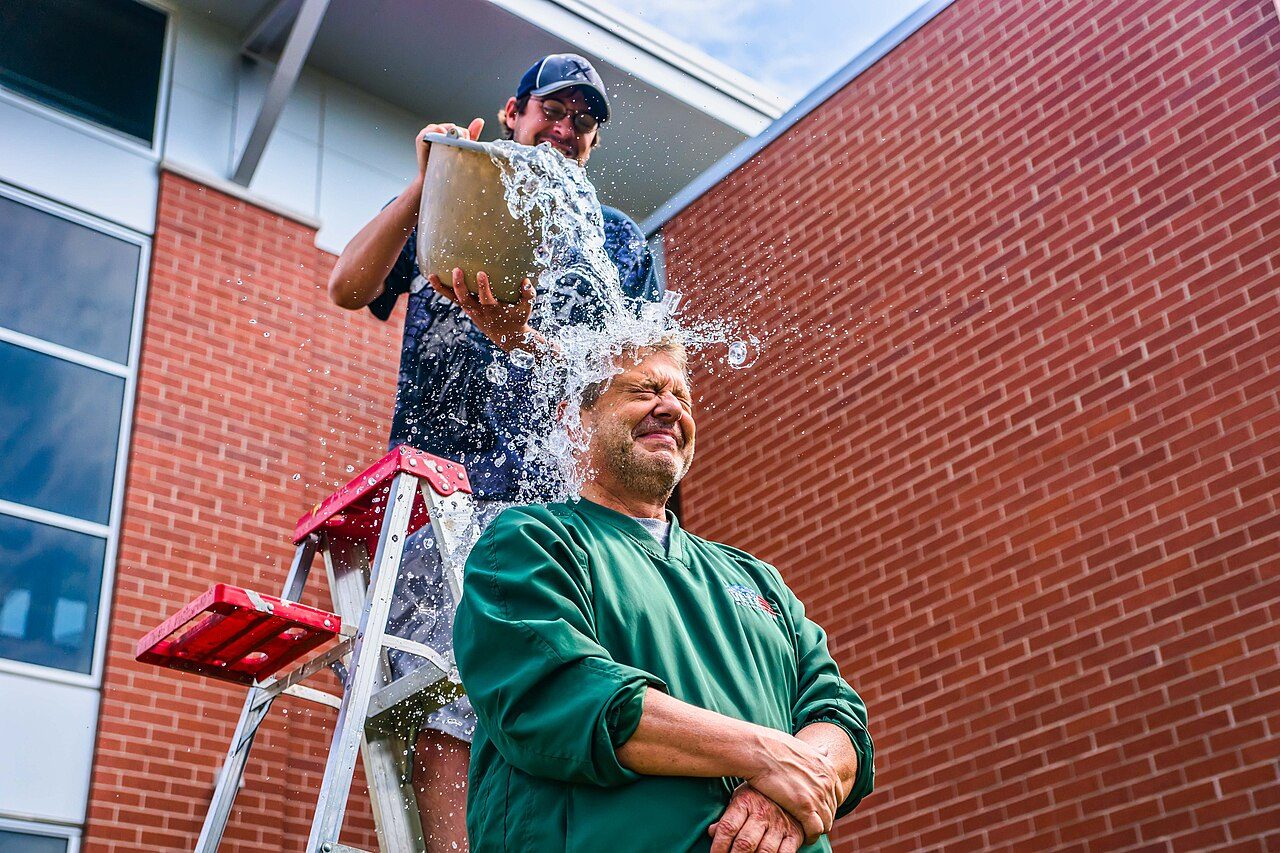
The start of August: the campaign enters expansion mode. In early August 2014, the Ice Bucket Challenge began growing at a pace far beyond that of a local chain. Posts increased on Facebook, YouTube, Twitter, and other social platforms. The format was particularly well suited to short-form video consumption: it was visual, recognizable within the first few seconds, and easy to reproduce.
The expansion preserved an unusual mixture of play, public exposure, and charitable purpose. Participants did more than imitate a gesture: they named other people, mentioned ALS, and, in many cases, added donation links or references to organizations. The campaign thus entered a phase of open multiplication, with thousands of individual versions of the same action.
Period of viral growth: August as a campaign sprint. August 2014 concentrated the worldwide explosion of the Ice Bucket Challenge. During those weeks, videos accumulated from friends, athletes, actors, musicians, business leaders, politicians, teams, universities, companies, and media outlets. The campaign grew through visible repetition: when users opened their social feeds, they encountered the same gesture again and again, reinterpreted by different people.
The volume of participation turned the challenge into an everyday conversation. There were homemade videos recorded in gardens, streets, locker rooms, or offices; more elaborate pieces produced by organizations; celebrity responses; and posts by people explaining their connection to the disease. Fundraising advanced alongside that occupation of social space.
The campaign mechanics: challenge, public proof, and donation. The Ice Bucket Challenge combined three very clear elements: accepting the challenge, publicly showing proof, and connecting the action to a donation. The bucket of ice water made the video recognizable and memorable; nomination created continuity; and the cause gave direction to the attention generated.
The result was an action with instructions that could be understood even without a centralized visual campaign. Anyone watching a video quickly understood what was happening and how to join in. The donation could be integrated into the message, the post description, or links to ALS organizations, allowing the visual gesture and fundraising to travel together.
Video as the smallest unit of contagion. Between August 2 and 15, the short video became the challenge's main vehicle. The scene had a repeatable structure: introduction, acceptance of the challenge, mention of the cause, pouring of ice water, physical reaction, and nomination of new people. That sequence worked equally well in a homemade recording and in a piece produced by a public figure.
The strength of the format lay in the fact that its key moment required no explanation. The impact of the water, the surprise, laughter, or shock made the video easy to watch, share, and comment on. At the same time, every post could add a sentence about ALS or a call to donate, maintaining the link between entertainment and the cause.
The 24-hour rule accelerates the response. The informal rule of responding within 24 hours gave the chain momentum. A person who received a nomination did not face an open-ended invitation, but a small public commitment with a limited time frame. The deadline helped prevent the response from being postponed and kept conversations active from one day to the next.
On social media, that pace produced a sense of constant movement. New videos appeared before the previous ones disappeared from the flow of posts. The urgency also made it easier for nominations to cluster into waves: teammates, families, offices, groups of friends, or local communities responded at almost the same time.
The hashtag organizes a scattered conversation. The hashtag helped organize an enormous and dispersed conversation. #IceBucketChallenge, together with references to ALS and specific organizations, made it possible to group videos, news stories, comments, and responses. In a campaign made up of millions of independent posts, that shared label gave the public a way to recognize the phenomenon.
The hashtag also facilitated media coverage. Journalists could locate examples, measure social activity, and explain the growth of the challenge as a traceable conversation. For ALS organizations, the tags helped connect an avalanche of personal content with information about the disease, donations, and institutional follow-up.
Low barriers to entry multiply participation. The low barrier to entry was one reason participation grew so quickly. The challenge required no special equipment, lengthy preparation, or membership in an organization. A person could join from home, a park, a swimming pool, a university campus, or an office, recording with a mobile phone and posting to their profile.
That accessibility allowed the Ice Bucket Challenge to cross age groups, countries, and levels of public prominence. The same social feed could contain videos by celebrities and videos by neighbors, patients, students, or workers. That proximity between the famous and the everyday reinforced the sense that anyone could participate and add another link to the chain.
Physical discomfort makes commitment visible. The ice water introduced a small amount of physical discomfort that made commitment visible. It was not an extreme test, but it was striking enough to generate reaction, surprise, and a lasting memory. The participant's body was placed at the center of the action: accepting the challenge meant exposing oneself publicly for a few seconds.
That discomfort also opened debate. Some people participated and donated; others only recorded the video; others preferred to donate without pouring water over themselves. The campaign accommodated different forms of involvement, from playful action to testimony by patients and families who reminded audiences that the objective was not spectacle, but funding and awareness for ALS.
More information: https://www.als.org/ibc-how-it-started | https://www.als.org/ibc | https://about.fb.com/news/2014/08/the-ice-bucket-challenge-on-facebook/ | https://time.com/3136507/als-ice-bucket-challenge-started/




August 2014: sport, celebrities, brands, and media amplify the challenge
Sport provides community credibility. Sport supplied a particularly effective amplification network. Around Pete Frates and Boston College, the challenge found teams, former teammates, coaches, fans, and local sports media willing to take part. That community already knew how to mobilize around shared identities, jerseys, fields, locker rooms, and team rituals.
Sports culture fit naturally with the logic of a challenge. Nominating another player, coach, or team felt natural, and the response could be recorded in spaces familiar to the audience. ALS thus entered conversations in which it normally had little everyday presence, from university communities to professional leagues and sports programs.
Celebrity accelerates reach, but does not create the campaign by itself. Celebrity participation accelerated the reach of a campaign that was already alive in personal networks. Actors, musicians, athletes, presenters, business leaders, and political figures accepted nominations and carried the challenge to much larger audiences. Their videos generated media coverage and new chains of responses.
Public prominence added variety to the phenomenon. Each celebrity adapted the scene to their image: some videos were simple, others sought humor, and others incorporated production teams or institutional references. The presence of famous participants increased media noise, but it still relied on the same mechanics used by people without a public profile.
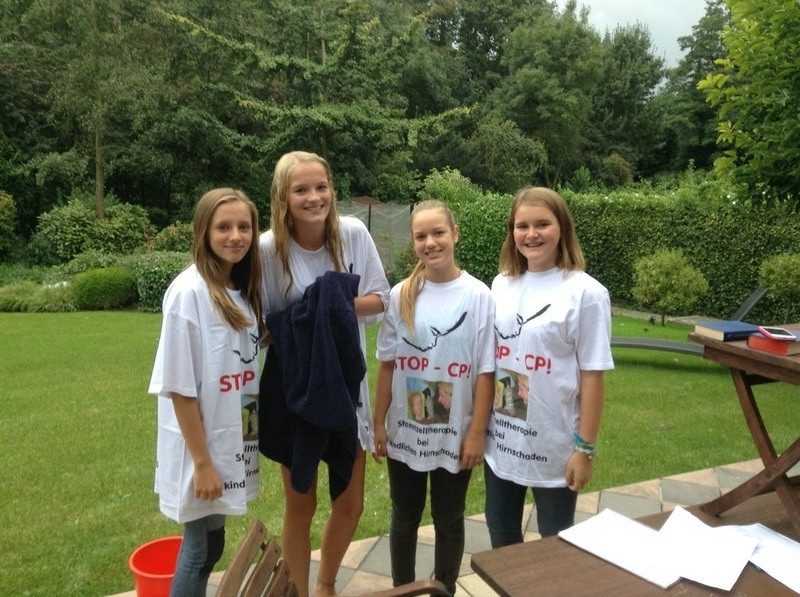
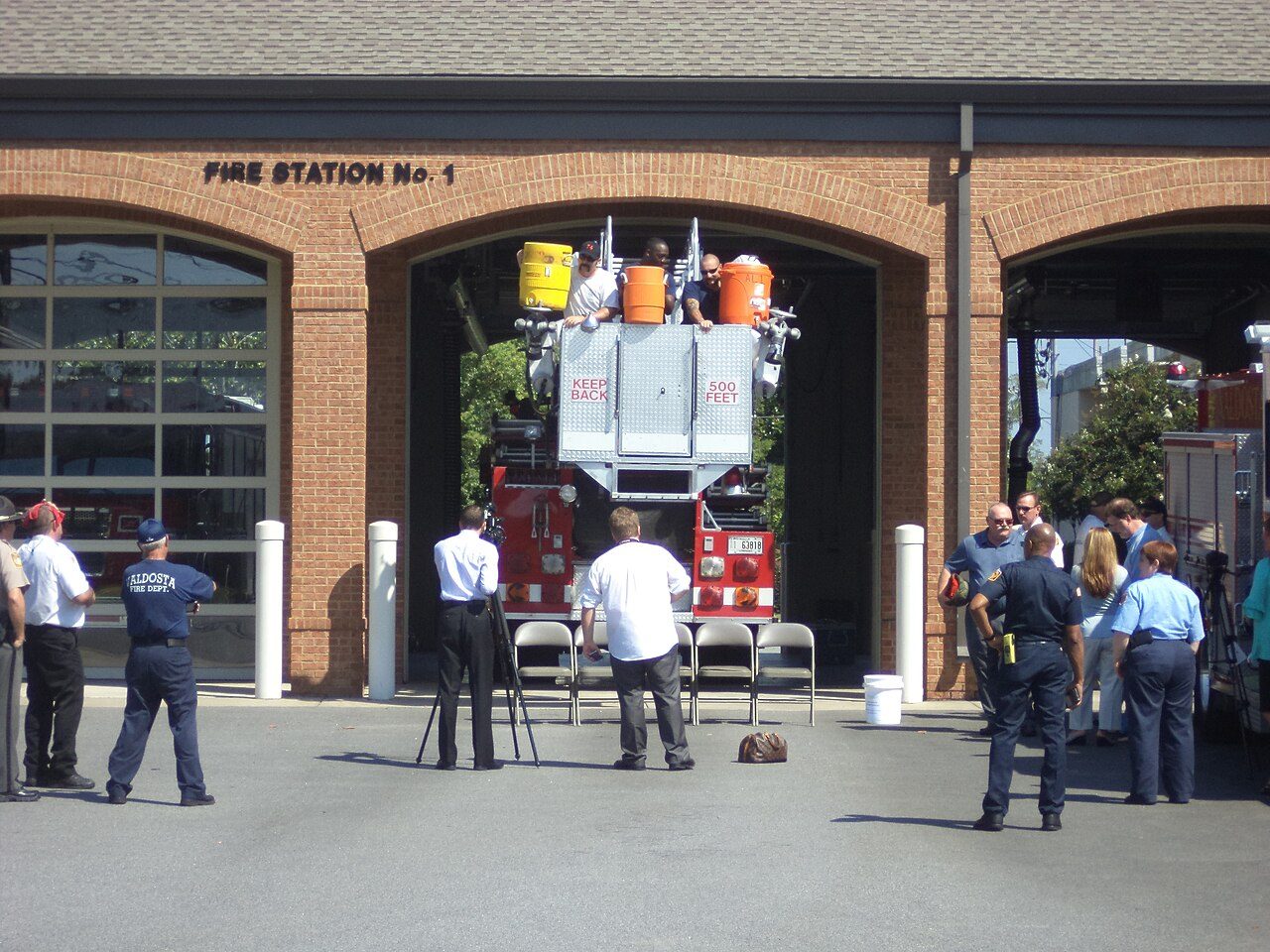
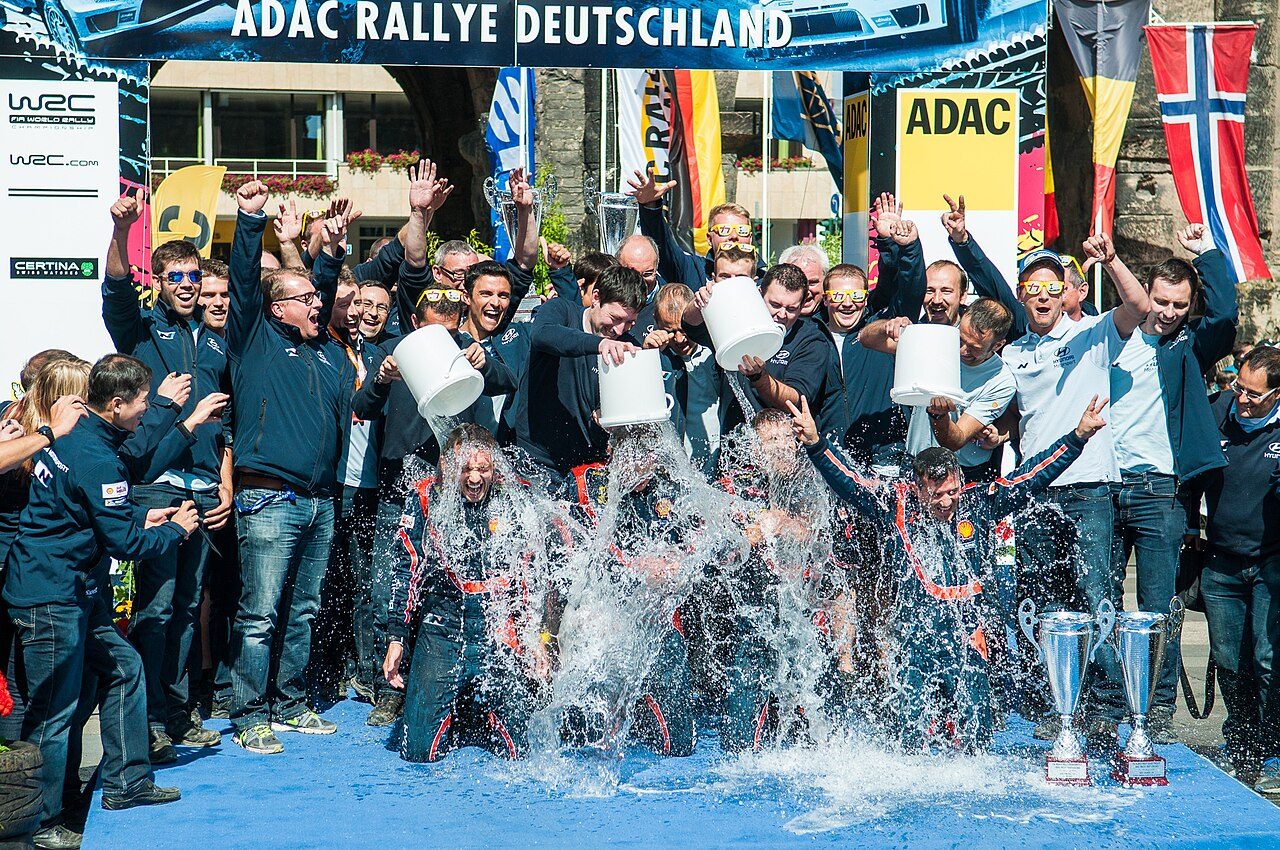
Brands and teams join a conversation that is already underway. Companies, sports teams, universities, and brands joined the challenge once the conversation was already open. Some organizations recorded group videos, nominated other institutions, and used their channels to direct traffic toward donations or information about ALS.
The involvement of organizations expanded the campaign's settings. Offices, stadiums, campuses, studios, and corporate headquarters became places of participation. That institutional presence did not replace the challenge's personal dimension, but it added resources, reach, and public legitimacy, especially when participation was clearly connected to donations.
The media turn virality into news. Traditional media transformed virality into a news story. Television, digital press, radio, and magazines began covering not only individual videos, but the phenomenon as a whole: its origins, figures, celebrities, donations, criticism, and the destination of the funds. That coverage brought the challenge to audiences that were not actively following nomination chains on social media.
Media attention also changed the scale on which the phenomenon was interpreted. The Ice Bucket Challenge began to be presented as a case of digital culture, a charitable campaign, a celebrity phenomenon, and a social movement. The personal stories of patients and relatives received more space in interviews and reports, especially those of Pete Frates, Pat Quinn, and Anthony Senerchia.
Celebrity coverage changes the media agenda. Coverage of famous participants changed the media agenda. Every new appearance by a well-known figure could become a news item, generate headlines, and trigger further nominations. The challenge entered entertainment programs, sports sections, general-interest media, and popular-culture conversations.
That exposure multiplied reach, but also shifted some attention toward who was participating and how they did it. ALS organizations had to make use of that visibility without allowing the disease to be reduced to a parade of famous names. Alongside the most widely discussed videos, stories from patients and donation links continued to circulate.
More information: https://www.als.org/ibc | https://about.fb.com/news/2014/08/the-ice-bucket-challenge-on-facebook/

August 2014: the ALS Association integrates donations, education, and management
The ALS Association moves from recipient to manager of the phenomenon. As videos and donations increased, the ALS Association moved from observing an external phenomenon to managing an unprecedented opportunity. The organization had to receive traffic, process contributions, answer questions, explain the disease, and communicate how the funds would be used while the challenge was still expanding.
The pressure was both operational and communicative. The public wanted to know where to donate, what ALS meant, why the challenge was associated with the disease, and how the money would be used. The organization had to transform an improvised wave of attention into clear information, fundraising infrastructure, and subsequent accountability.
Donation becomes part of a shareable action. Donation was integrated into an action that people wanted to share. The challenge did not merely ask people to transfer money; it proposed a social scene that many wanted to perform, watch, or discuss. That combination helped ensure that financial contributions were not separated from the public conversation.
Very different messages coexisted in the posts: humorous videos, mentions of affected relatives, links to donation pages, campaign tags, and responses to nominations. Fundraising grew because visibility did not end with recognition; it repeatedly directed people toward organizations working with patients, research, and family support.
The educational message competes with entertainment. The growth of the challenge made it necessary to reinforce educational messaging about ALS. For many users, their first contact with the disease came mixed with funny videos, celebrities, and reactions to ice water. Medical information had to find its way through an intensely entertainment-focused environment.
Organizations and affected families used the attention to explain symptoms, progression, research needs, and the difficulties of care. In many videos and posts, the initial laughter gave way to a serious mention: the disease was devastating, little known, and in need of greater funding for research and patient support.
The donation page becomes critical infrastructure. The donation page and systems for receiving funds became critical infrastructure. Virality generated immediate traffic: people who had just watched or recorded a video looked for somewhere to contribute, which organization should receive the donation, and how to complete the process without friction.
The ALS Association and other organizations connected to the disease had to sustain an extraordinary volume of public interest. The campaign depended not only on the emotion of the moment, but also on the path from video to donation working properly. Forms, confirmation messages, information on the use of funds, and donor support became central parts of the phenomenon.
More information: https://www.als.org/ibc
TIME publishes the first figures showing the scale of the challenge on Facebook
On August 15, 2014, TIME published the first data that made it possible to measure the expansion of the Ice Bucket Challenge on Facebook. According to the information available at the time, the number of videos related to the challenge had doubled in five days, and diffusion was concentrated particularly around Boston, Pete Frates's network, and the nomination chains.
The date refers to the publication of those figures, not to the moment when the campaign began to grow. The importance of the milestone lies in the fact that virality was no longer described only through examples; it began to be quantified through videos, connections between participants, and social reach.
More information: https://time.com/3117501/als-ice-bucket-challenge-videos-on-facebook/

Second half of August: mass attention becomes a conversation about ALS
Mass attention forces the story to be simplified. With mass attention came the need to simplify the story. ALS is a complex disease, with medical, family, financial, and scientific dimensions that are difficult to summarize in a short post. The challenge, by contrast, circulated in videos lasting only seconds. Communication had to connect those two time scales without losing accuracy.
Organizations tended to concentrate the message on a few elements: what ALS is, why research is needed, where to donate, and how funds could support patients and scientists. The full explanation was left for websites, interviews, reports, and educational materials; the social video opened the door and directed part of the audience toward those resources.
The social peak multiplies the value of public proof. At the height of the challenge, public proof acquired additional value. Accepting the Ice Bucket Challenge meant taking part in a visible and recognizable conversation, but also placing oneself within a chain of nominated people. The gesture had an audience waiting for it and commenting on it.
During those days, social pressure did not come only from celebrities or the media. It came from friends, relatives, colleagues, and direct contacts. Each video reinforced the sense that the challenge was happening everywhere. For ALS, that simultaneous presence in so many settings turned a rare disease into a common topic of conversation for several weeks.
The campaign becomes a cross-cutting social conversation. By late August, the Ice Bucket Challenge had become a conversation spanning very different sections of society. It appeared in personal networks, television, newspapers, university campuses, companies, stadiums, and public events. The same gesture was reinterpreted by ordinary people, celebrities, professional teams, families, and organizations.
That breadth produced an unusual mixture: humor, physical discomfort, affection, social pressure, fundraising, and neurodegenerative disease within a single shareable action. The challenge no longer belonged to a specific community; it circulated among audiences that did not share an age, country, language, profession, or previous relationship with ALS.
The public conversation increases awareness of ALS. Public discussion increased awareness of ALS in a very short time. People who had never heard of the disease began encountering explanations in videos, interviews, donation pages, reports, and family testimonies. The challenge brought a little-visible condition into everyday spaces of conversation.
That rise in awareness did not resolve the medical complexity, but it changed the starting point. For many affected families, seeing a disease that was difficult to explain appear in media and social networks had an important emotional effect. They no longer always had to begin from zero when explaining what ALS was and why it needed more research.
More information: https://www.als.org/ibc | https://about.fb.com/news/2014/08/the-ice-bucket-challenge-on-facebook/


August-September 2014: debates over saturation, slacktivism, and water use
Saturation becomes a campaign risk. Saturation emerged as a natural risk for a campaign repeated so frequently. For several weeks, many users encountered challenge videos constantly in their feeds. What initially felt novel could begin to be perceived as excessive, a social obligation, or a gesture focused more on being seen than on donating.
The criticism did not stop the phenomenon, but it became part of its public reception. Some people questioned whether all participants donated, whether the disease was explained in sufficient depth, or whether virality was taking up more space than medical information. The campaign continued to advance while those debates coexisted with fundraising and increased public awareness.
The debate over slacktivism enters the scene. Discussion of slacktivism quickly became part of the conversation. The term was used to criticize digital actions that allow people to display public support with little real effort. In the case of the Ice Bucket Challenge, the question was whether recording a video amounted to commitment or merely provided an easy way to join a social trend.
The reality was more ambiguous than the criticism. There were videos without donations, videos accompanied by donations, donations without videos, patient testimonies, corporate actions, local campaigns, and very substantial contributions. The debate over slacktivism accompanied both genuine fundraising and a level of visibility that many ALS organizations had never achieved before.
Criticism over water use shows the importance of context. Criticism of water use appeared especially in places affected by drought or environmental concern. For some people, seeing thousands of videos involving buckets of water was uncomfortable, even when the intention was charitable. In some cases, participants and organizations proposed alternatives: reusing water, donating without making a video, or adapting the gesture to local conditions.
The discussion showed that a global campaign is not interpreted in the same way in every territory. A symbolic gesture may work in one country and be problematic in another. The Ice Bucket Challenge continued to circulate, but it incorporated variations and responses to criticism that concerned not the medical cause, but the public form of participation.
More information: https://www.nature.com/articles/550S113a

Facebook publishes its analysis of how the challenge spread
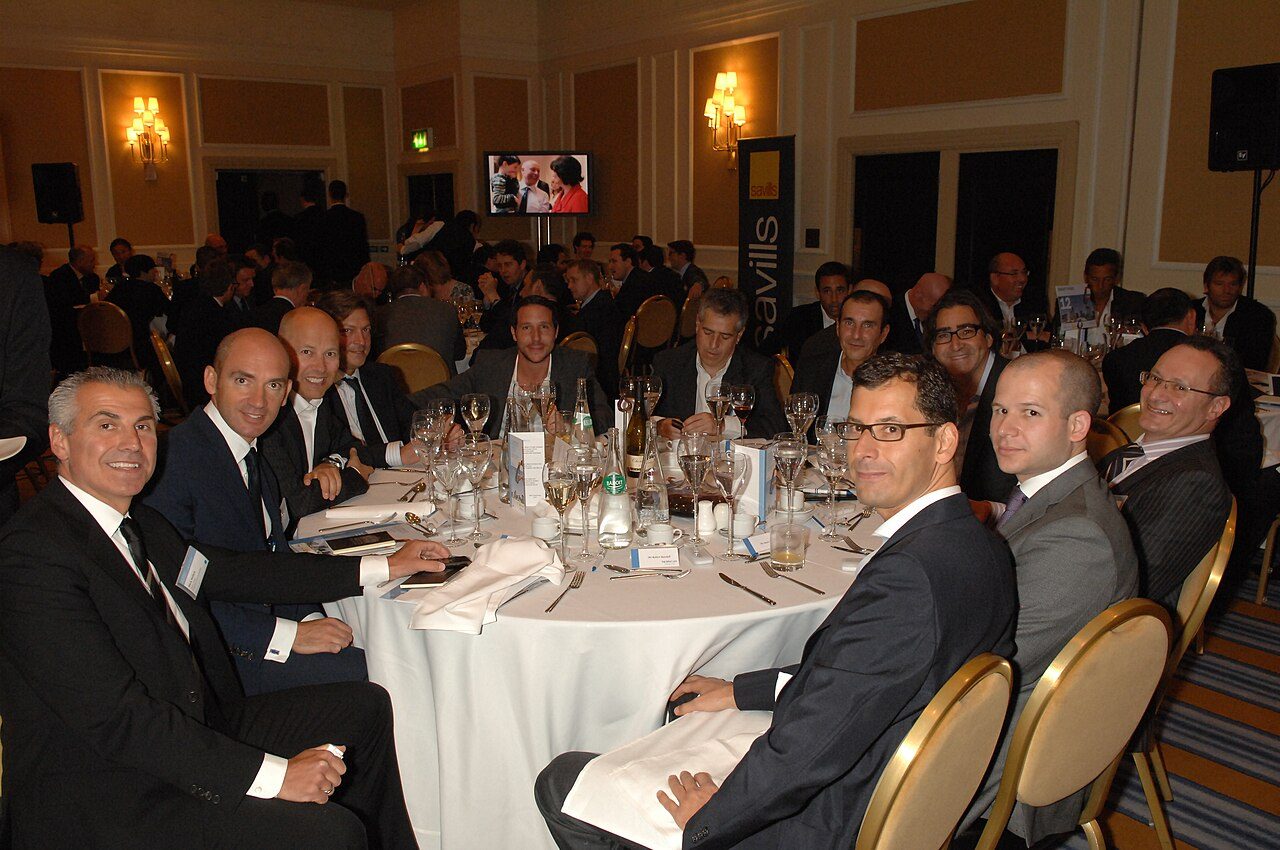
On August 18, 2014, Facebook published an analysis of the activity generated by the Ice Bucket Challenge between June 1 and August 17. The platform counted 2.4 million videos related to the challenge and more than 28 million people who had posted, commented on, or liked campaign content.
The analysis also showed a pattern of diffusion initially centered on Boston and later spreading to numerous countries. The date refers to the publication of Facebook's report and provides a precise documentary milestone within a campaign that had already been growing for weeks.
More information: https://about.fb.com/news/2014/08/the-ice-bucket-challenge-on-facebook/

Late August to December: from virality to managing the funds
The organization must explain what it will do with the money. When donations reached exceptional levels, the organization had to explain in detail what it would do with the money. The ALS Association published funding commitments, investment areas, and updates on research, care, and support for affected communities.
Accountability was necessary because the campaign had attracted many new donors, some with no previous connection to the disease or the organization. Public attention did not end when the funds were received. It also generated questions about priorities, timelines, funded projects, and results that could be communicated clearly in the years that followed.
The end of August: the campaign leaves reusable assets. By the end of August, the campaign had produced a large collection of reusable assets: videos, testimonies, news coverage, donor databases, media contacts, participation data, educational materials, and personal stories. The phenomenon could no longer be managed merely as a summer trend.
A different phase began for ALS organizations. They had to express thanks, organize information, explain how the funds would be used, maintain relationships with new donors, and turn temporary attention into sustained projects. The challenge had opened doors that required follow-up long after the volume of videos declined.
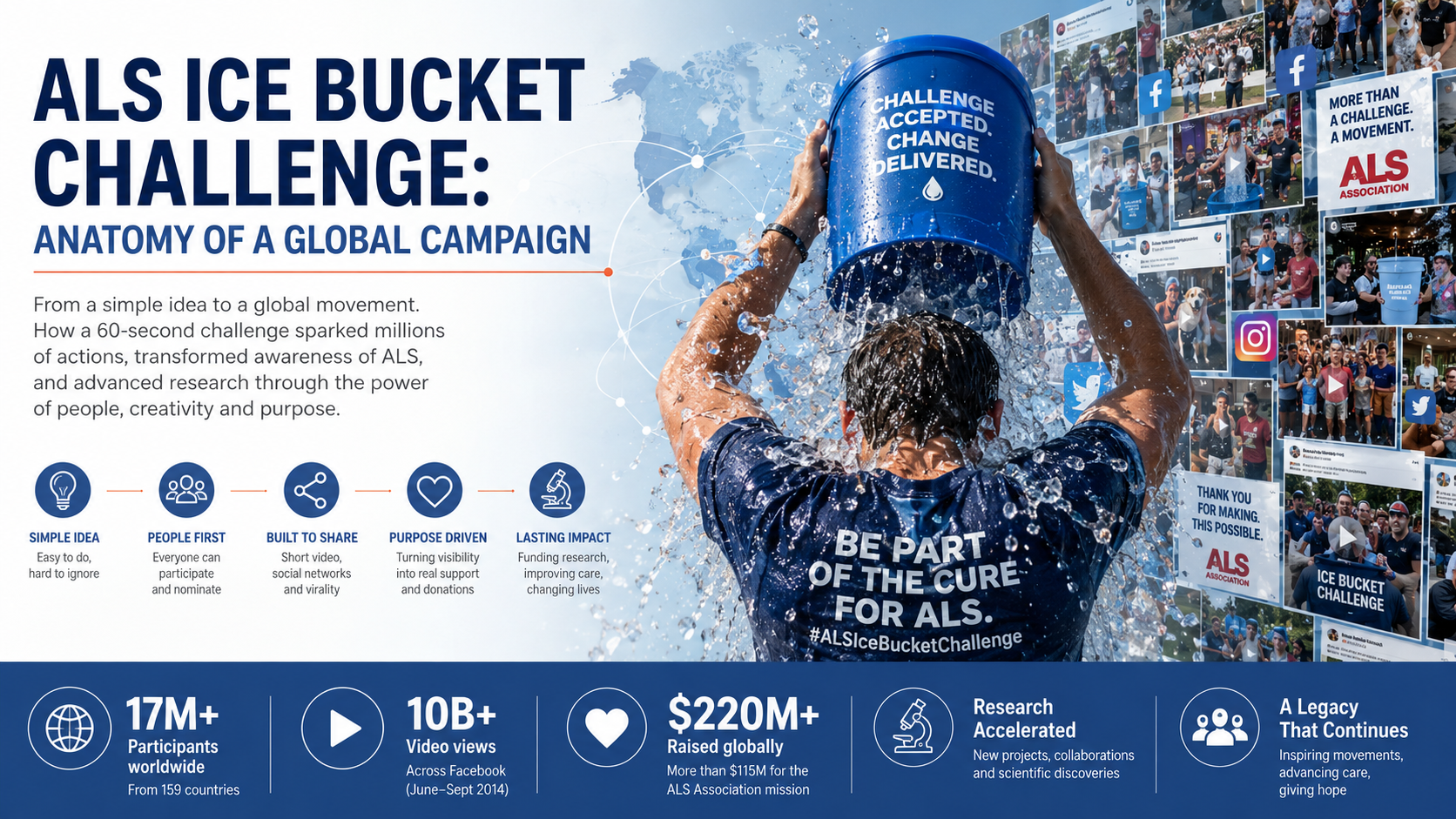
The global total requires beneficiaries and territories to be distinguished. The global amount of money raised made it necessary to distinguish among organizations, territories, and uses. The ALS Association raised $115 million for its mission, but the international movement also generated resources for other ALS organizations in different countries. Each organization had to communicate its own figures and commitments.
That distinction mattered because the campaign was experienced as a worldwide phenomenon, but donations were not centralized in a single institution. Patients, donors, and media needed to know what portion was allocated to research, care, local support, educational programs, or scientific collaboration in each territory.
The attention curve falls and retention work begins. By mid-September, the attention curve began to decline. Most users had already seen numerous videos, many nomination chains had run their course, and the media were beginning to move on to other topics. The phase of novelty was ending.
For organizations, that decline opened another task: maintaining relationships with first-time donors, keeping patients and families informed, and explaining how the funds received would be transformed into specific projects. The campaign was no longer dependent on the immediate social-media flow and entered a prolonged management phase.
From viral wave to project portfolio. Between October and December 2014, the money raised began to be organized into a portfolio of projects. The ALS Association allocated commitments to research, care for people with ALS, public policy, community programs, and scientific collaboration. The scale of the funding made it possible to support initiatives that would have been difficult to advance through ordinary budgets.
The organization had to combine speed with caution. There was public pressure to see results, but biomedical research and care programs require planning, calls for proposals, review, implementation, and monitoring. The Ice Bucket Challenge ceased to be only a summer campaign and began to become a source of multi-year funding.
More information: https://www.als.org/IBC/commitments | https://www.als.org/ibc


Fundraising surpasses $100 million
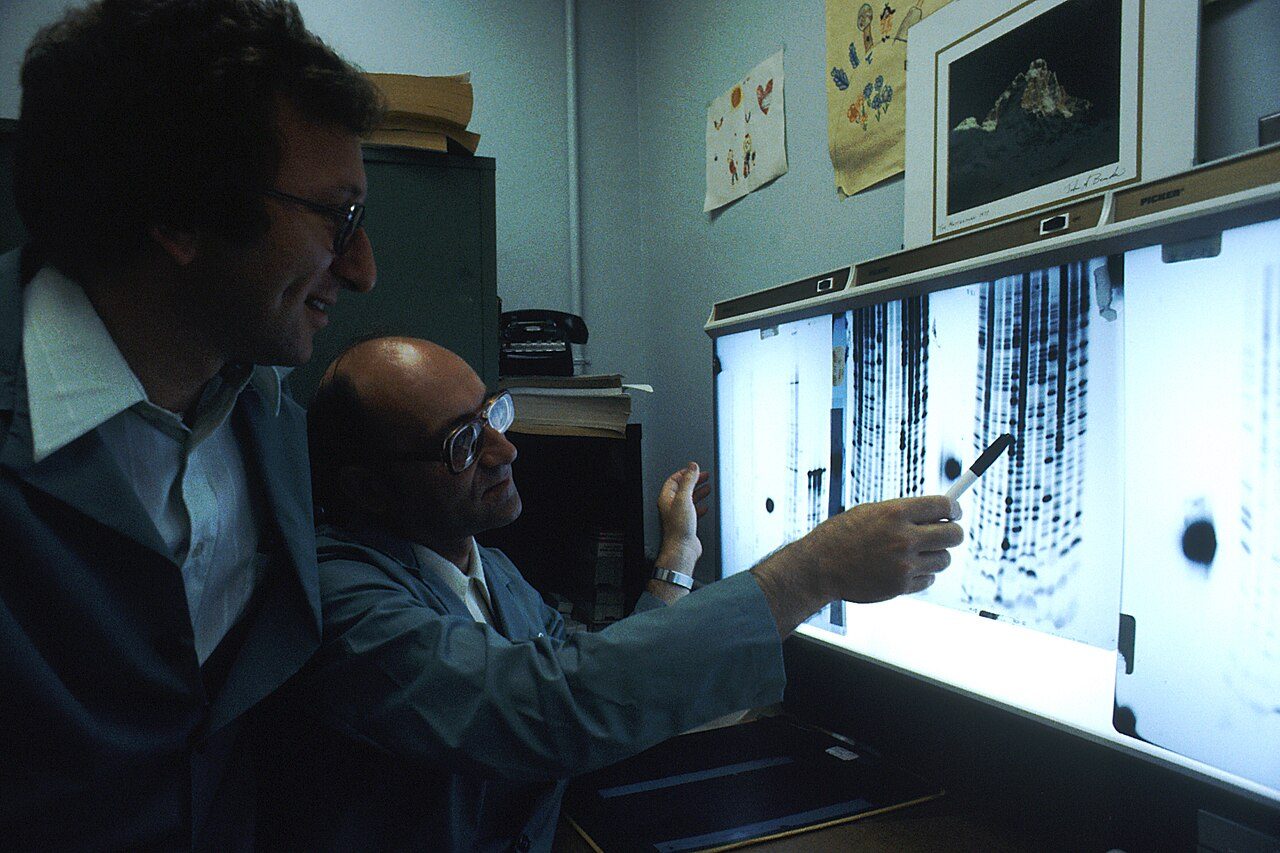
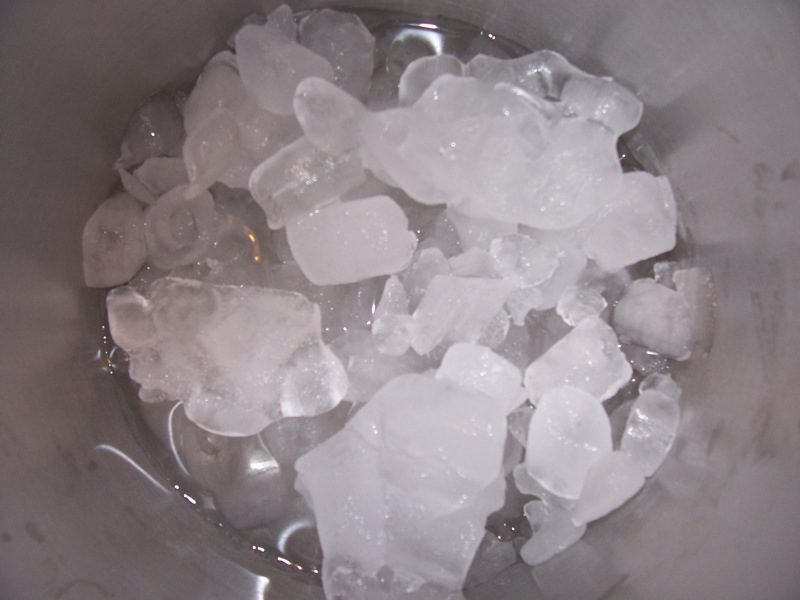
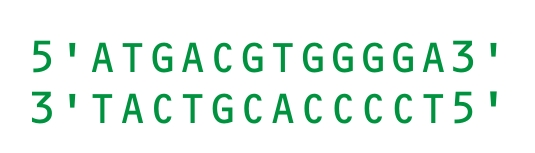
On August 29, 2014, donations received by the ALS Association since late July surpassed $100 million, contributed by more than three million donors. The figure showed that social visibility was being converted into financial contributions on an extraordinary scale.
The final amount received by the organization during the 2014 campaign would reach $115 million. That volume changed the possibilities for investment in research, care, assistive technology, scientific collaboration, and community support.
More information: https://time.com/3222224/als-ice-bucket-challenge-donations-million/

Facebook updates the total: 17 million videos
On September 7, 2014, Facebook updated its Ice Bucket Challenge figures with cumulative data from June 1 through September 1: more than 17 million shared videos, over 10 billion views, and a reach of more than 440 million people.
The date refers to the publication of the update. The measured period ended on September 1, but it would be incorrect to date the milestone to that day as though the platform had published the figures then.
More information: https://about.fb.com/news/2014/08/the-ice-bucket-challenge-on-facebook/


The campaign becomes a social-brand asset
During 2015, the Ice Bucket Challenge remained an asset in the public memory of ALS. Although the viral explosion of August 2014 could not be repeated with the same intensity, the symbol of the ice bucket was still recognizable and made it possible to reopen conversations about the disease.
Organizations used that memory to update donors, promote new actions, remember the people who had driven the challenge, and communicate progress in funded programs. The challenge had created a simple image that could reappear in campaigns, anniversaries, reports, and institutional messages without having to explain the entire phenomenon again.
More information: https://www.als.org/ibc
August 2015: an annual relaunch supported by sport
Annual relaunch: repeating the campaign without depending on novelty. In August 2015, an annual relaunch of the Ice Bucket Challenge was promoted. The aim was not to reproduce exactly the surprise of the previous year, but to use the challenge's public recognition to sustain fundraising, conversation, and support for ALS.
The relaunch relied on figures and communities that had already participated. References to Pete Frates, Pat Quinn, and other activists returned, alongside calls to continue funding research and care. The challenge became tied to the calendar as an action that could be repeated, even though its social energy was no longer the same as in 2014.
Sport returns as an organized amplifier. Sport once again acted as an organized amplifier in continuity actions. Teams, former players, university campuses, and sports communities maintained a close relationship with the campaign, especially because of Pete Frates's connection with Boston College baseball.
Sports participation offered easily recognizable collective scenes: uniformed groups, training sessions, fields, locker rooms, and challenges between teams. It also maintained the emotional link with Frates, whose story remained a reference point for many people who had first learned about ALS through the Ice Bucket Challenge.
More information: https://www.als.org/blog/als-ice-bucket-challenge-back-and-we-are-going-strike-out-als
Project MinE connects the campaign with collaborative science
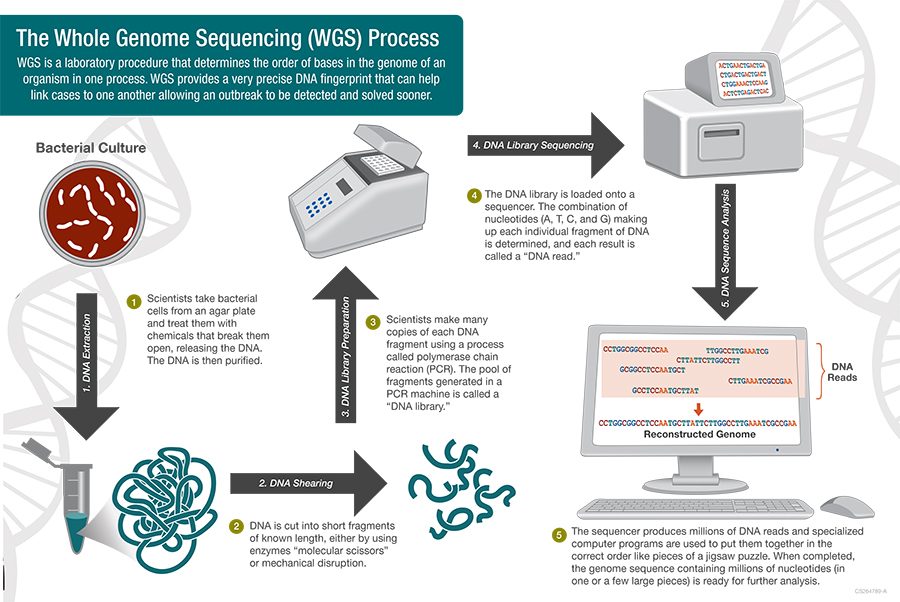
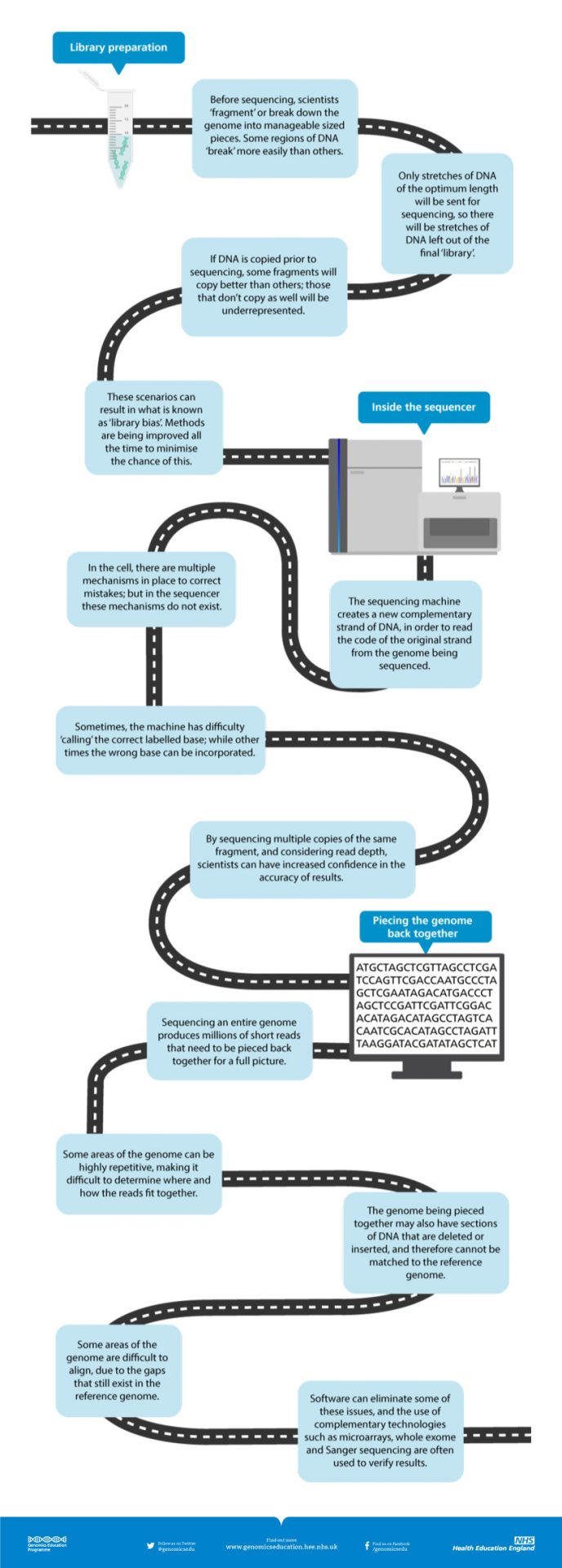
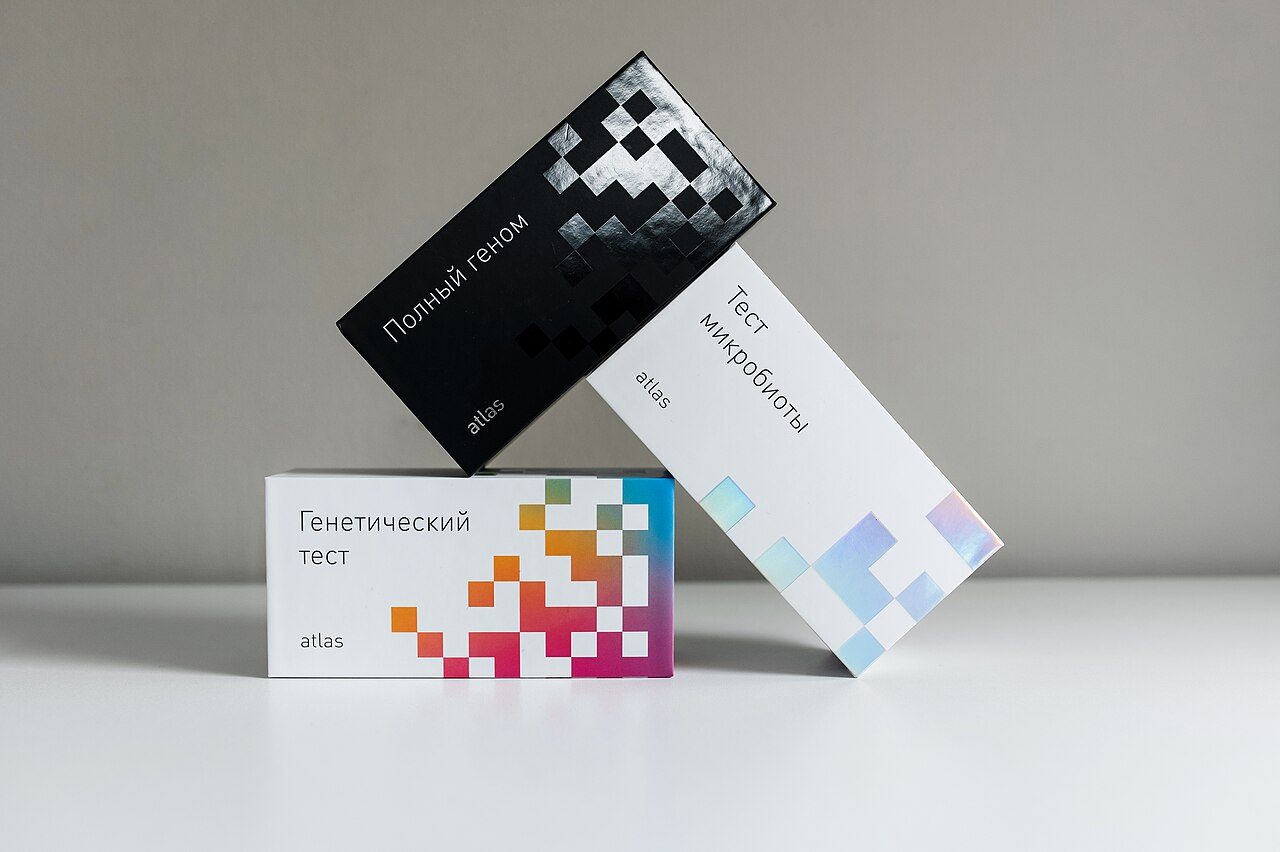
In 2016, Project MinE entered the public conversation as one of the scientific projects associated with funds generated by the Ice Bucket Challenge. The international initiative sought to analyze genetic data from thousands of people with ALS and control participants in order to identify variants related to the disease.
The connection between campaign and science was neither immediate nor simple. Donations helped fund teams, data, international collaboration, and analytical capacity. Project MinE offered an understandable example of how fundraising born on social media could be integrated into complex biomedical research, with methods and time frames very different from those of virality.
More information: https://www.als.org/blog/breaking-research-news-largest-ever-study-inherited-als-identifies-new-als-gene-nek1

NEK1 provides a clear story of scientific results
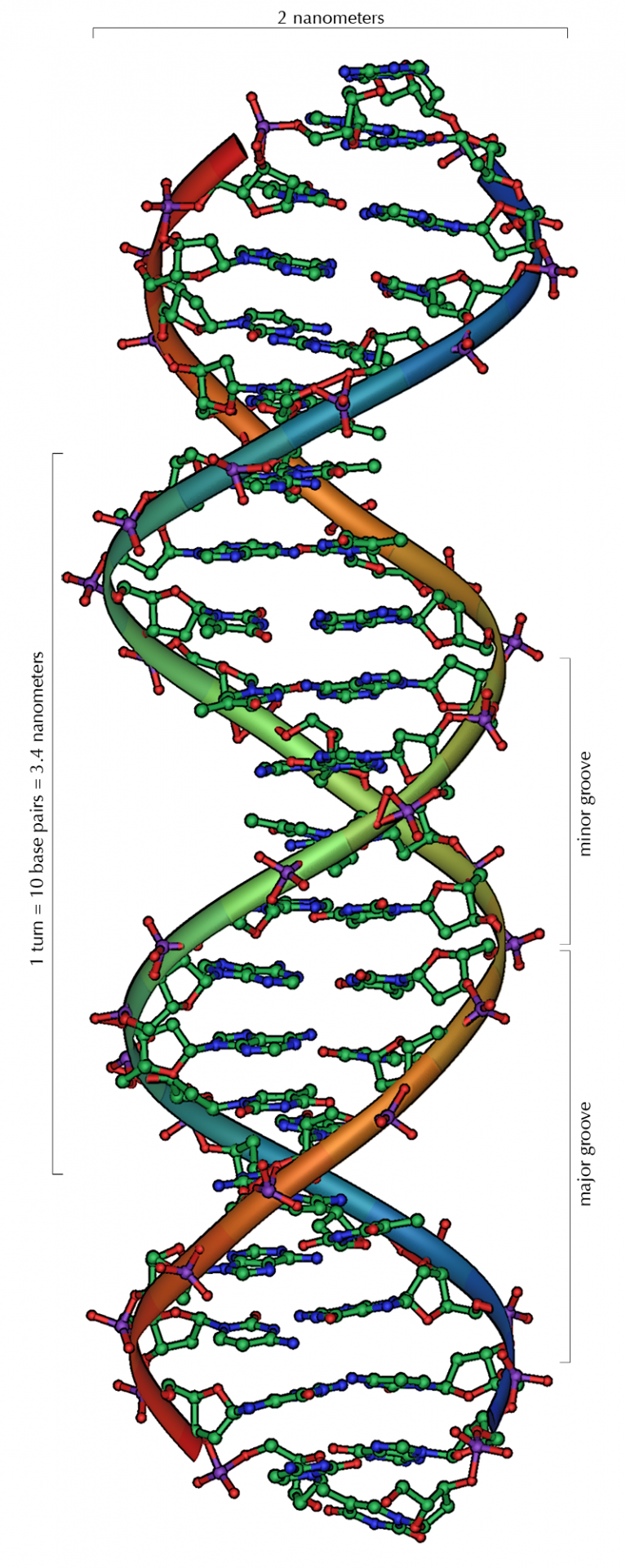
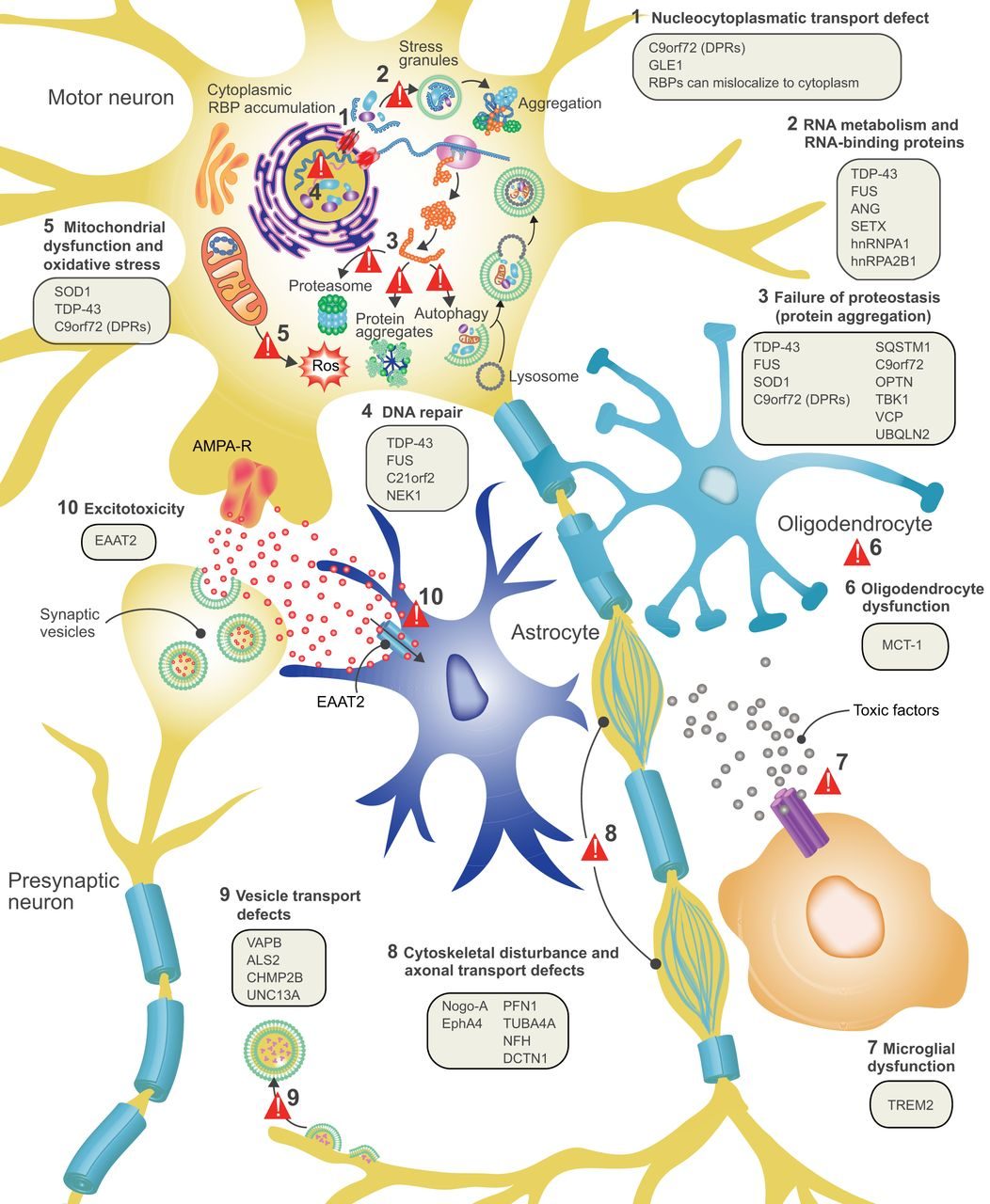
In July 2016, researchers connected to Project MinE and other collaborations identified NEK1 as a gene associated with an increased risk of ALS. The ALS Association communicated the finding as a significant result within the scientific effort funded in part by Ice Bucket Challenge proceeds.
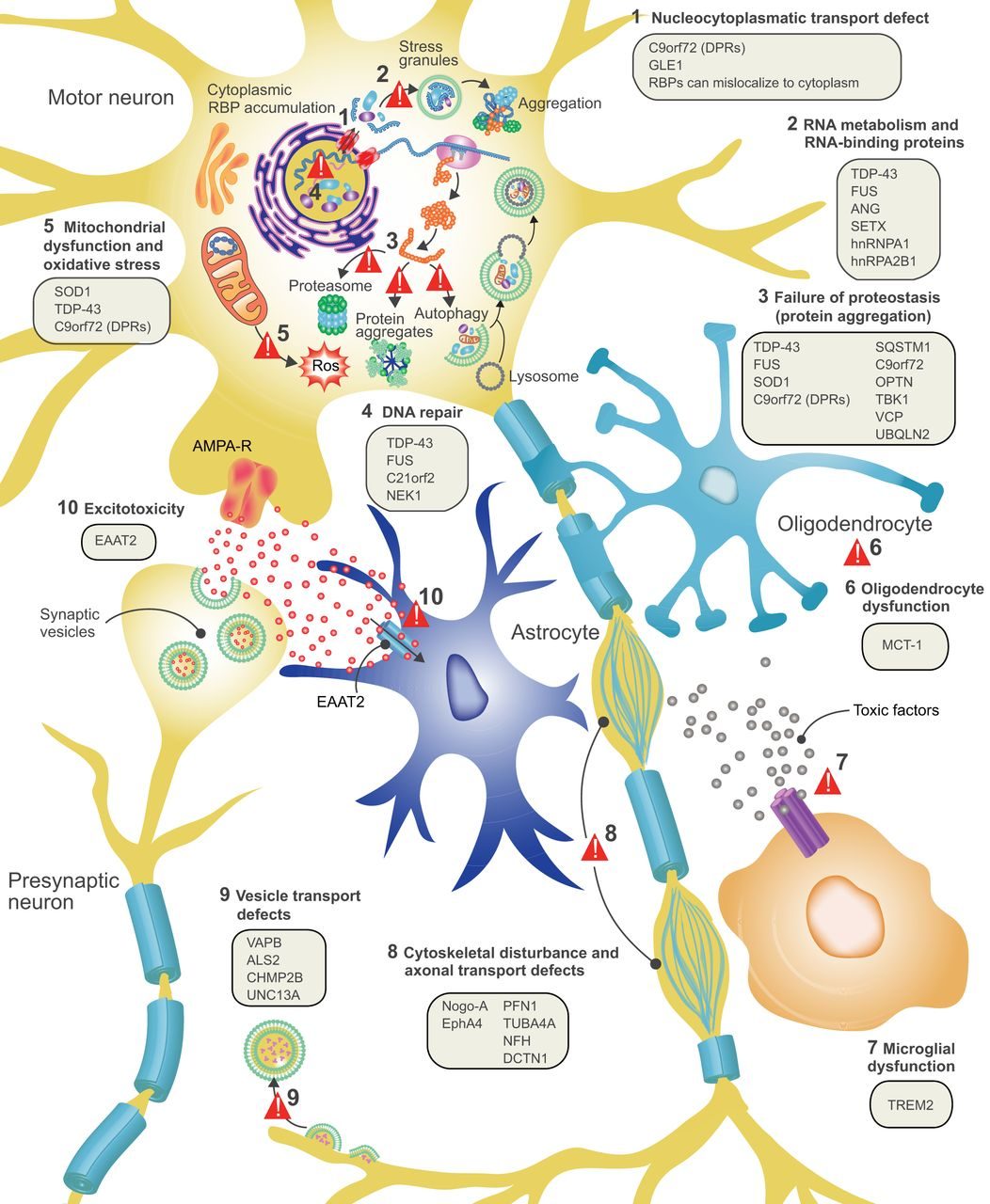
NEK1 did not represent a cure or a single explanation for the disease. ALS is heterogeneous and may have both genetic and non-genetic causes. Even so, the finding helped show that the funds could contribute to expanding knowledge of disease mechanisms, guiding new research questions, and strengthening international scientific networks.
More information: https://www.als.org/blog/breaking-research-news-largest-ever-study-inherited-als-identifies-new-als-gene-nek1

The media translate research into public memory
The media translated the NEK1 research into a more understandable public story. After months of videos and fundraising, the finding made it possible to describe a specific scientific consequence without claiming that the campaign had solved the disease. The news appeared in general-interest and scientific media as an example of subsequent impact.
That coverage helped connect two very different time scales: the fast, highly visible summer of 2014 and the slow, cumulative process of genetic research. For the public, NEK1 offered a way to understand that funding could support partial discoveries, collaborations, and new lines of investigation.
More information: https://www.theguardian.com/society/2016/jul/26/ice-bucket-challenge-als-charity-gene-discovery

Sustained investment replaces the one-off impact
During 2017, the story of the Ice Bucket Challenge shifted toward sustained investment. The campaign no longer appeared daily on social media, but the funds continued to finance research, services, registries, and programs. The ALS Association and other organizations communicated commitments and progress in a more institutional manner.
The work that followed was less visible than the videos, but more closely connected to the needs of patients and scientists. Grants, collaborative projects, community care, and data tools required continuous monitoring. The campaign remained present as the source of extraordinary resources, even though the public no longer saw it with the intensity of 2014.
More information: https://www.als.org/IBC/commitments
$94 million committed: cumulative accountability
In January 2018, the ALS Association reported that more than $94 million had been committed since 2014 from Ice Bucket Challenge funds. The update detailed investments in research, care, public policy, and other programs connected to the organization's mission.
That figure made it possible to assess the phenomenon from a greater distance. The campaign did not end with the initial fundraising: much of the money was progressively allocated to projects, with later communications on progress and commitments. For donors and affected communities, those reports provided a way to follow the money beyond the viral moment.
More information: https://www.als.org/blog/als-ice-bucket-challenge-year-end-update-over-94-million-commitments-2014
Genetic discoveries broaden the story of impact
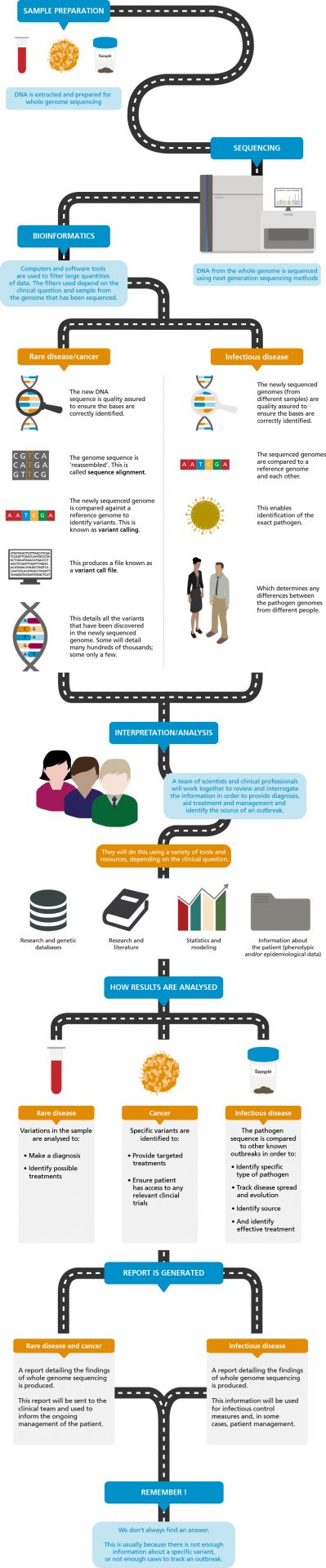
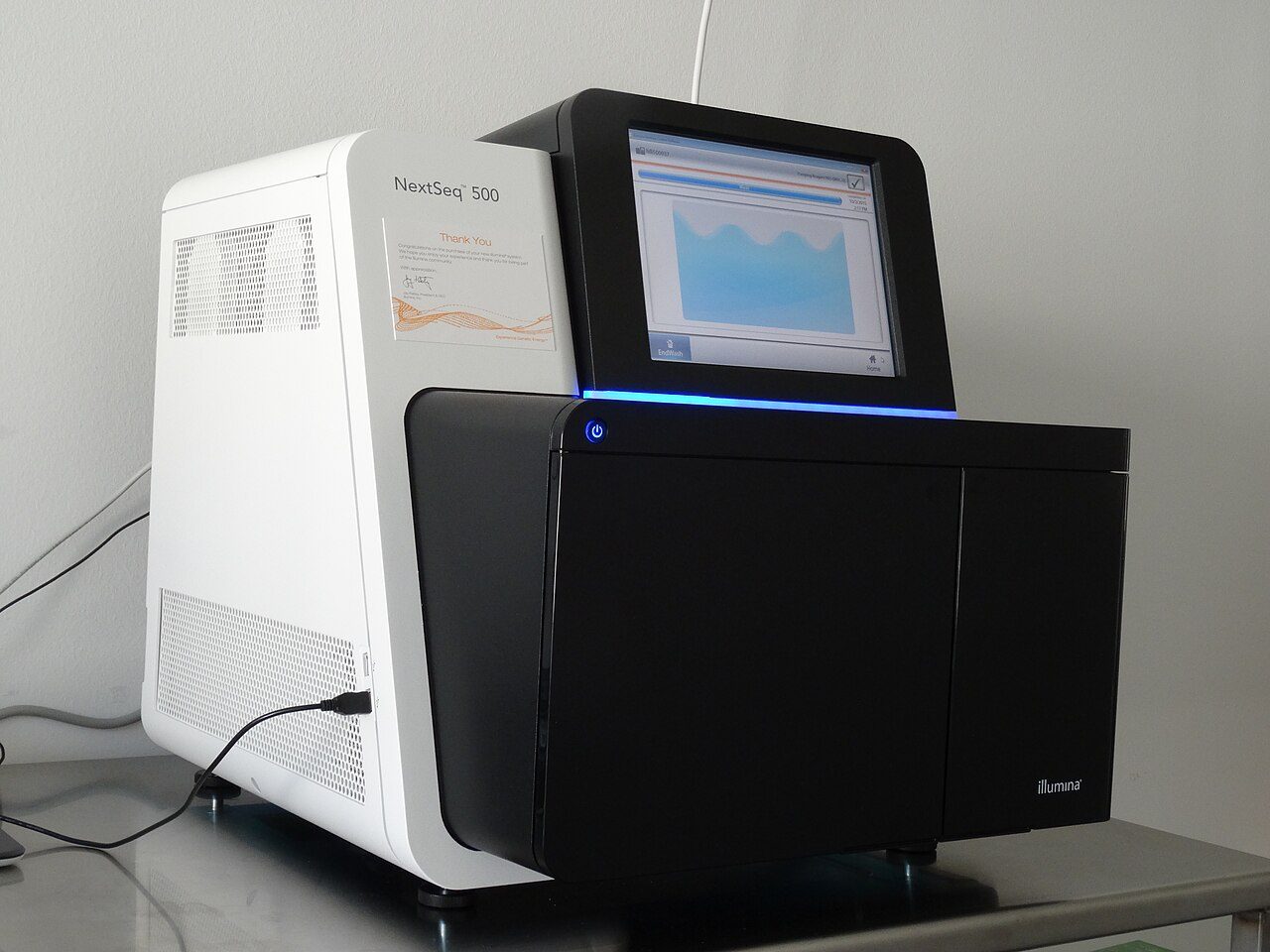
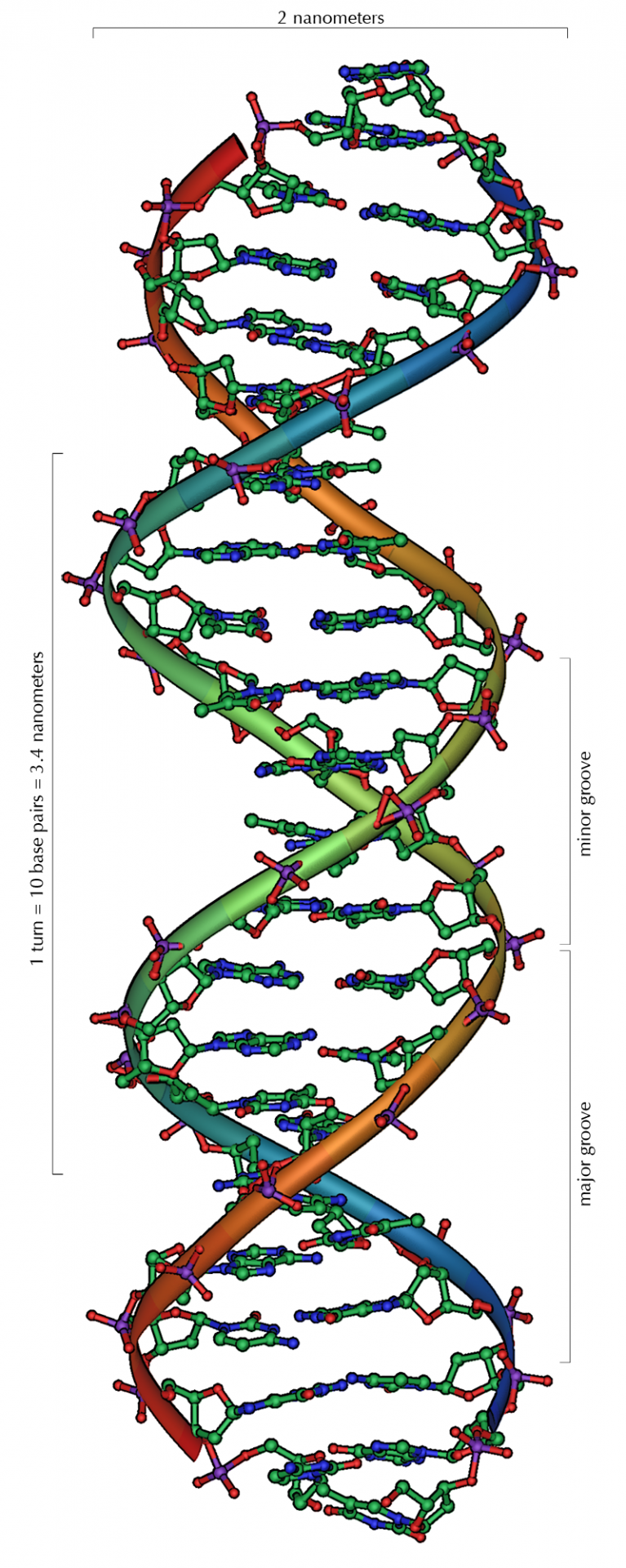
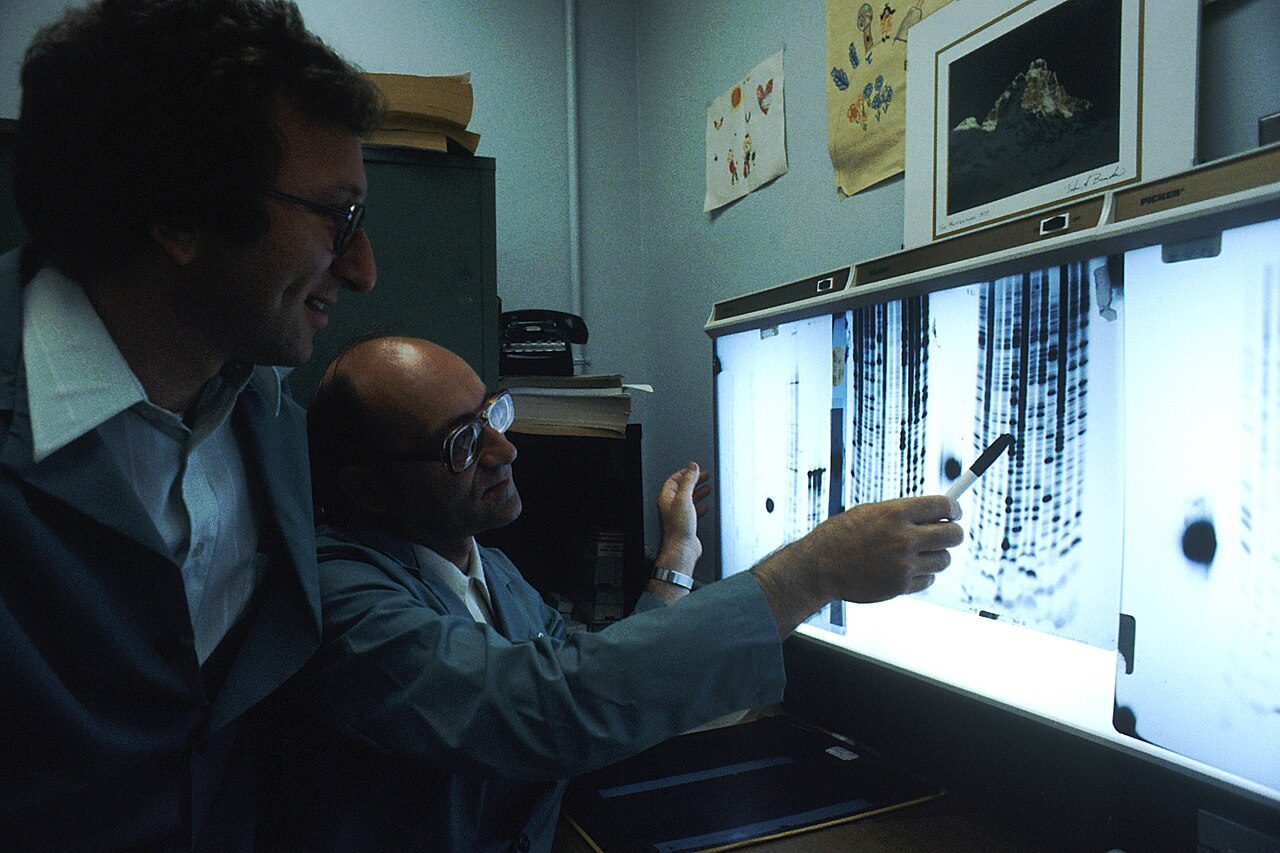
In 2018, the ALS Association reported that Ice Bucket Challenge funds had helped stimulate genetic discoveries related to ALS. Alongside NEK1, the organization placed the funding within a broader research ecosystem involving collaborations, databases, and sequencing projects.
Genetics offered a route toward classifying the disease more accurately and identifying specific mechanisms. Not all cases of ALS are inherited, and not all have the same molecular explanation, but expanding the genetic map made it possible to formulate better questions, identify subgroups, and open future possibilities for more targeted therapies.
More information: https://www.als.org/blog/how-als-ice-bucket-challenge-has-helped-spur-gene-discoveries

“Finish what was started”: continuity as the message
In 2019, the “Finish what was started” campaign revived the memory of the Ice Bucket Challenge with a message of continuity. The aim was to remind the public that the viral wave had funded progress and programs, but that the disease still had no cure and continued to require sustained resources.
The phrase appealed directly to those who had taken part in 2014 or had learned about the cause through the challenge. The ice bucket no longer appeared only as a symbol of a past phenomenon, but as a reminder of unfinished work: maintaining support, research, patient care, and the public visibility of ALS.
More information: https://www.als.org/blog/challenge-me-finish-what-was-started

Pete Frates’s death restores the human dimension of the campaign’s memory
Pete Frates died on December 9, 2019. His death returned the human dimension of the campaign to media coverage and the communities connected to the challenge. Frates had been one of the most recognizable faces of the Ice Bucket Challenge and a central figure in its expansion from Boston.
Tributes emphasized his role as a patient, athlete, activist, and member of a community that transformed personal support into public mobilization. The campaign was once again understood through a specific life: that of a person who did not benefit from a cure, but whose story helped change the visibility and funding of the disease.
More information: https://www.als.org/blog/remembering-pete-frates-co-founder-als-ice-bucket-challenge

Pat Quinn and the value of community leadership
Pat Quinn died on November 22, 2020. His name remained associated with the community momentum behind the Ice Bucket Challenge and with the public advocacy of people living with ALS. Quinn had worked to ensure that the challenge would not become a passing trend, but would remain connected to patients, families, and organizations.
His memory reinforced the local and personal dimension of the campaign. Together with Pete Frates and Anthony Senerchia, Quinn formed part of a network of named individuals who gave rise and continuity to the phenomenon. The communities that supported him continued to use his story to keep the cause alive.
More information: https://www.als.org/blog/remembering-pat-quinn-als-hero-and-co-founder-ice-bucket-challenge

A treatment supported by campaign funds enters the story
In September 2022, the FDA approved AMX0035, marketed as Relyvrio in the United States, for the treatment of ALS. The ALS Association presented the approval as a significant milestone and noted that the treatment's development had received support from Ice Bucket Challenge funds.
The episode also requires the complete story to be told. In 2024, Amylyx voluntarily withdrew Relyvrio from the market after a phase 3 trial failed to confirm its effectiveness. The relationship between a campaign, research, and treatments is not linear: funding can accelerate promising studies, but clinical results must withstand subsequent testing.
More information: https://www.als.org/stories-news/fda-approves-first-als-treatment-funded-ice-bucket-challenge
Qalsody demonstrates the importance of genetic medicine
On April 25, 2023, the FDA approved Qalsody, or tofersen, for adults with ALS associated with mutations in the SOD1 gene. This is a minority form of the disease, but the approval was important because it targeted a specific genetic cause and was based on reducing a biomarker linked to neuronal damage.
Qalsody was not a direct, single consequence of the Ice Bucket Challenge, but it forms part of the same research landscape that gained visibility and financial support after 2014. Its approval demonstrated the growing importance of genetic medicine in ALS and the need to distinguish among disease subtypes when searching for treatments.
More information: https://www.fda.gov/drugs/news-events-human-drugs/fda-approves-treatment-amyotrophic-lateral-sclerosis-associated-mutation-sod1-gene
2024: the tenth anniversary revives the campaign’s memory
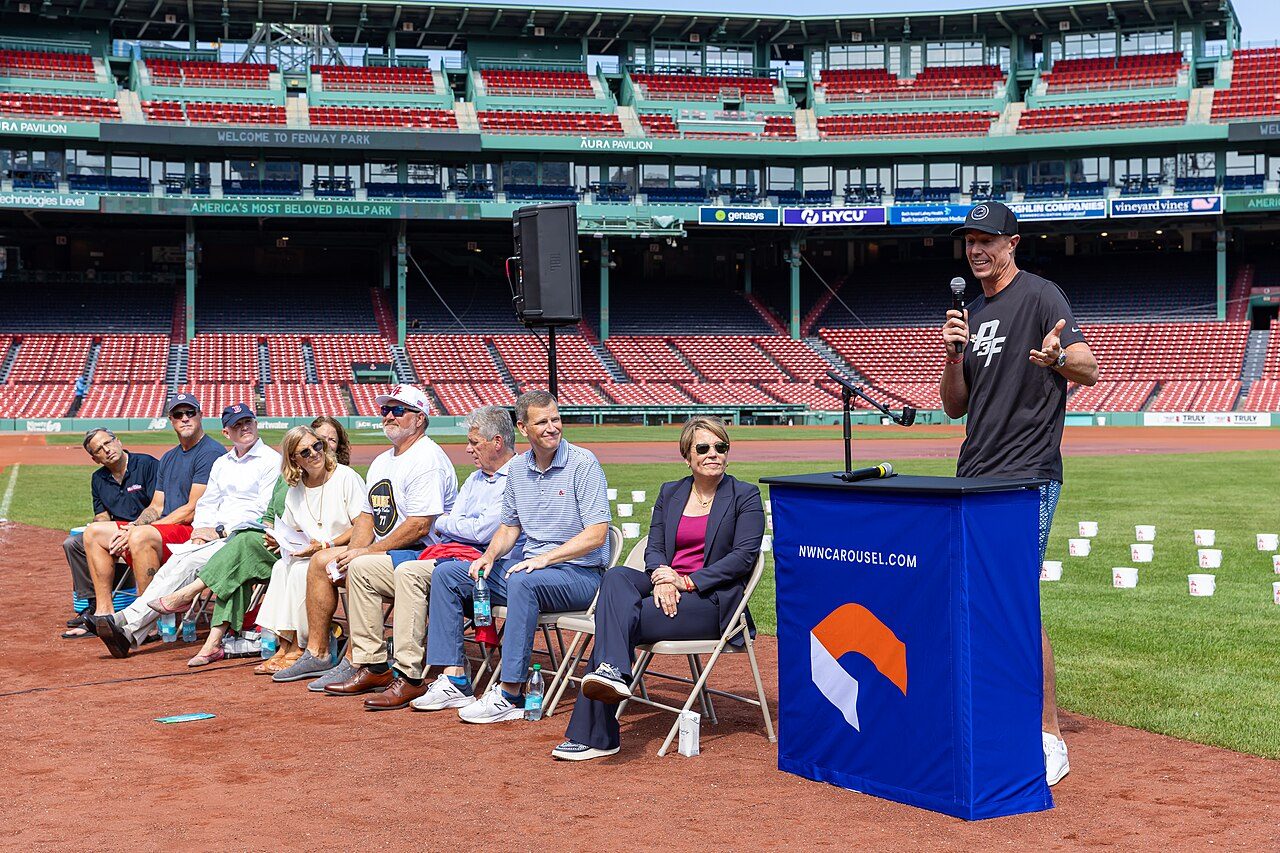
Tenth anniversary: the campaign returns as a strategic memory. In 2024, the tenth anniversary of the Ice Bucket Challenge revived public memory of the campaign. The ALS Association and other organizations recalled the origin of the challenge, participation figures, fundraising totals, and projects funded over the following decade.
The anniversary also made it possible to update the story for an audience that may not have experienced the phenomenon in 2014. The ice bucket returned as a recognizable image, but now accompanied by data on research, care, donors, patients, and scientific collaboration. The campaign ceased to be merely a viral memory and became a long-term case study.
The anniversary extends the life of the public call to action. By late August 2024, anniversary activities had prolonged the public appeal. The original challenge no longer needed an introduction: many people still immediately recognized the ice bucket, the nomination gesture, and the association with ALS. That memory facilitated new posts, donations, and update messages.
The commemoration took place in a digital environment very different from that of 2014. Platforms had changed, short-form video had become standard, and the public was more accustomed to viral challenges. Even so, the Ice Bucket Challenge retained a distinct identity because of its combination of mass participation, a health cause, and documented fundraising.
More information: https://www.als.org/2024-progress-report | https://www.als.org/ibc

Impact report: turning a campaign into evidence
The impact report published by the ALS Association in 2024 brought together data, projects, and results connected to Ice Bucket Challenge funds. The document reviewed investments in research, care programs, scientific collaboration, registries, and support for the ALS community.
This type of report turns a campaign remembered for videos into a sequence of verifiable commitments. The public could see figures, funded areas, and specific examples. For patients, families, and donors, the memory of the challenge was connected to a decade of subsequent activity, not only to the spectacle of the summer of 2014.
More information: https://www.als.org/sites/default/files/2024-08/ALS_IBC10_Impact_Report.pdf
Case review: anatomy of a viral fundraising campaign
The overall assessment of the Ice Bucket Challenge combines several dimensions: community origins, participatory mechanics, expansion through social media, celebrity involvement, media coverage, extraordinary fundraising, public debates, and a decade of subsequent communication about the use of funds and research.
The case continues to be cited because it brought together elements that rarely coincide with such intensity. A very simple action led millions of people to talk about ALS, donate, nominate others, and share videos. Organizations then had to turn that sudden attention into programs, reports, research, institutional memory, and new forms of engagement with donors and affected communities.
More information: https://www.als.org/IBC/commitments
April-May 2025: the format reappears in connection with mental health
The format reappears with another social cause. In 2025, the ice-bucket format reappeared in connection with another social cause: mental health. A new wave of posts, driven by students and linked to initiatives such as #SpeakYourMIND, revived the gesture of ice water, nomination, and shared video to discuss stigma, support, and help resources.
The reappearance showed that the format had entered digital culture beyond ALS. The new cause opened another public conversation and also prompted comparisons with the original challenge. For many people, any later use of the ice bucket remained inevitably connected to the memory of 2014.
Rebranding and memory: when the format already belongs to culture. The return of the format in 2025 generated debate between communities connected to ALS and the new promoters of social campaigns. Some voices expressed discomfort at the possibility that the challenge might be separated from the disease that made it globally recognizable; others emphasized that an effective mechanism could inspire new forms of mobilization.
The conversation demonstrated the symbolic power of the Ice Bucket Challenge. The ice bucket was no longer only a participatory action, but a cultural reference with a memory of its own. Using it for another cause meant negotiating with that memory, the accumulated public recognition, and the communities that had experienced the original phenomenon through the disease.
Replicable format, distinct purpose. The Ice Bucket Challenge format can be replicated, but every cause needs its own content. In 2014, the gesture worked because it was connected to personal stories, recipient organizations, donation pages, identifiable patients, active communities, and a disease with low public visibility.
When the mechanics reappear in other contexts, the ice bucket provides recognition, but it does not replace an explanation of the cause. The new campaign must clarify whom it helps, what it asks of the public, what resources it offers, and how participation translates into real support. Without that specific layer, the gesture risks becoming mere imitation.
More information: https://www.theguardian.com/society/2025/apr/25/ice-bucket-challenge-social-media-mental-health | https://people.com/als-community-upset-by-students-rebranding-the-ice-bucket-challenge-exclusive-11722375 | https://www.als.org/ibc