

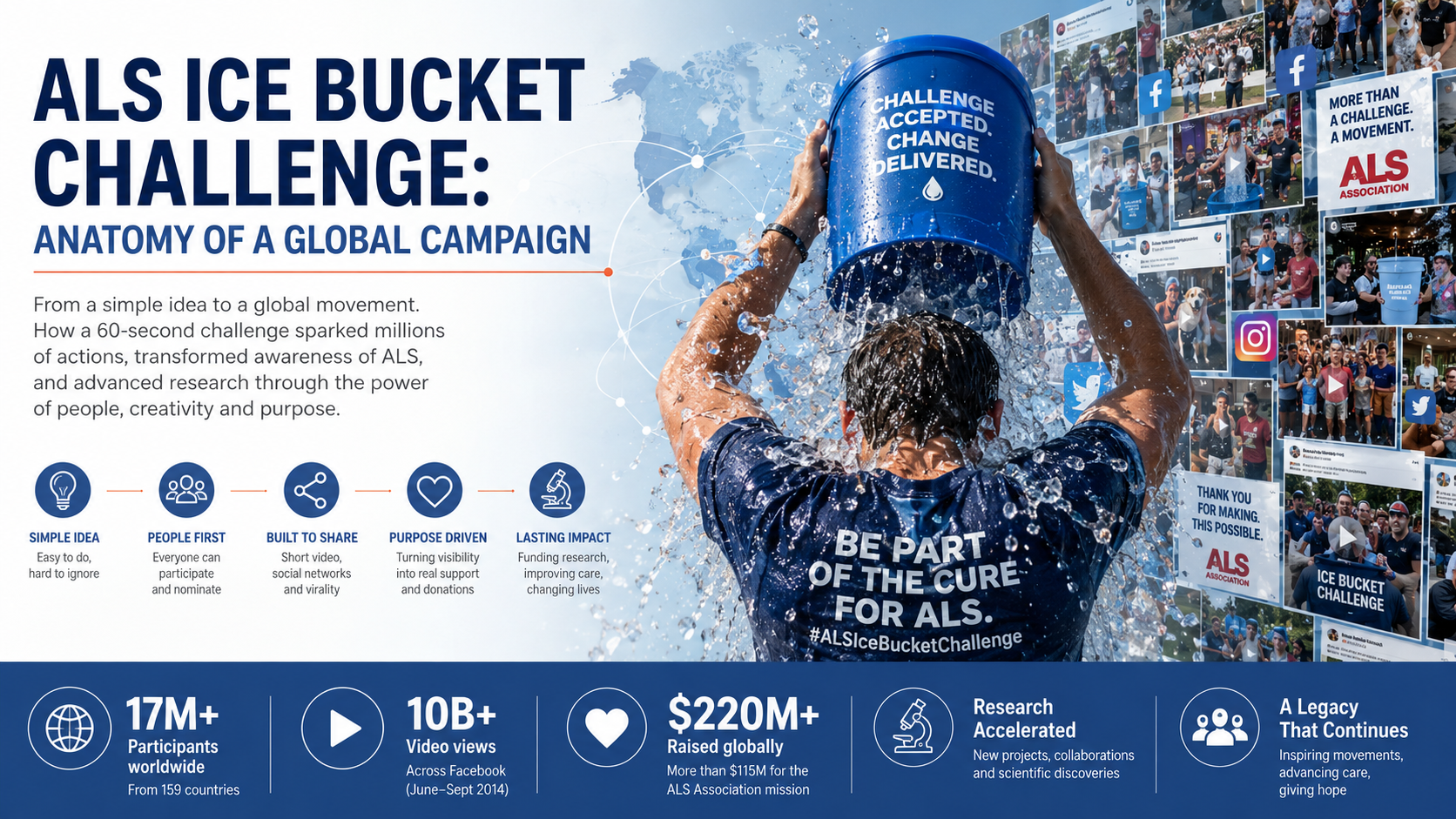
Ice Bucket Challenge: anatomy of a global campaign
This timeline reconstructs the Ice Bucket Challenge as a global communication, social mobilization and fundraising campaign. It shows how a simple, public and replicable challenge became a viral mechanism capable of activating communities, attracting celebrities, gaining media coverage and turning digital attention into measurable donations.
The sequence makes it possible to analyse the campaign in phases: context, insight, participatory mechanism, early activators, expansion across social media, media amplification, organisational management, public debate, fundraising, accountability and subsequent impact. Each milestone explains what happened, the role it played within the campaign and the lessons it offers for communication, fundraising or institutional mobilization projects.
With documented events, periods, images, videos, sources and results, this case shows how TimeDivers can be used to prepare, present and evaluate complex campaigns: organising decisions, visualising key moments, connecting channels and audiences, documenting indicators and turning a communication initiative into a clear, navigable and strategically useful story for teams, clients and organisations.

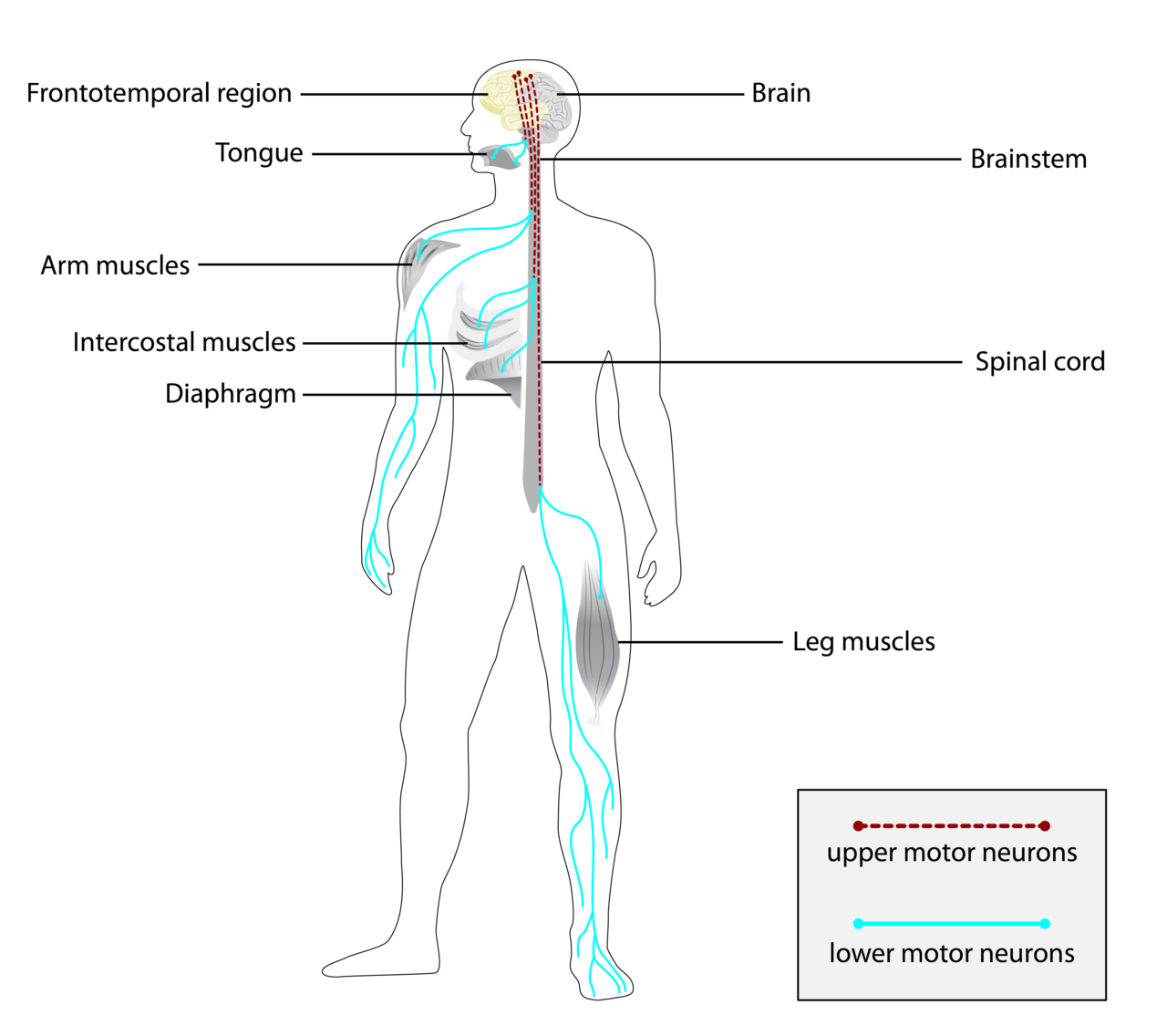 The personal story that gave the cause a human face2012
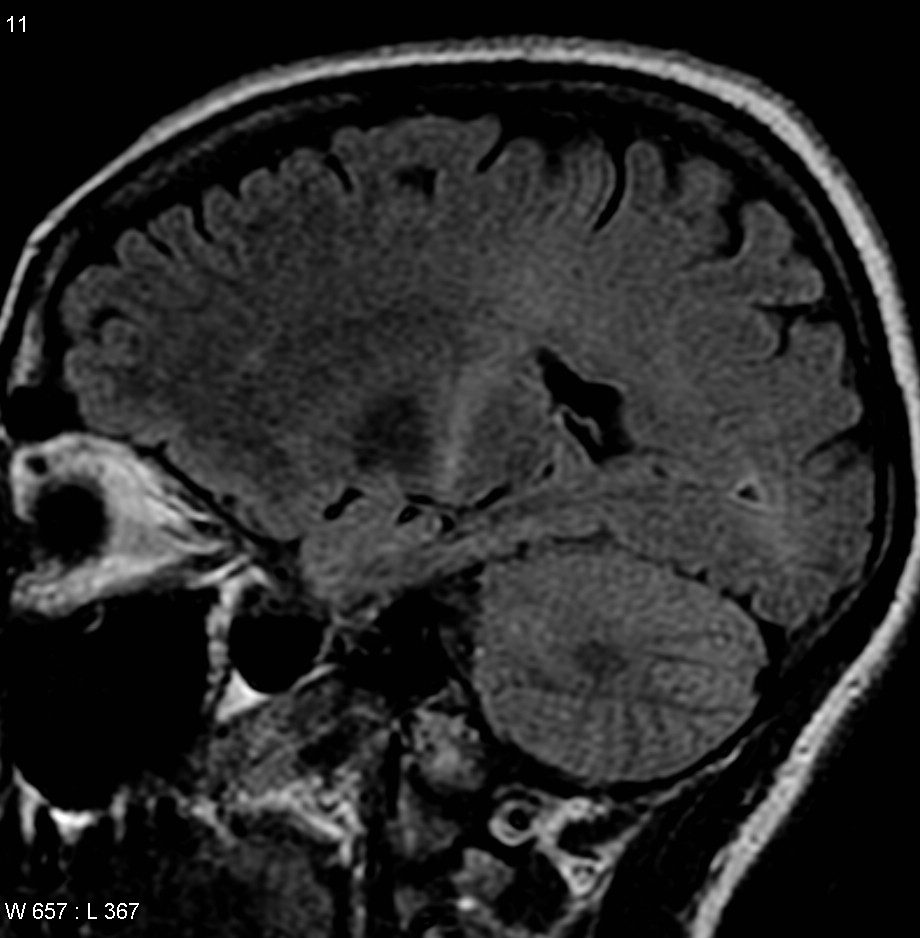 March 2013: Pat Quinn becomes another hub for mobilization2013-03-01 – 2013-03-31
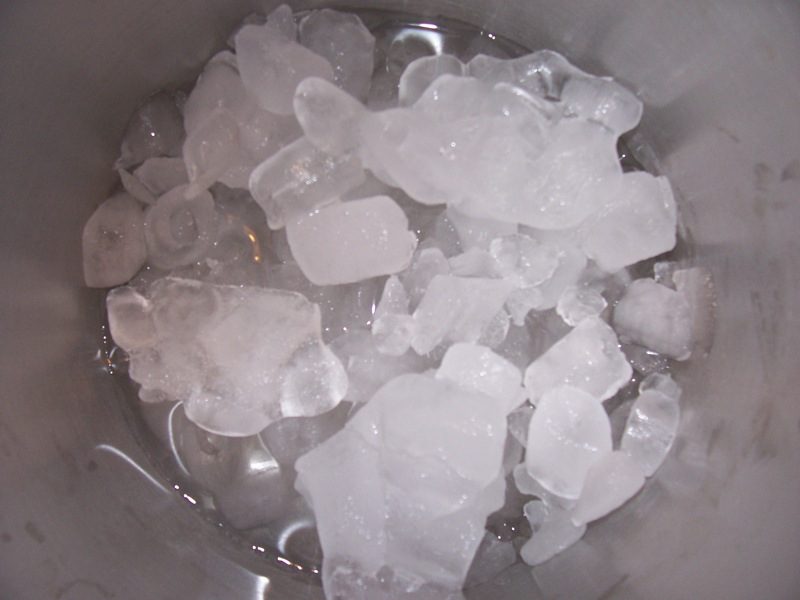 The ice-water challenge becomes popular before being linked to ALS2014-06-30
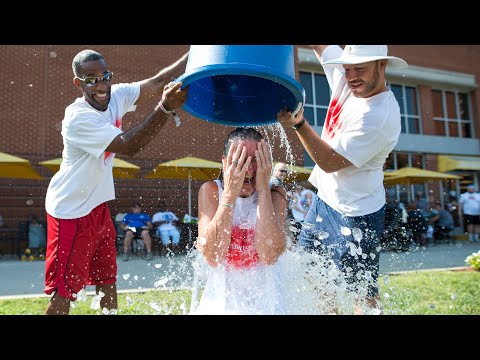 Chris Kennedy links the Ice Bucket Challenge to ALS2014-07-15
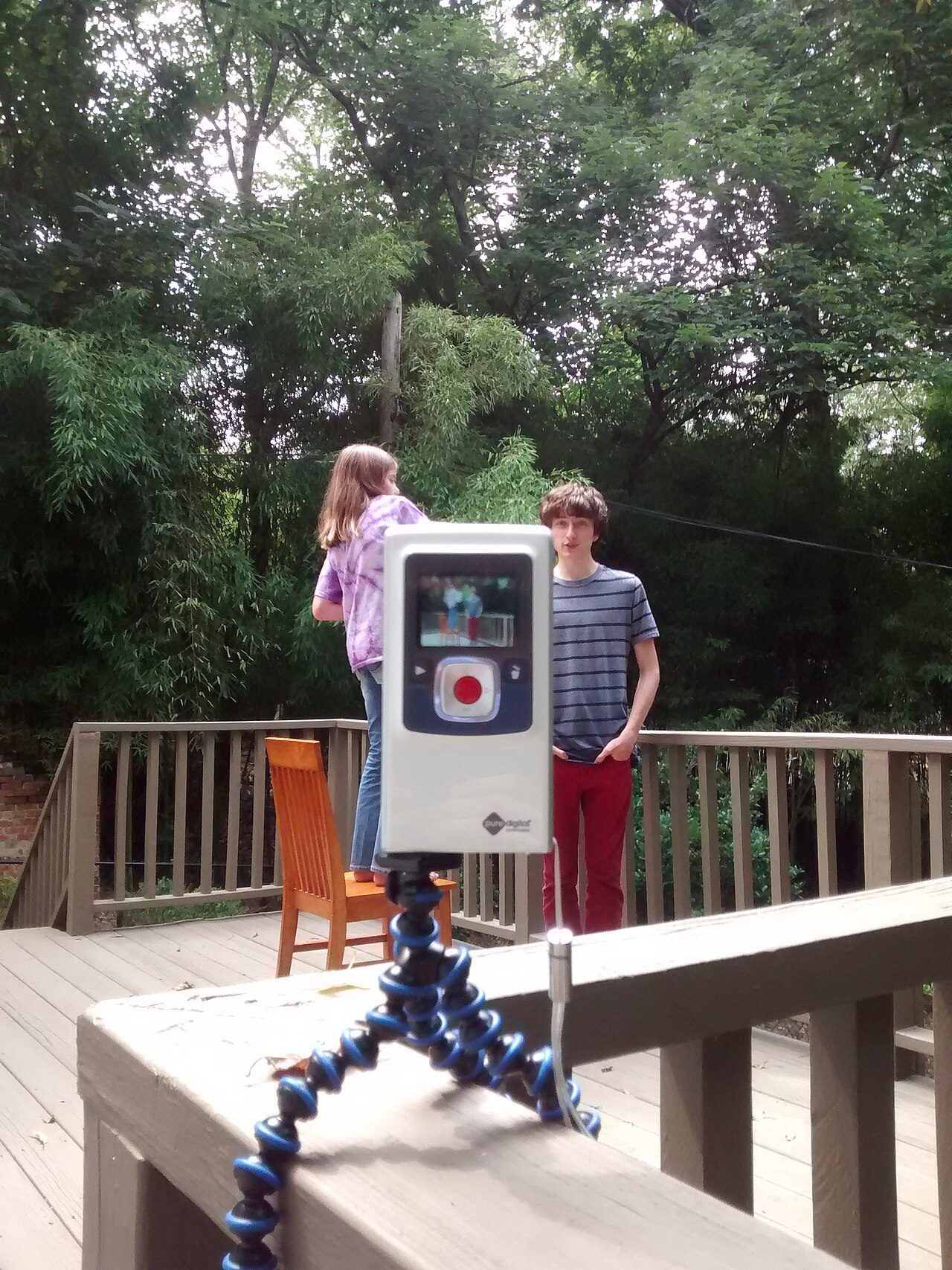 The chain spreads through personal networks2014-07-15 – 2014-07-30
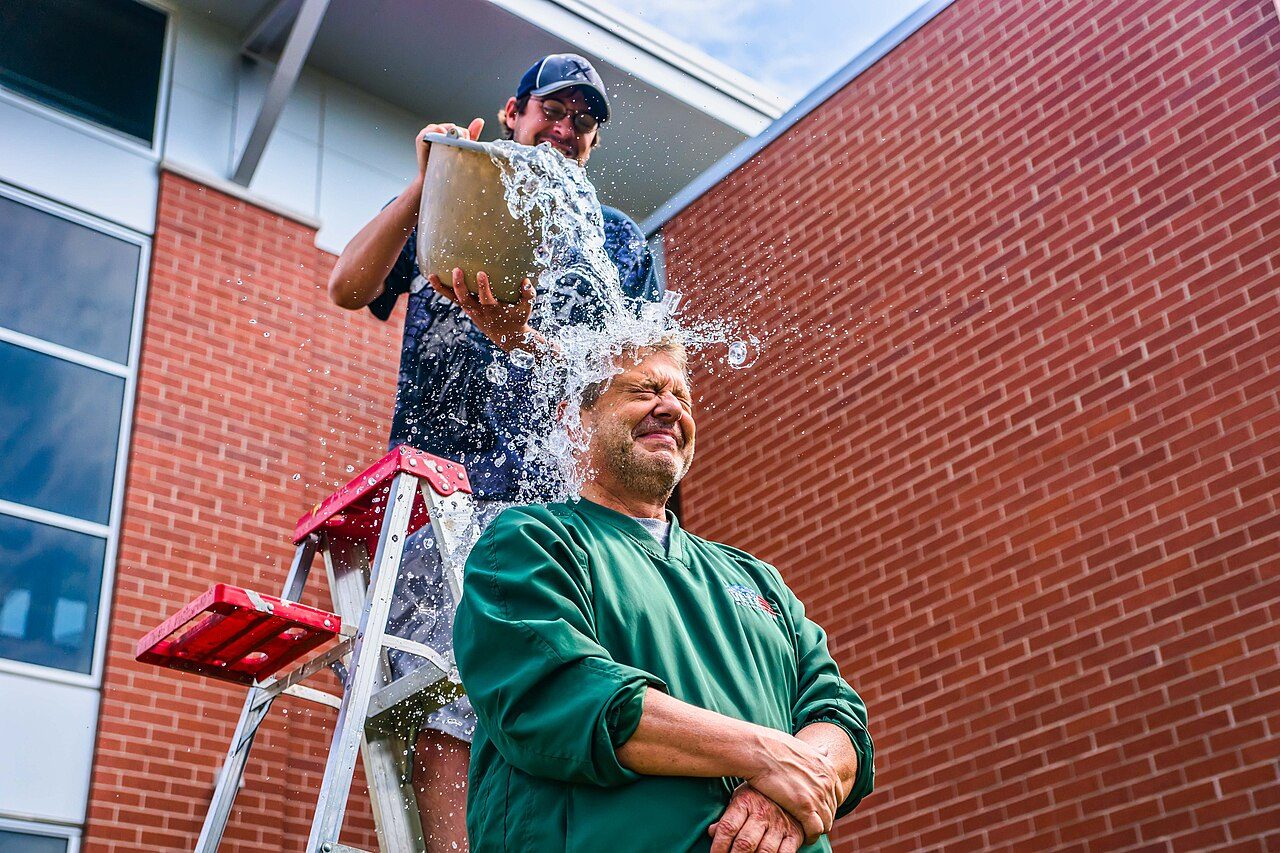 Pete Frates turns a community into a platform2014-07-31
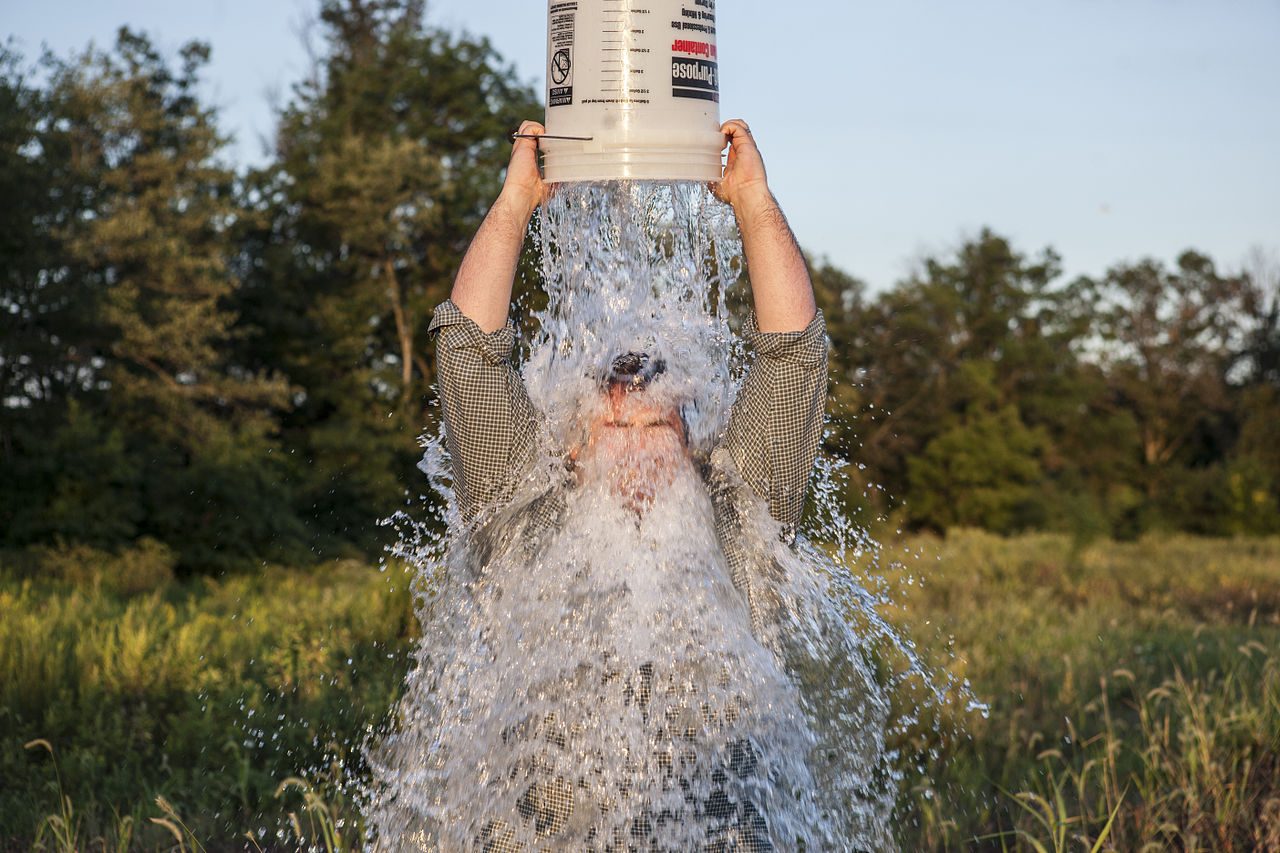 August 2014: the mechanics that drive virality2014-08-01 – 2014-08-31
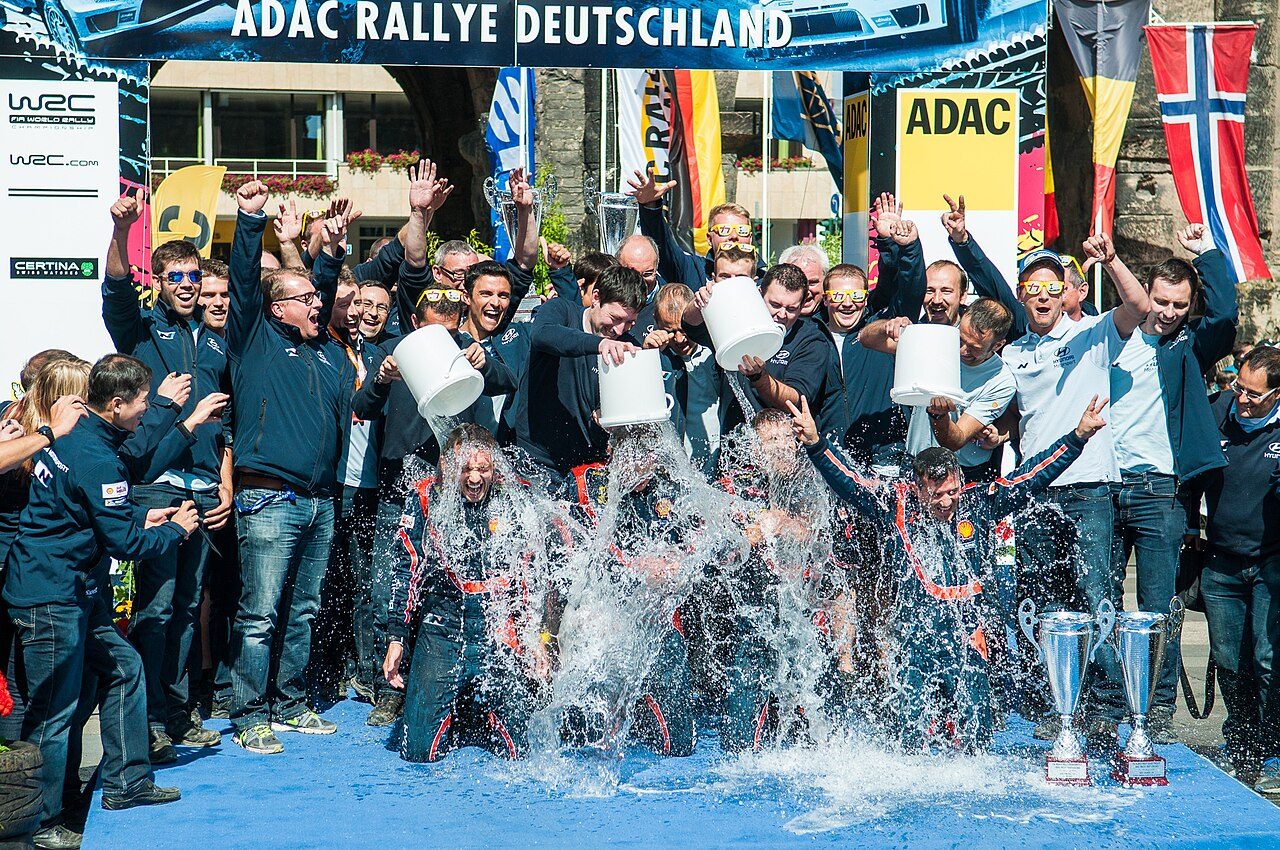 August 2014: sport, celebrities, brands, and media amplify the challenge2014-08-01 – 2014-08-31
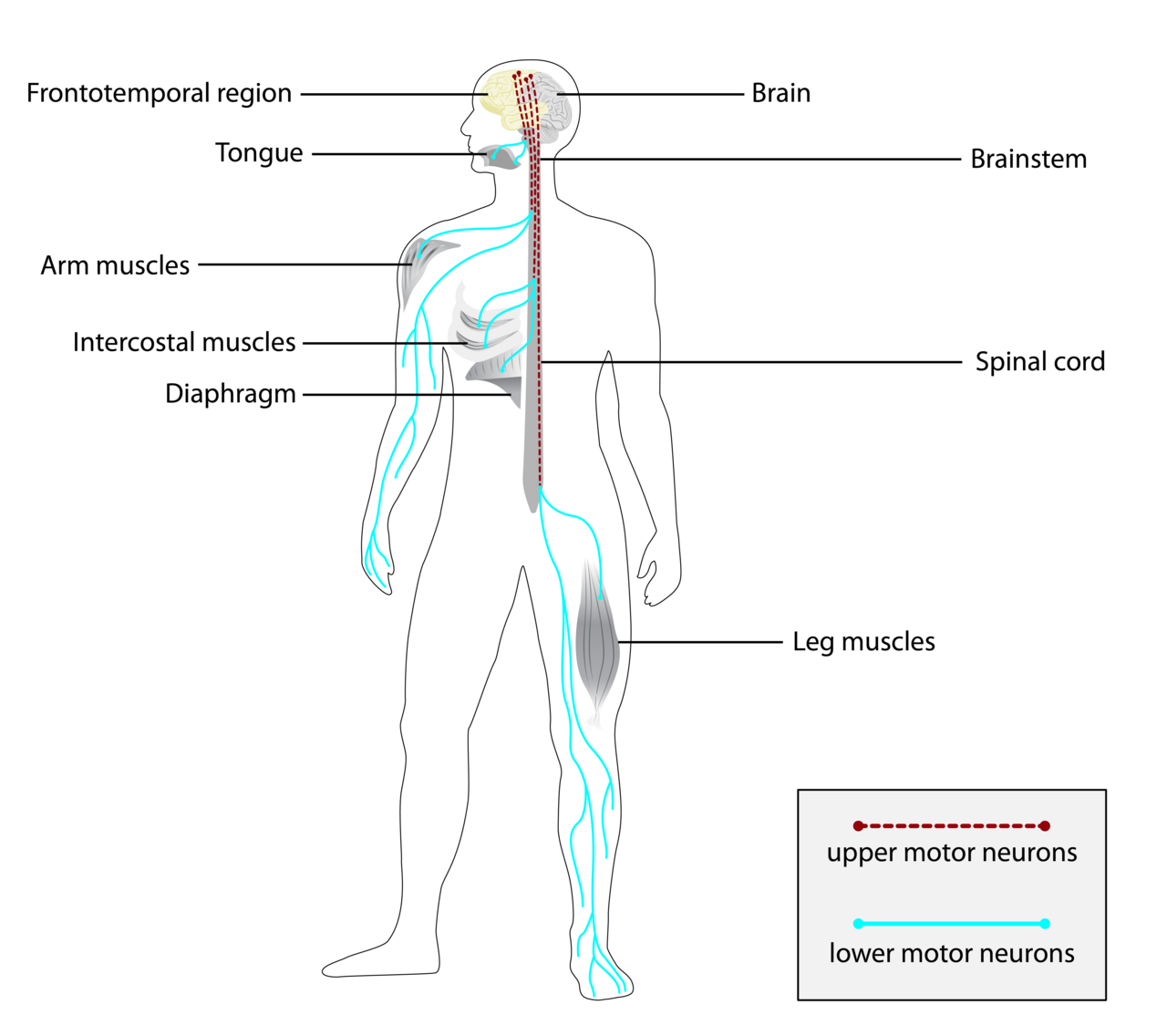 August 2014: the ALS Association integrates donations, education, and management2014-08-01 – 2014-08-31
 TIME publishes the first figures showing the scale of the challenge on Facebook2014-08-15
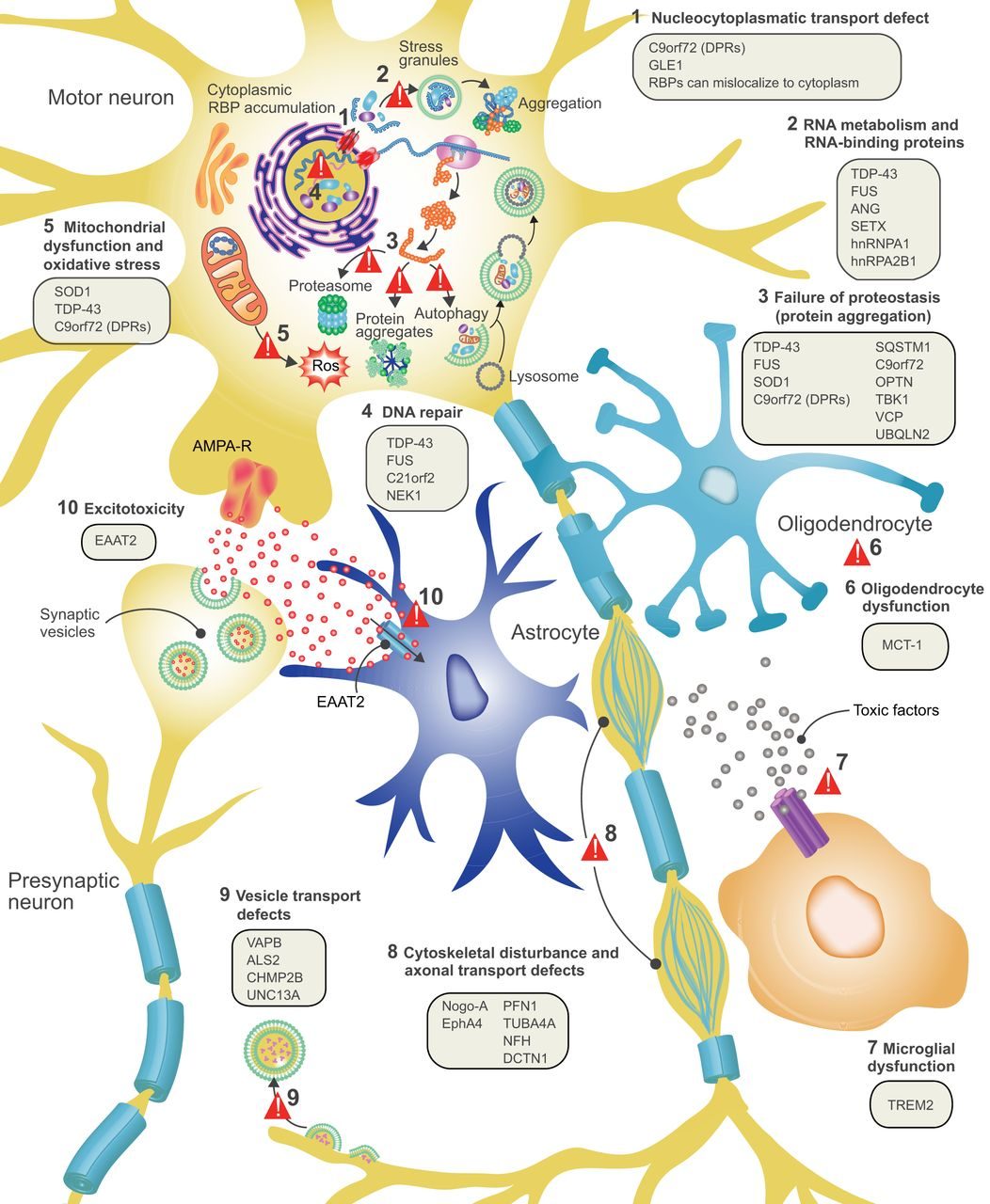 Second half of August: mass attention becomes a conversation about ALS2014-08-15 – 2014-08-31
 August-September 2014: debates over saturation, slacktivism, and water use2014-08-15 – 2014-09-30
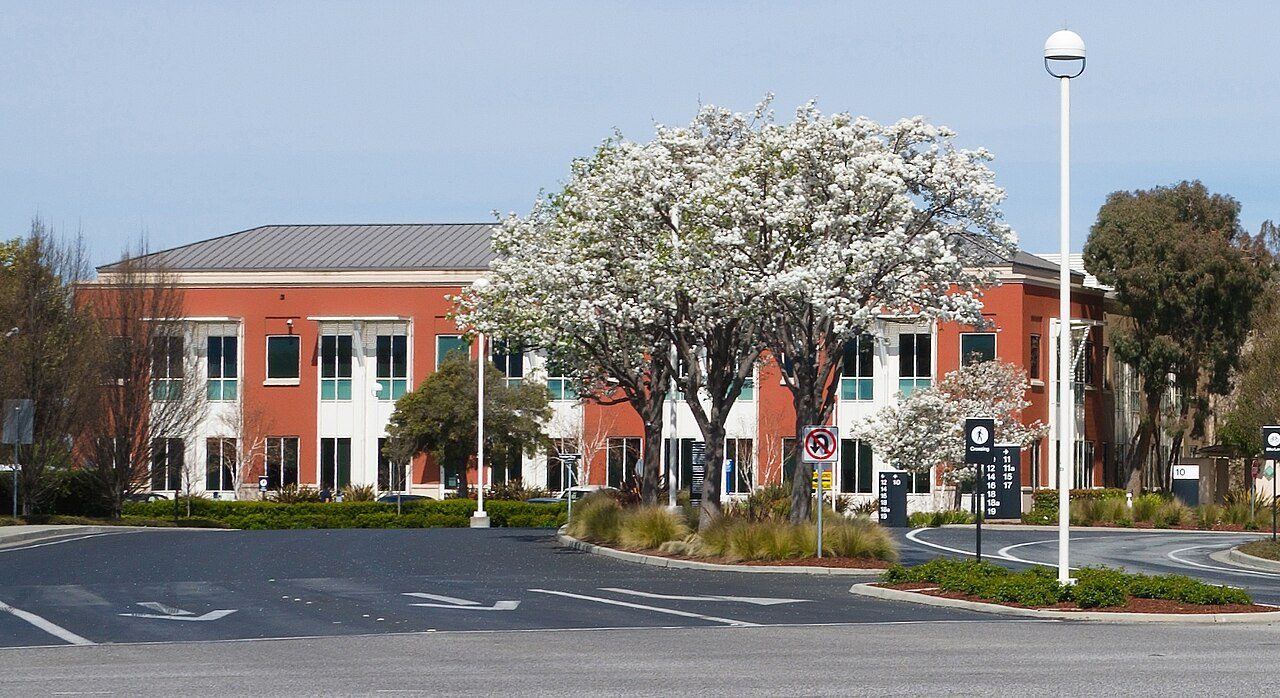
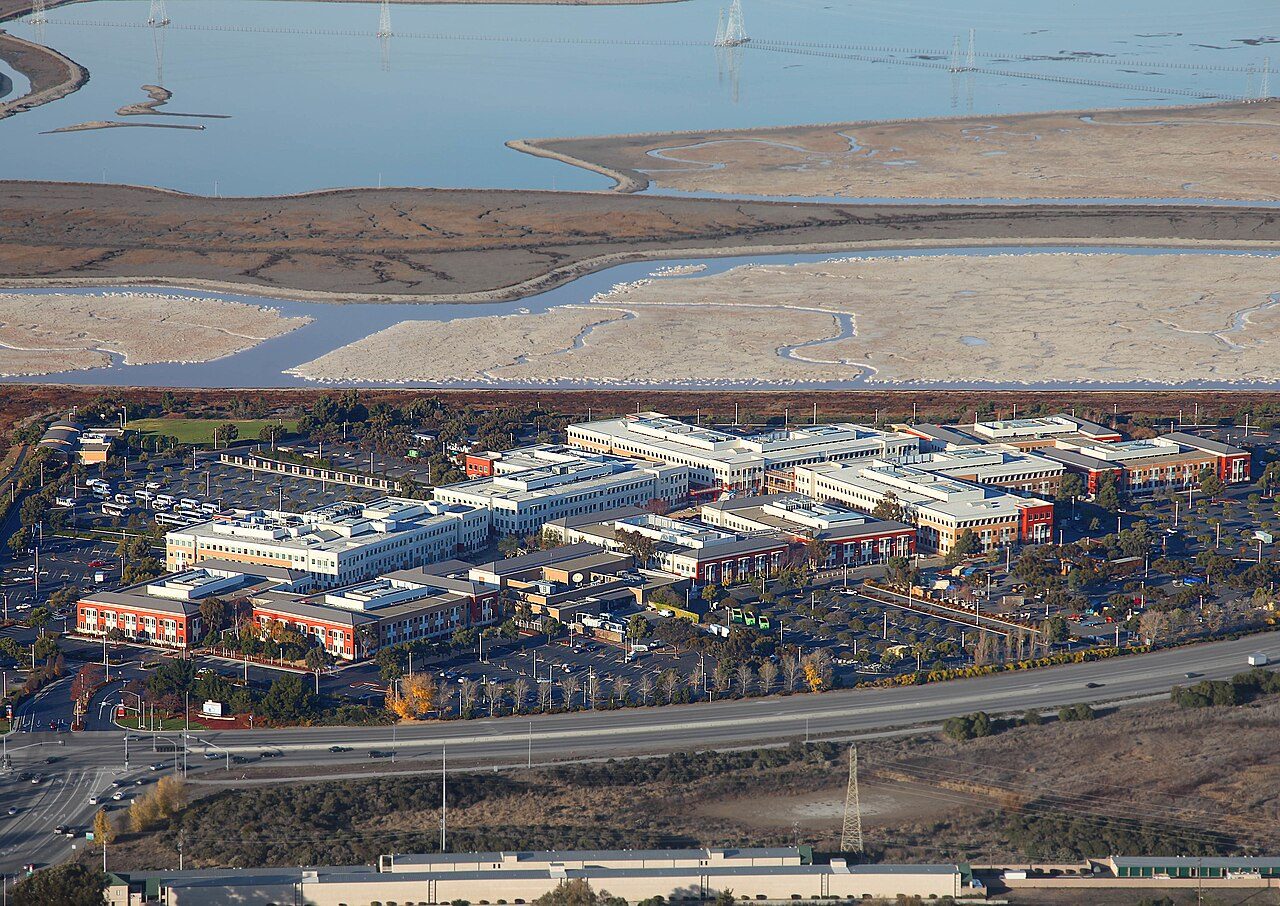
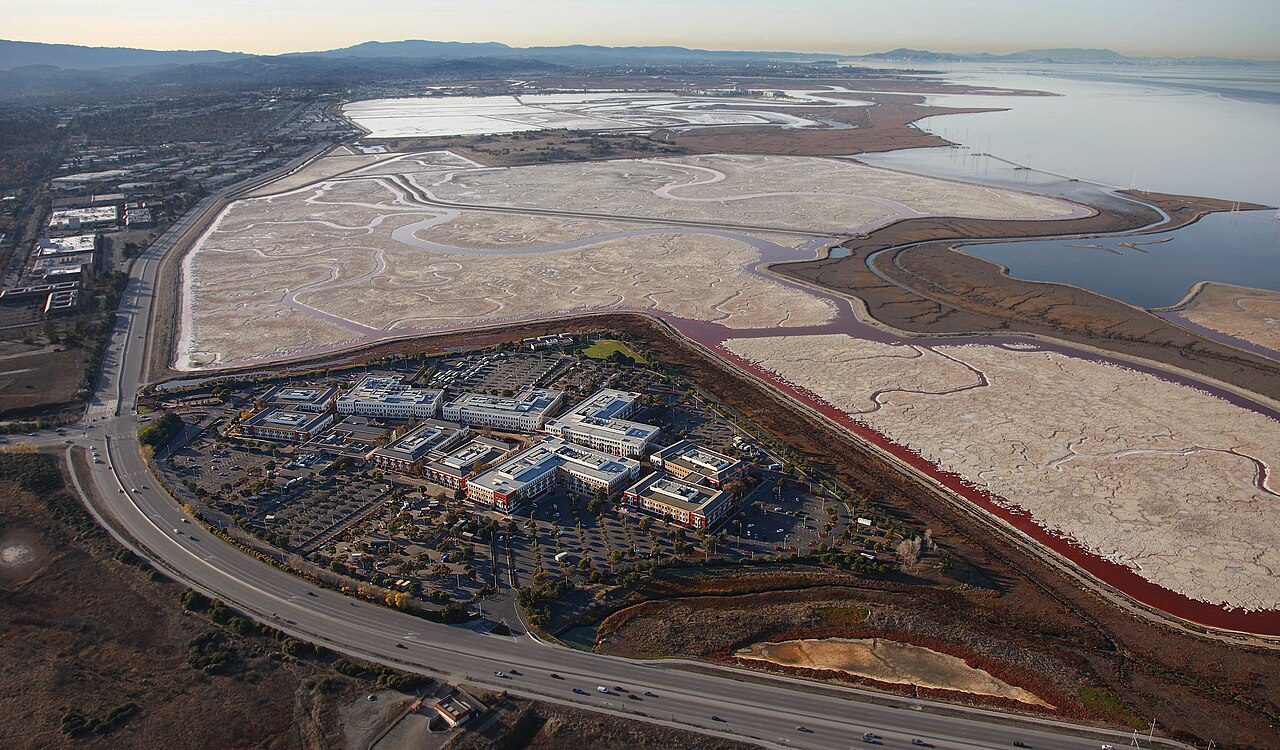 Facebook publishes its analysis of how the challenge spread2014-08-18
 Late August to December: from virality to managing the funds2014-08-29 – 2014-12-31
 Fundraising surpasses $100 million2014-08-29
 Facebook updates the total: 17 million videos2014-09-07
 The campaign becomes a social-brand asset2015-01-01 – 2015-12-31
 August 2015: an annual relaunch supported by sport2015-08-01 – 2015-08-31
 Project MinE connects the campaign with collaborative science2016-07-25
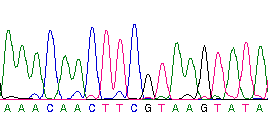 NEK1 provides a clear story of scientific results2016-07-26
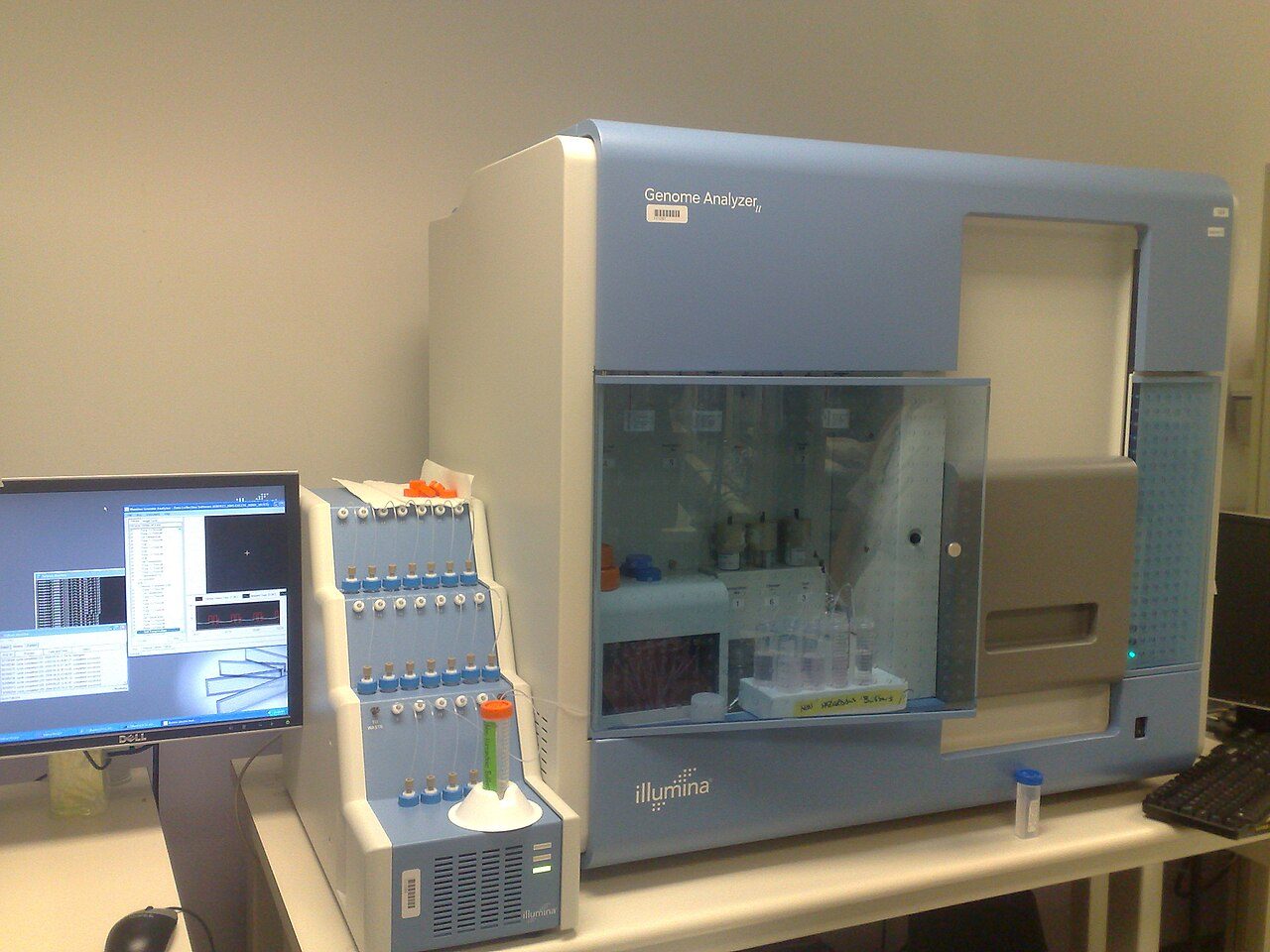 The media translate research into public memory2016-07-27
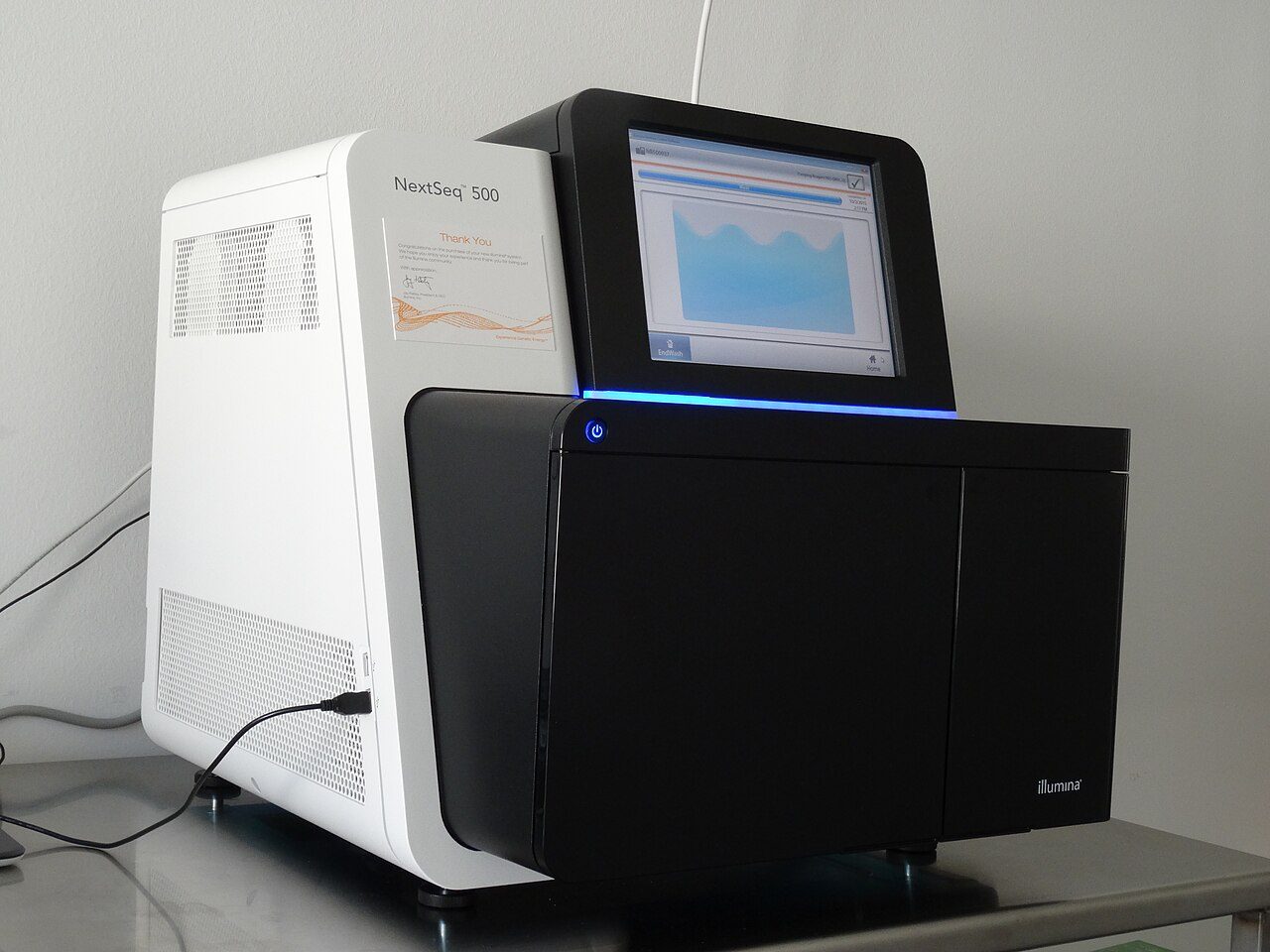 Sustained investment replaces the one-off impact2017-01-01 – 2017-12-31
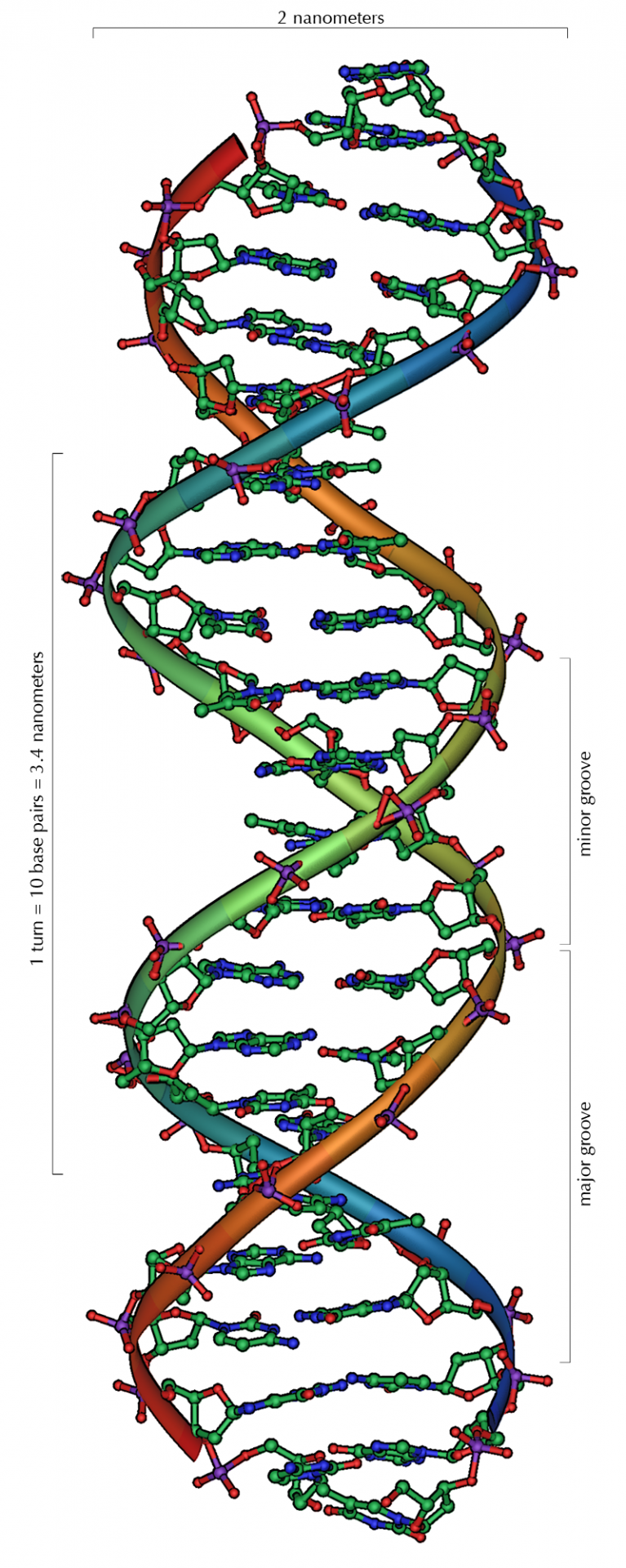 $94 million committed: cumulative accountability2018-01-30
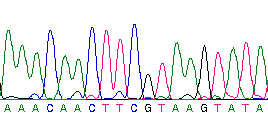 Genetic discoveries broaden the story of impact2018-06-13
 “Finish what was started”: continuity as the message2019-07-16
 Pete Frates’s death restores the human dimension of the campaign’s memory2019-12-09
 Pat Quinn and the value of community leadership2020-11-22
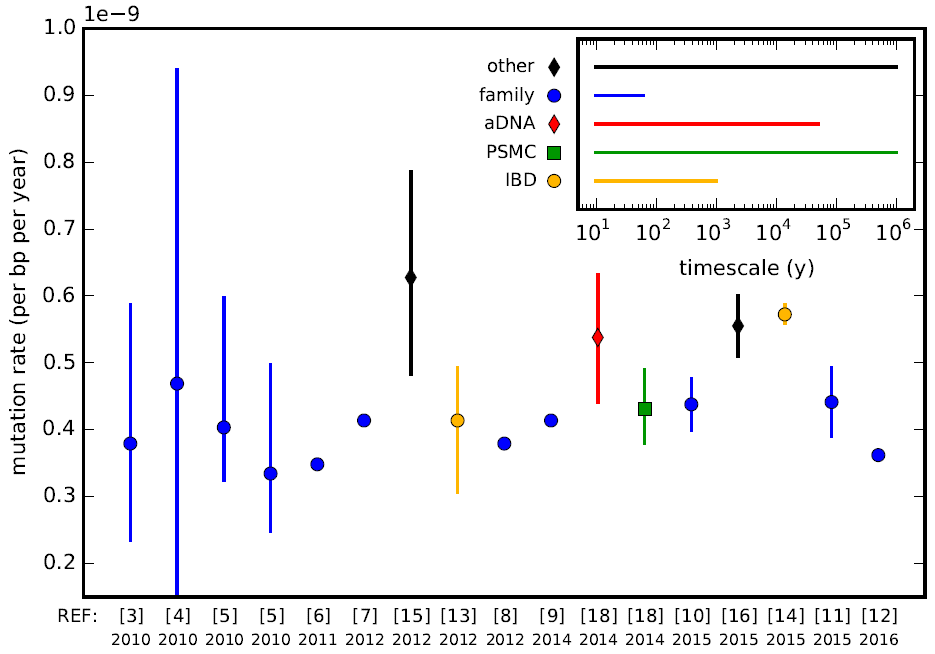 A treatment supported by campaign funds enters the story2022-09-29
 Qalsody demonstrates the importance of genetic medicine2023-04-25
 2024: the tenth anniversary revives the campaign’s memory2024
 Impact report: turning a campaign into evidence2024-08-19
 Case review: anatomy of a viral fundraising campaign2025
 April-May 2025: the format reappears in connection with mental health2025-04-01 – 2025-05-31