

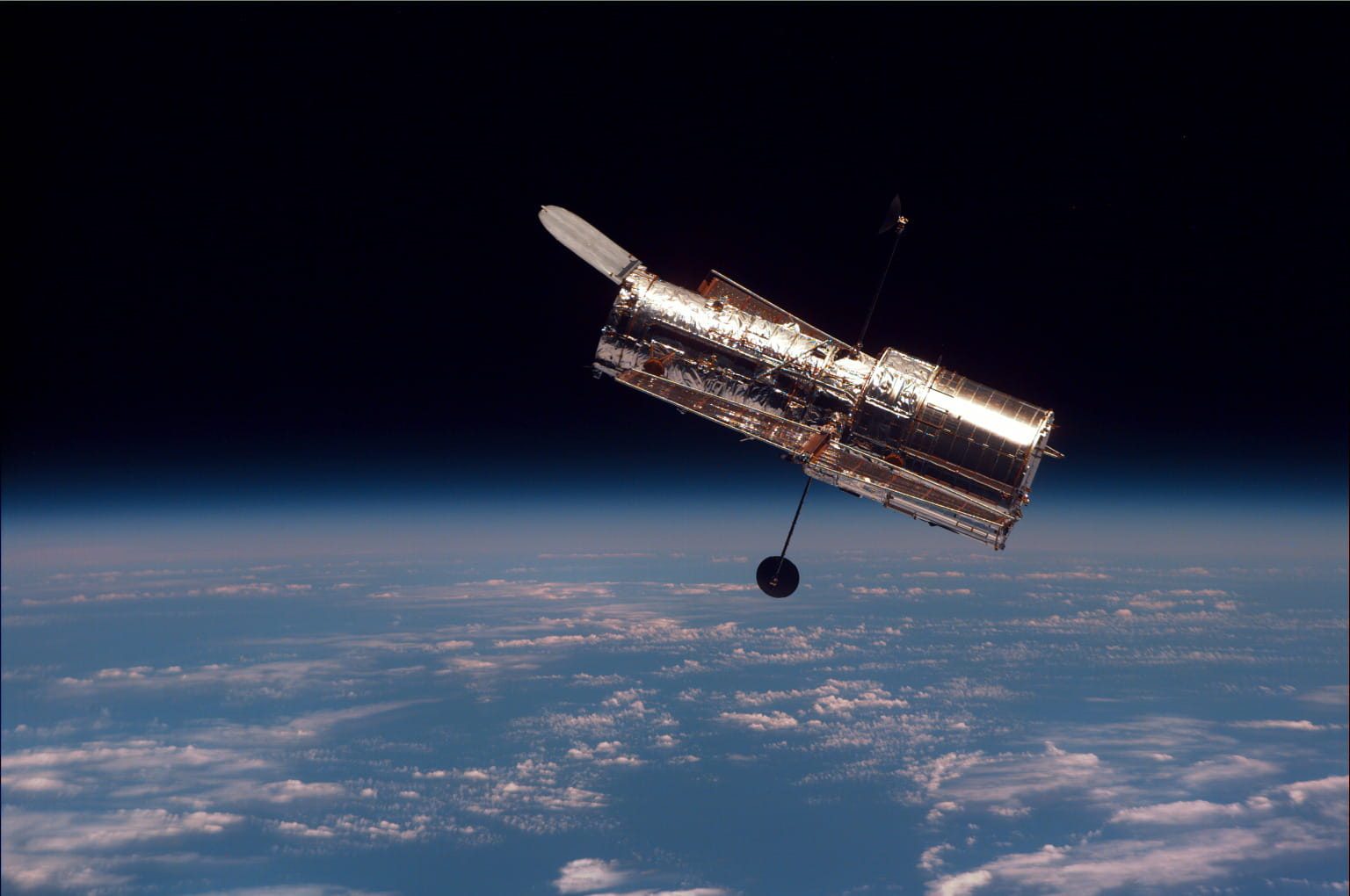
History of space exploration
Decades of research, long-duration missions, interplanetary trajectories, critical landings and discoveries that transformed our relationship with the universe.
The journey brings together rocketry, Sputnik, human spaceflight, the Moon race, space stations, planetary probes, orbital telescopes, Mars rovers and commercial space exploration. Each event forms part of a cumulative story in which science, engineering, politics and human ambition advance together.

Exportar línea del tiempo
Formato de exportación
Exporta todos los eventos filtrados actualmente en la línea del tiempo vertical como PNG o PDF.
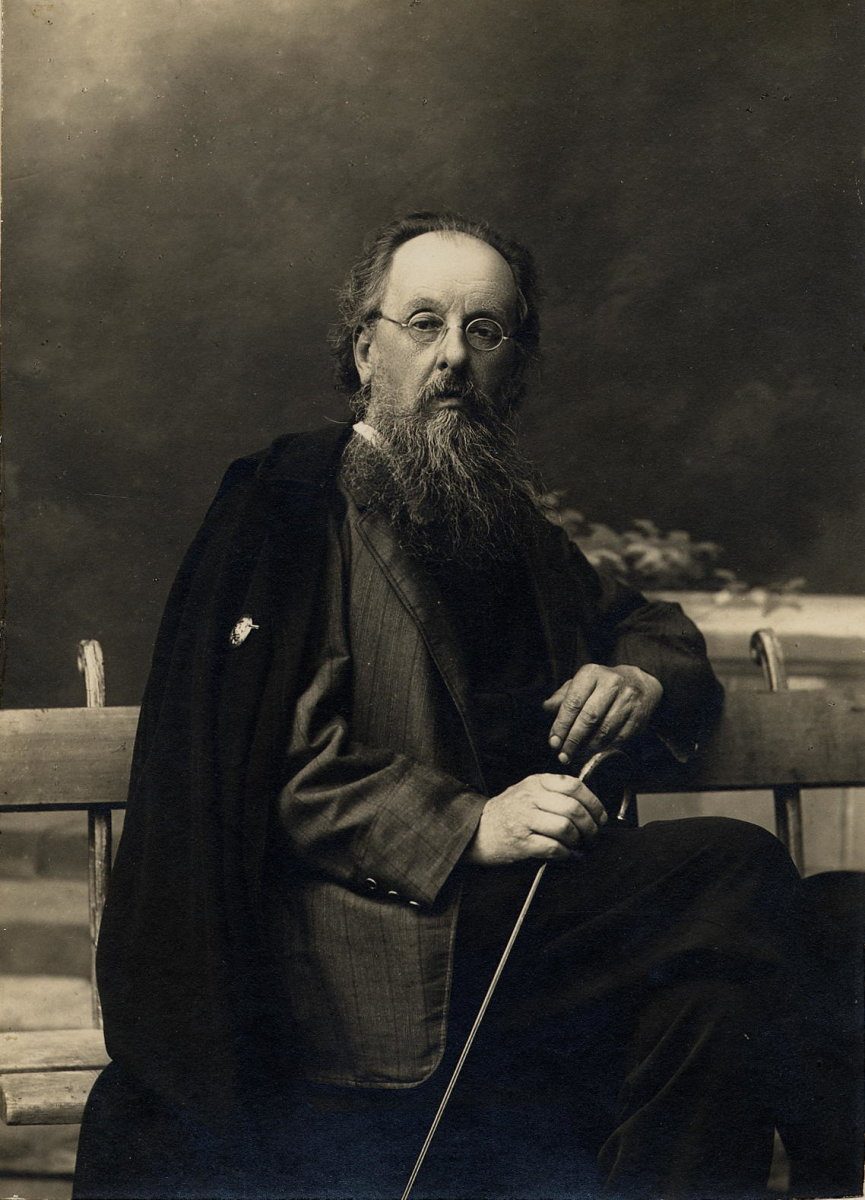
Tsiolkovsky establishes the theoretical basis of spaceflight
Konstantin Tsiolkovsky publishes foundational work on the use of rockets to travel beyond the atmosphere. His rocket equation relates velocity, initial mass, final mass, and exhaust velocity, and becomes one of the mathematical foundations of modern astronautics.
His contribution was not a space mission but a decisive technical idea: reaching space required more than balloons or cannons; it required reaction propulsion and multistage vehicles. This combination of physics, engineering, and long-term vision made it possible to think of space exploration as a solvable problem rather than speculative literature.
More information: https://en.wikipedia.org/wiki/Konstantin_Tsiolkovsky | https://en.wikipedia.org/wiki/Tsiolkovsky_rocket_equation
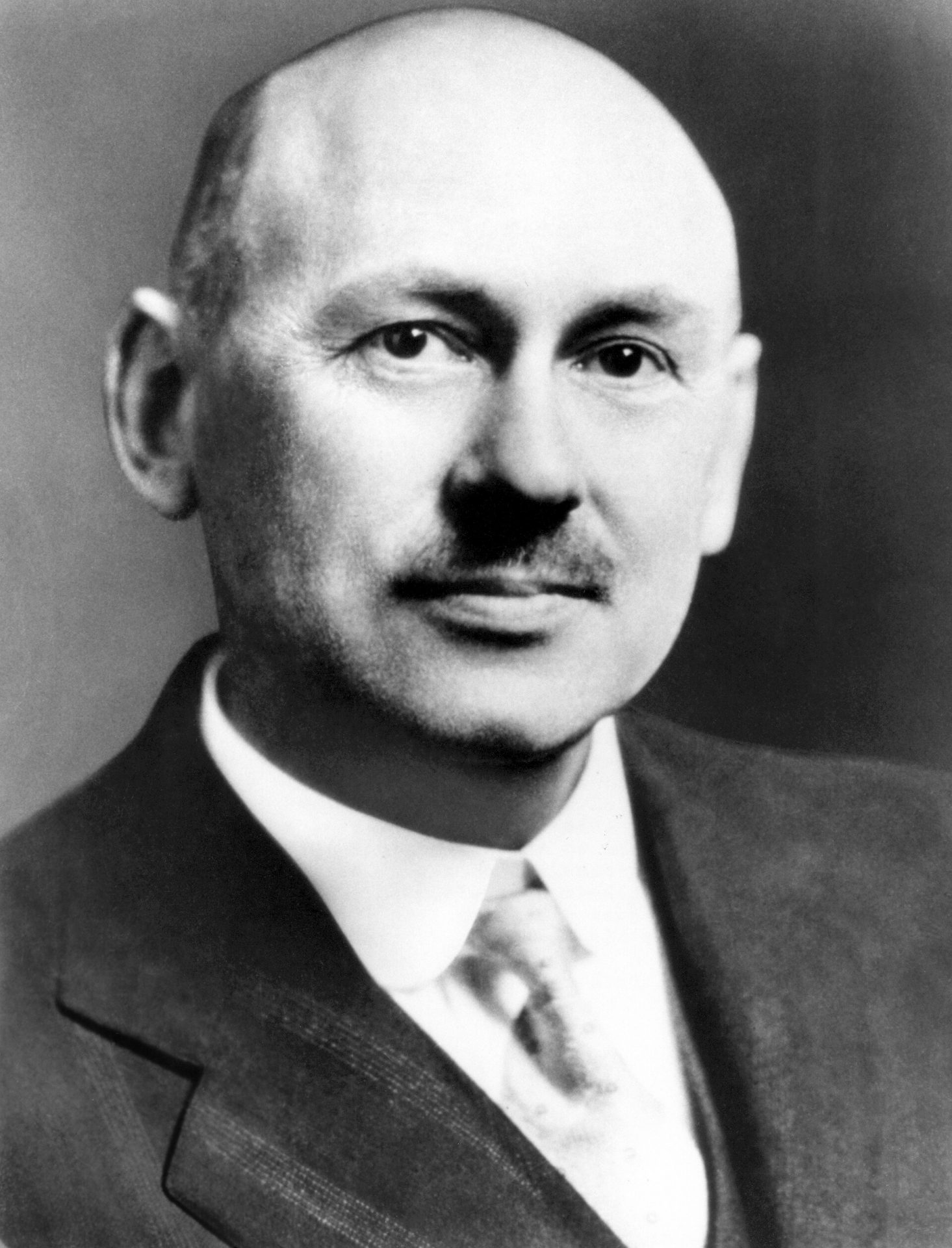
Robert Goddard's first liquid-fueled rocket
Robert H. Goddard launches the first liquid-fueled rocket to fly successfully in Auburn, Massachusetts. The flight was brief and modest, but it demonstrated an essential technical principle: liquid propellants could be controlled and offered a far more efficient path to long-range rockets than the solid fuels of the time.
Goddard worked with liquid oxygen and gasoline and explored concepts that later became standard: combustion chambers, feed systems, stabilization, nozzles, and thrust control. He was treated with skepticism in his lifetime, but many of his ideas reappeared in the major rocket programs that followed.
More information: https://en.wikipedia.org/wiki/Robert_H._Goddard | https://en.wikipedia.org/wiki/Robert_Goddards_first_rocket
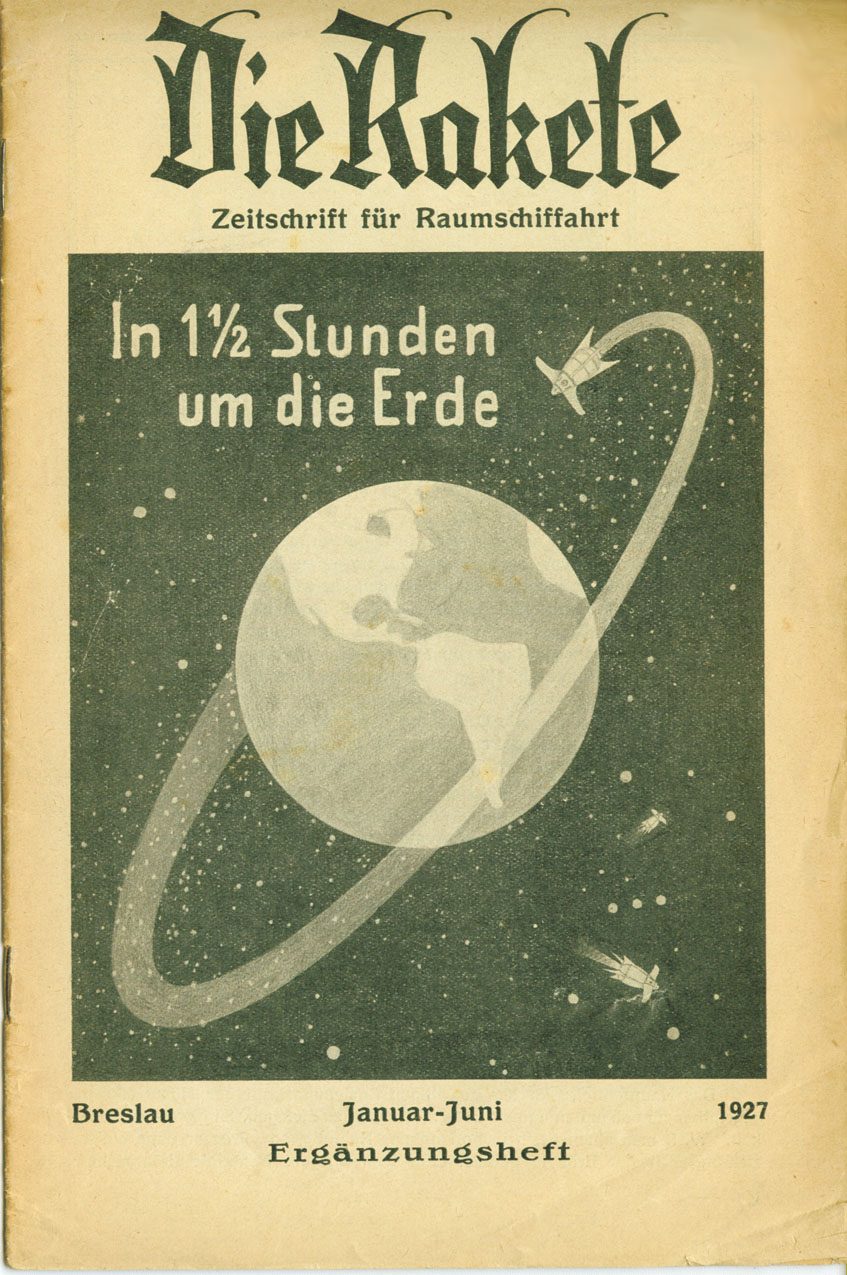
From rocket clubs to ballistic missiles
During the 1920s, 1930s, and 1940s, rocketry moved from amateur circles and scientific societies to large-scale state programs. Organizations such as the Verein für Raumschiffahrt in Germany brought together enthusiasts and engineers who dreamed of space travel, but World War II transformed part of that knowledge into military technology.
The development of the V-2 missiles revealed both the technical potential and the human and ethical cost of that transition. Later space exploration inherited engines, guidance methods, test facilities, and technical personnel, but also an uncomfortable legacy: the road to space was linked to war, forced labor, and geopolitical competition.
More information: https://en.wikipedia.org/wiki/Verein_fr_Raumschiffahrt | https://en.wikipedia.org/wiki/Peenemnde_Army_Research_Center
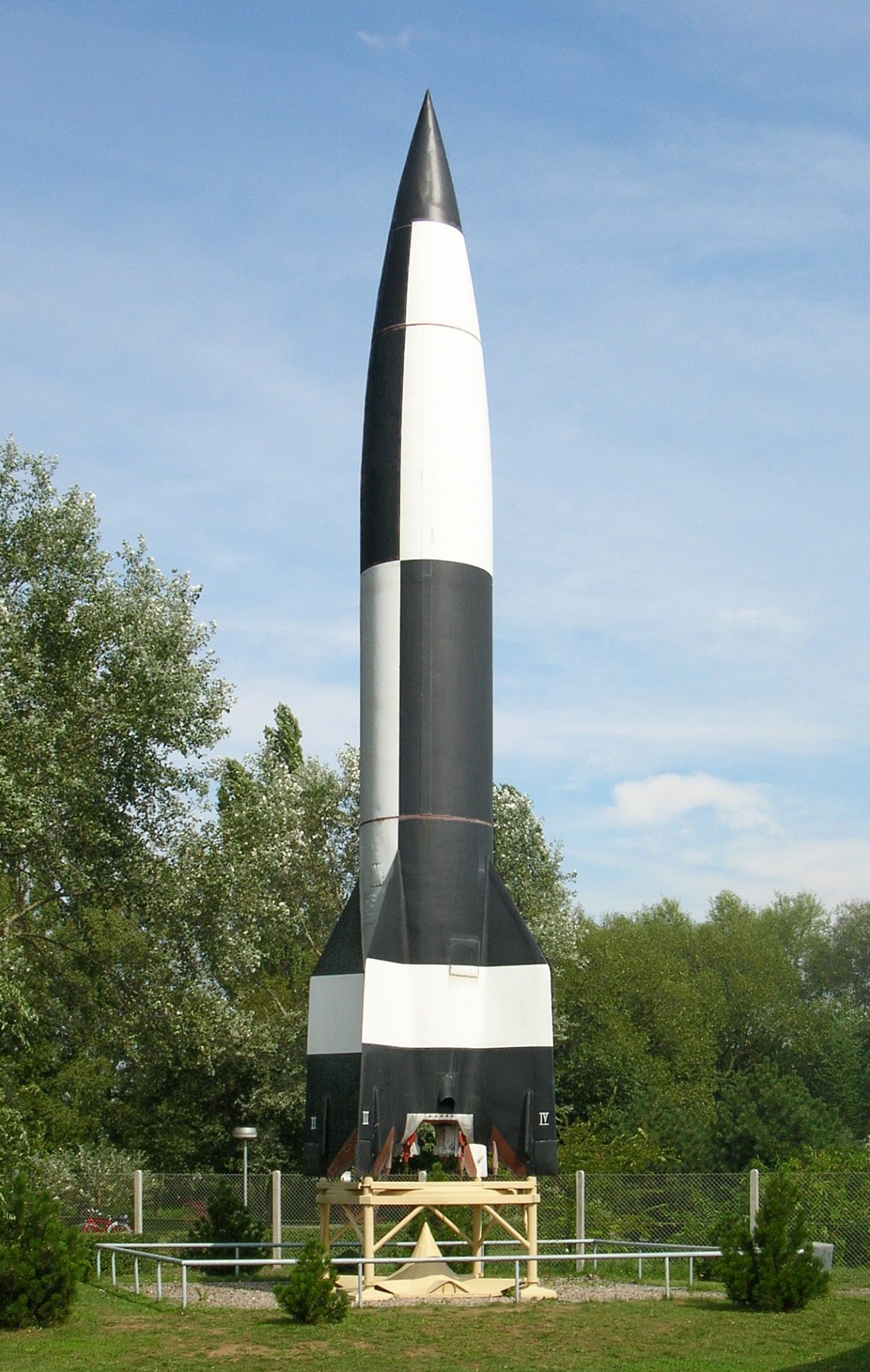
First successful V-2 rocket
Germany successfully launches a V-2 missile from Peenemünde. The vehicle reaches an altitude close to the boundary of space and is considered one of the first human-made objects to complete a suborbital flight. Technically, it was a major advance: it combined a liquid-fueled engine, inertial guidance, and an architecture that anticipated postwar rocketry.
The milestone must be viewed from two perspectives. On the one hand, the V-2 proved that vehicles could be built to cross the atmosphere and reach extreme speeds. On the other, it was a weapon used against cities and manufactured under brutal conditions, causing thousands of deaths among civilians and forced laborers. Modern space exploration inherited part of this technology, but its origins were not peaceful.
After the war, the United States and the Soviet Union captured documents, components, and specialists. This knowledge fed missile programs and later space launch systems. The V-2 was not yet an exploration spacecraft, but it was a technical turning point: it showed that access to space depended on powerful engines, lightweight structures, trajectory control, and reliable combustion systems.
More information: https://en.wikipedia.org/wiki/V-2_rocket | https://en.wikipedia.org/wiki/Peenemnde_Army_Research_Center
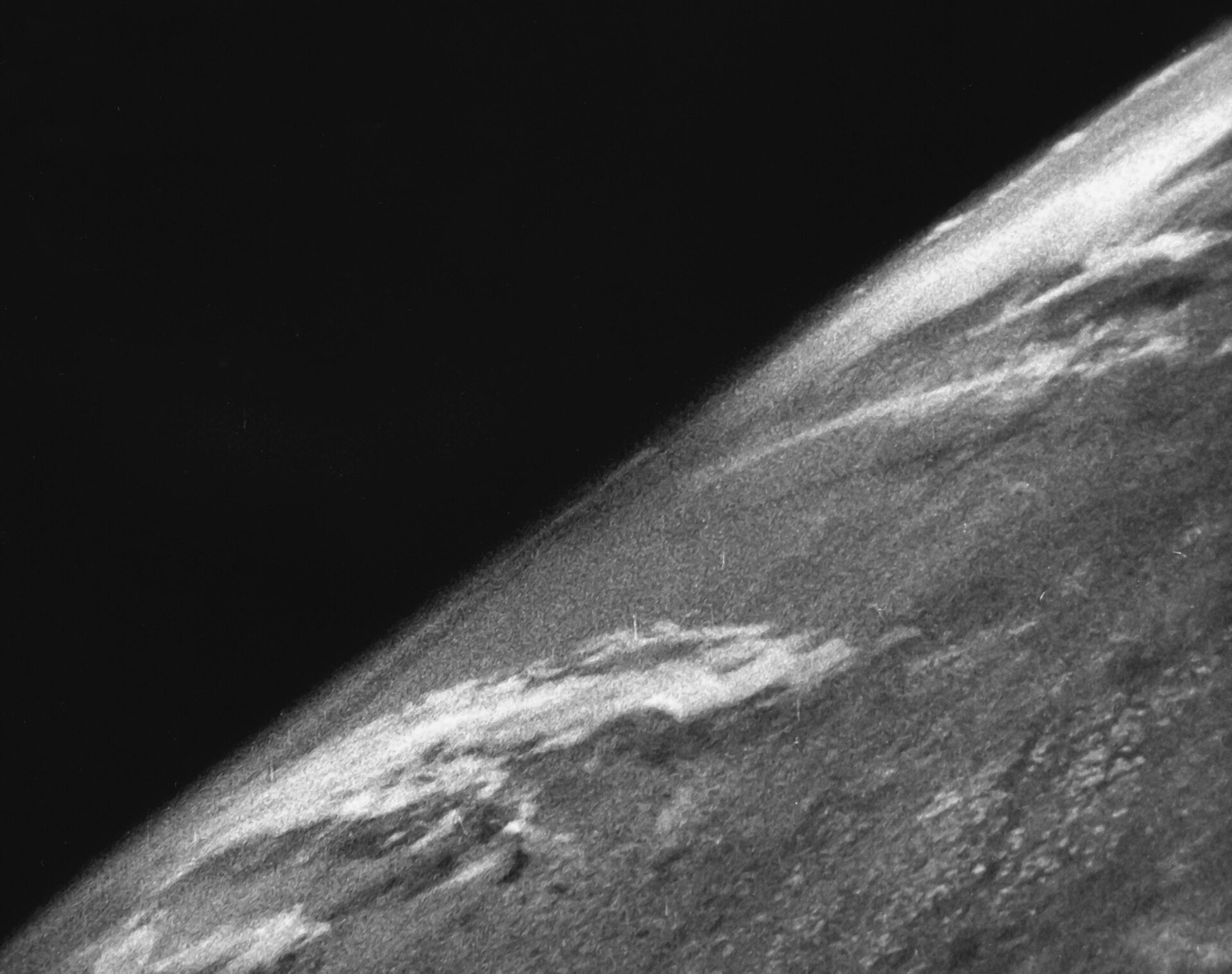
First photograph of Earth from space
A modified V-2 rocket launched from White Sands carries a camera that captures images of Earth from an altitude of more than 100 kilometers. The photographs are rudimentary, but they introduce a new way of seeing the planet: not as a political map, but as a physical body observed from outside.
These postwar suborbital flights were used to study the upper atmosphere, test instruments, and learn how to recover data under extreme conditions. Space photography later became a scientific, meteorological, military, and cultural tool, changing how clouds, oceans, vegetation, ice, and cities were measured.
More information: https://en.wikipedia.org/wiki/V-2_No._13 | https://en.wikipedia.org/wiki/Timeline_of_first_images_of_Earth_from_space
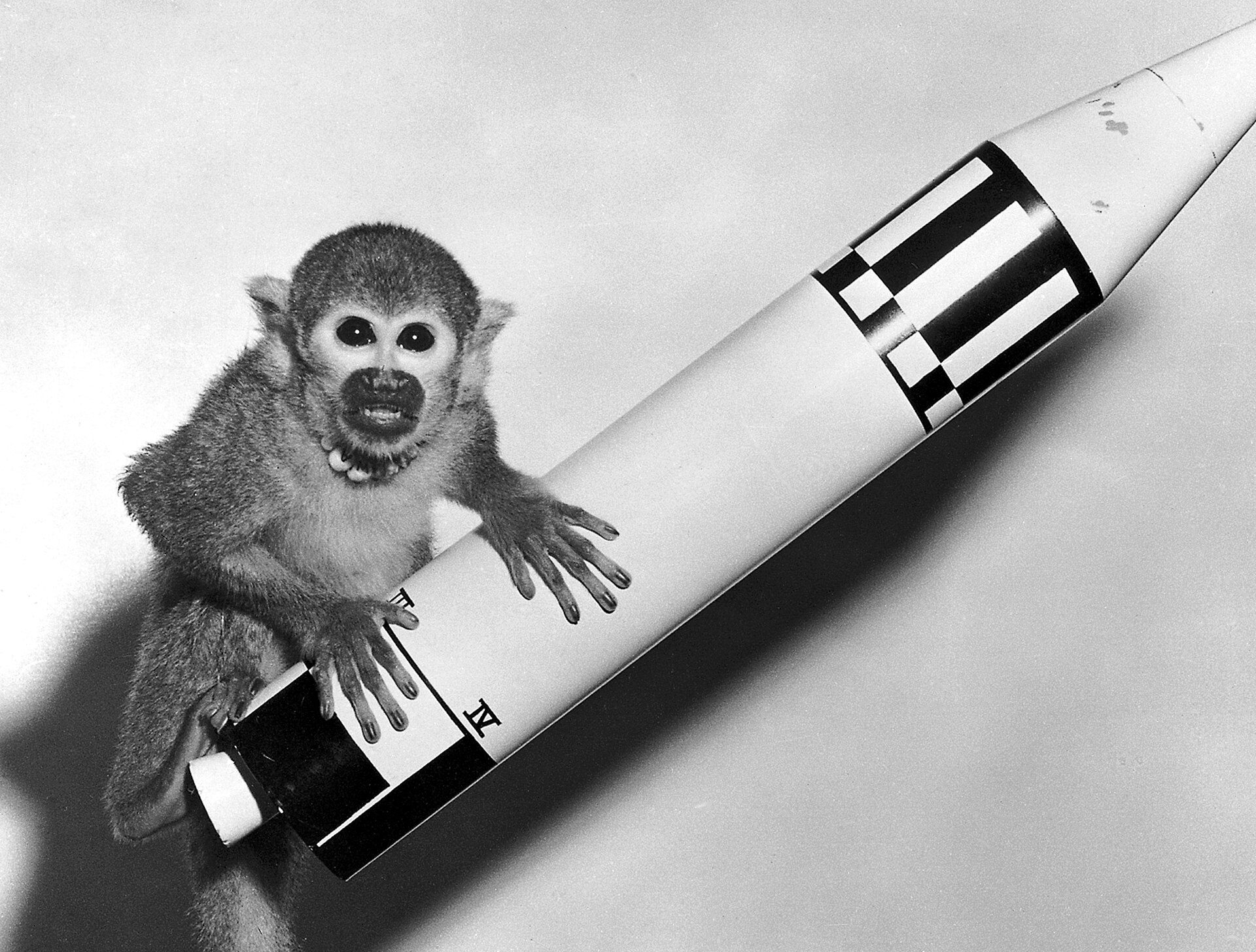
First animals sent into space: fruit flies
The United States launches fruit flies aboard a V-2 rocket to study the effects of cosmic radiation on living organisms. The suborbital flight and recovery of the samples showed that space biology could be investigated experimentally before risking human lives.
These experiments began a long line of research involving animals, microorganisms, and plants. Before Yuri Gagarin or Alan Shepard, space exploration had to answer basic questions: what happens under radiation, acceleration, weightlessness, recovery, and to the behavior of organisms in environments beyond Earth's surface.
More information: https://en.wikipedia.org/wiki/Animals_in_space
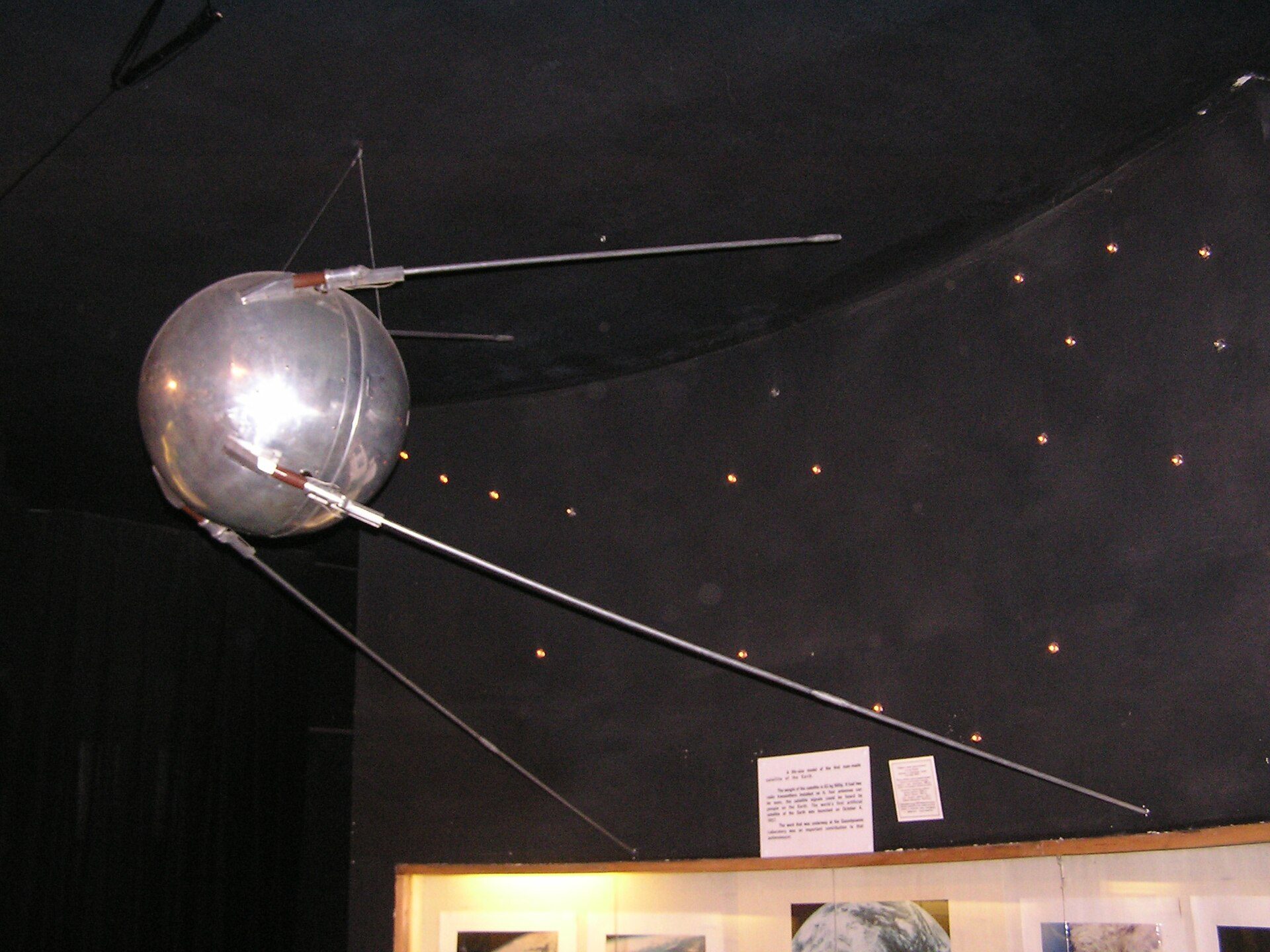
Launch of Sputnik 1
The Soviet Union launches Sputnik 1, the first artificial satellite in history. It was a relatively simple metal sphere with antennas and a radio transmitter, but its impact was enormous: for the first time, a human-made object orbited Earth continuously.
Sputnik officially opened the Space Age and turned Earth orbit into a new political, scientific, and technological arena. Its radio signals could be heard by stations around the world, reinforcing the sense that space was no longer an abstraction. It also accelerated the United States' response and triggered educational, scientific, and military reforms.
Technically, the satellite demonstrated the R-7 launch vehicle's ability to place mass in orbit. That capability was closely connected to intercontinental missile technology, so the scientific achievement immediately carried strategic significance. From that moment on, space exploration was shaped by the Space Race between two superpowers.
More information: https://en.wikipedia.org/wiki/Sputnik_1
Sputnik 2 and Laika
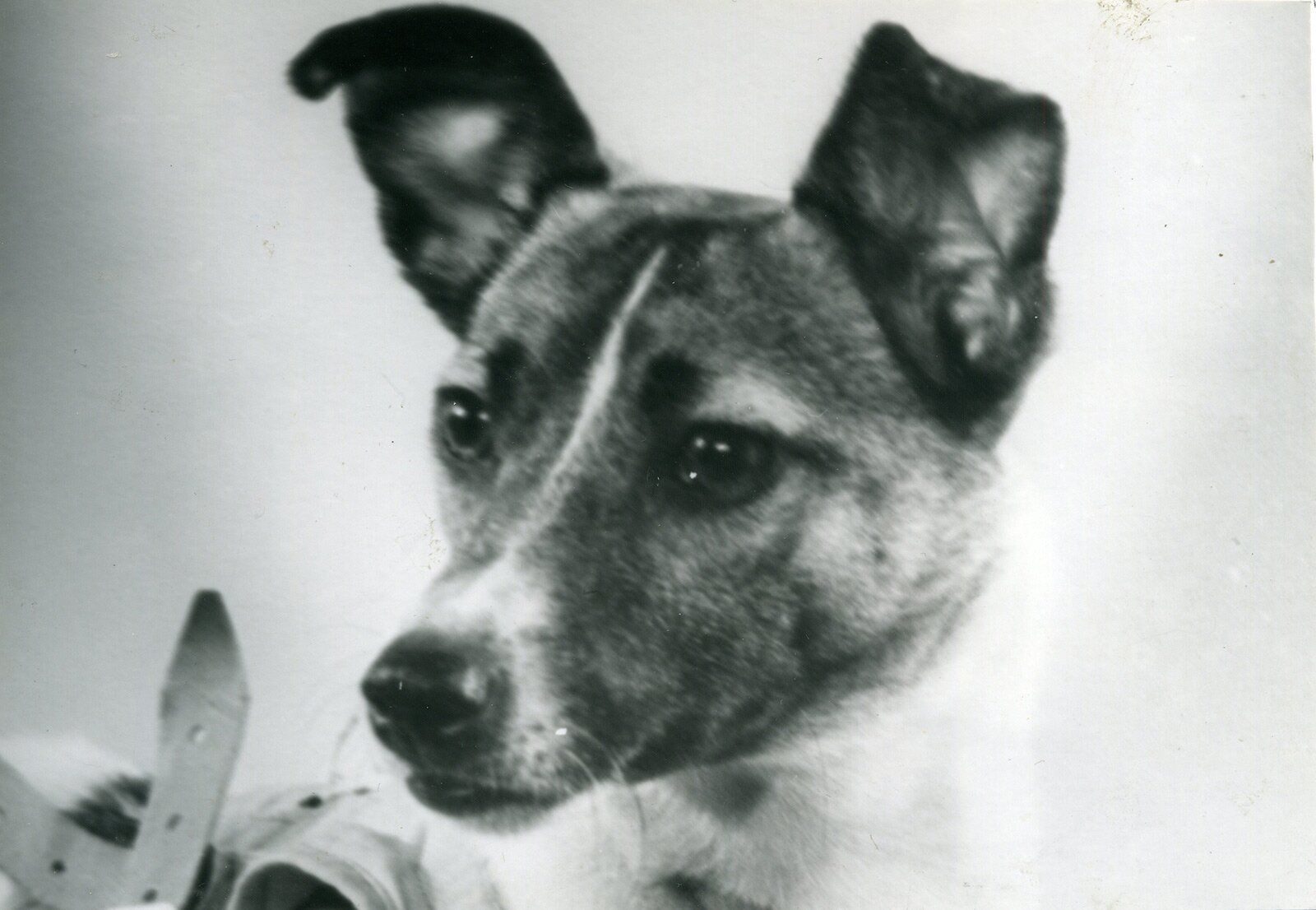
Sputnik 2 carries Laika, a stray dog from Moscow, who becomes the first living terrestrial being to orbit Earth. The mission collected data on how a complex organism responded to launch, acceleration, and the orbital environment, although Laika did not survive.
The episode is one of the best known and most debated in space history. It advanced space biomedicine, but it also raises ethical questions about animal experimentation and the political pressure of the Space Race. Years later, the official Soviet account of how long Laika survived was revised.
More information: https://en.wikipedia.org/wiki/Sputnik_2 | https://en.wikipedia.org/wiki/Laika
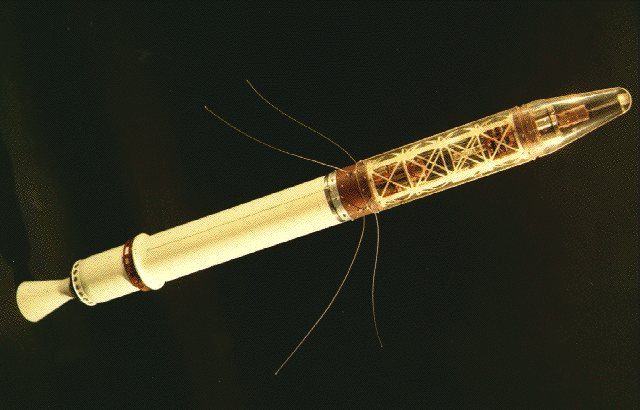
Explorer 1 and the discovery of the Van Allen belts
The United States launches Explorer 1, its first artificial satellite. Besides being a direct response to the Soviet success of Sputnik, the mission carried scientific instruments that detected regions of charged particles trapped by Earth's magnetic field: the Van Allen belts.
Explorer 1 had a dual significance. Politically, it showed that the United States could enter the orbital race. Scientifically, it demonstrated that satellites would not merely be prestige objects, but laboratories capable of discovering phenomena invisible from the surface. The magnetosphere then became a key field for understanding radiation, spacecraft protection, and the near-Earth space environment.
More information: https://en.wikipedia.org/wiki/Explorer_1 | https://en.wikipedia.org/wiki/Van_Allen_radiation_belt
Creation of NASA
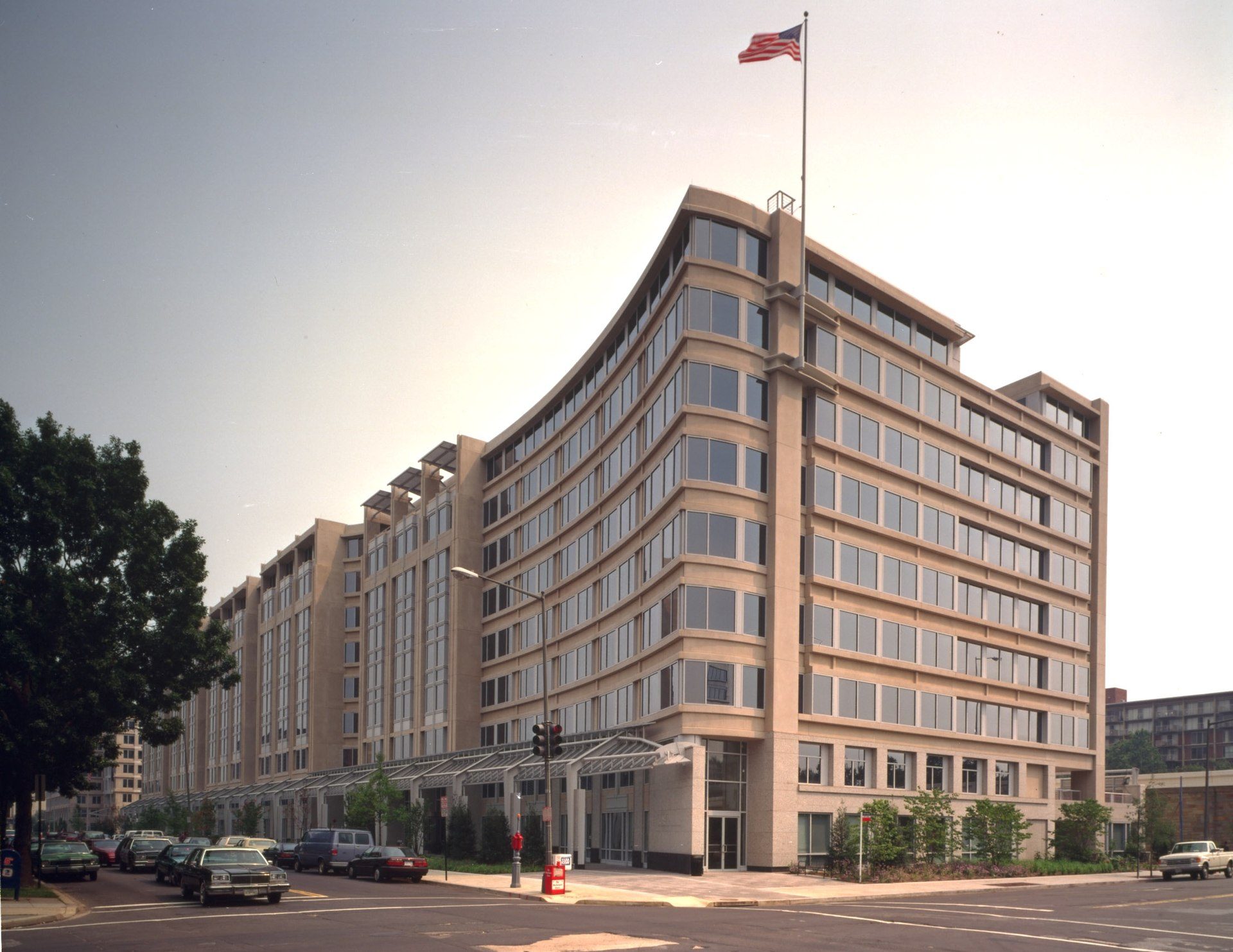
The National Aeronautics and Space Administration officially begins operations. It is created as a civilian U.S. agency to coordinate aeronautical and space research, absorbing the former NACA and organizing programs that would soon range from scientific satellites to human spaceflight.
NASA's creation was an institutional response to the impact of Sputnik and to the need to concentrate scientific, industrial, and political resources. Its civilian character was important: although the context was strategic and military, the agency presented itself as an instrument of exploration, research, and public cooperation.
More information: https://en.wikipedia.org/wiki/NASA | https://www.nasa.gov/history/60-years-and-counting/
Luna 1: first lunar flyby
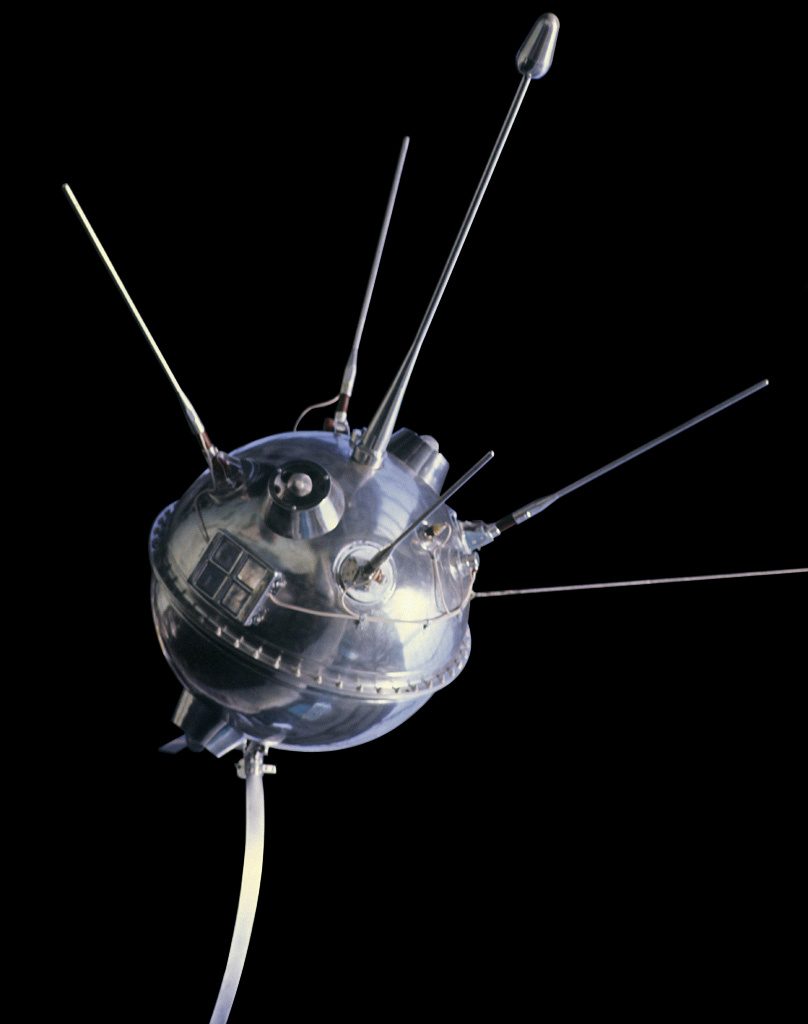
The Soviet probe Luna 1 becomes the first human-made object to escape Earth's gravity and pass near the Moon, although it did not strike the Moon as planned. It ultimately entered a heliocentric orbit around the Sun.
The mission showed that exploration beyond Earth orbit was possible. It also collected data on the solar wind and the interplanetary environment. Although technically a partial failure relative to its original objective, its outcome broadened the ambition of the Space Race: the Moon was no longer merely an imagined destination, but a target reachable by robotic probes.
More information: https://en.wikipedia.org/wiki/Luna_1
Luna 2: first impact on the Moon
Luna 2 reaches the lunar surface and becomes the first human-made object to arrive at another celestial body. It was not a soft landing but a controlled impact, yet it demonstrated the precision required to reach the Moon.
The mission confirmed that translunar trajectories could be calculated and executed with sufficient accuracy. In a context of intense propaganda, Luna 2 also had symbolic value: the Soviet Union had physically touched another world.
More information: https://en.wikipedia.org/wiki/Luna_2
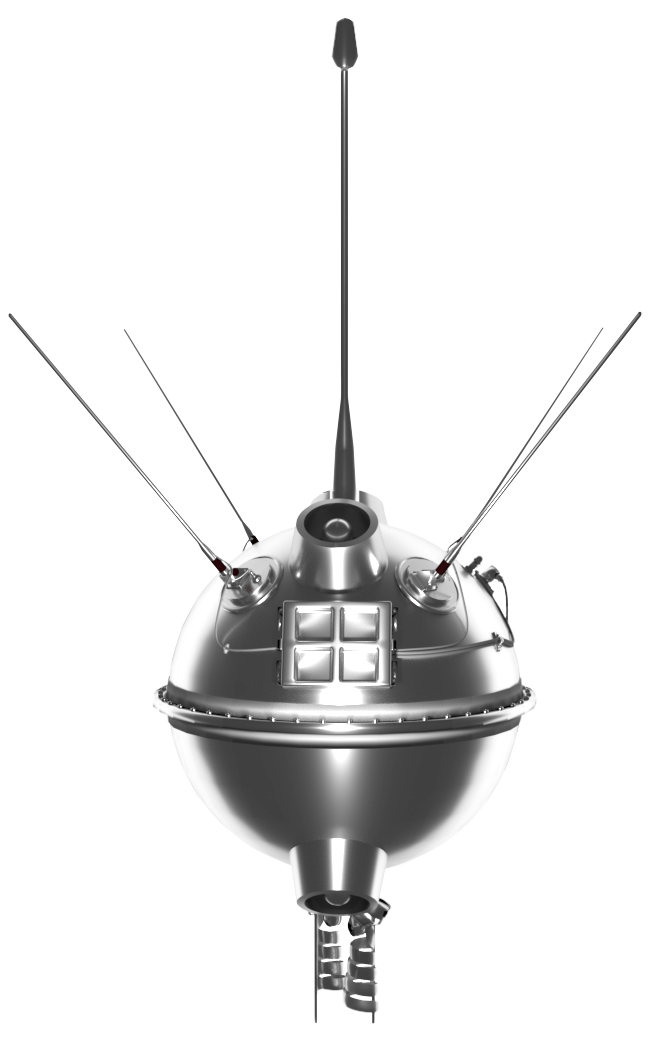
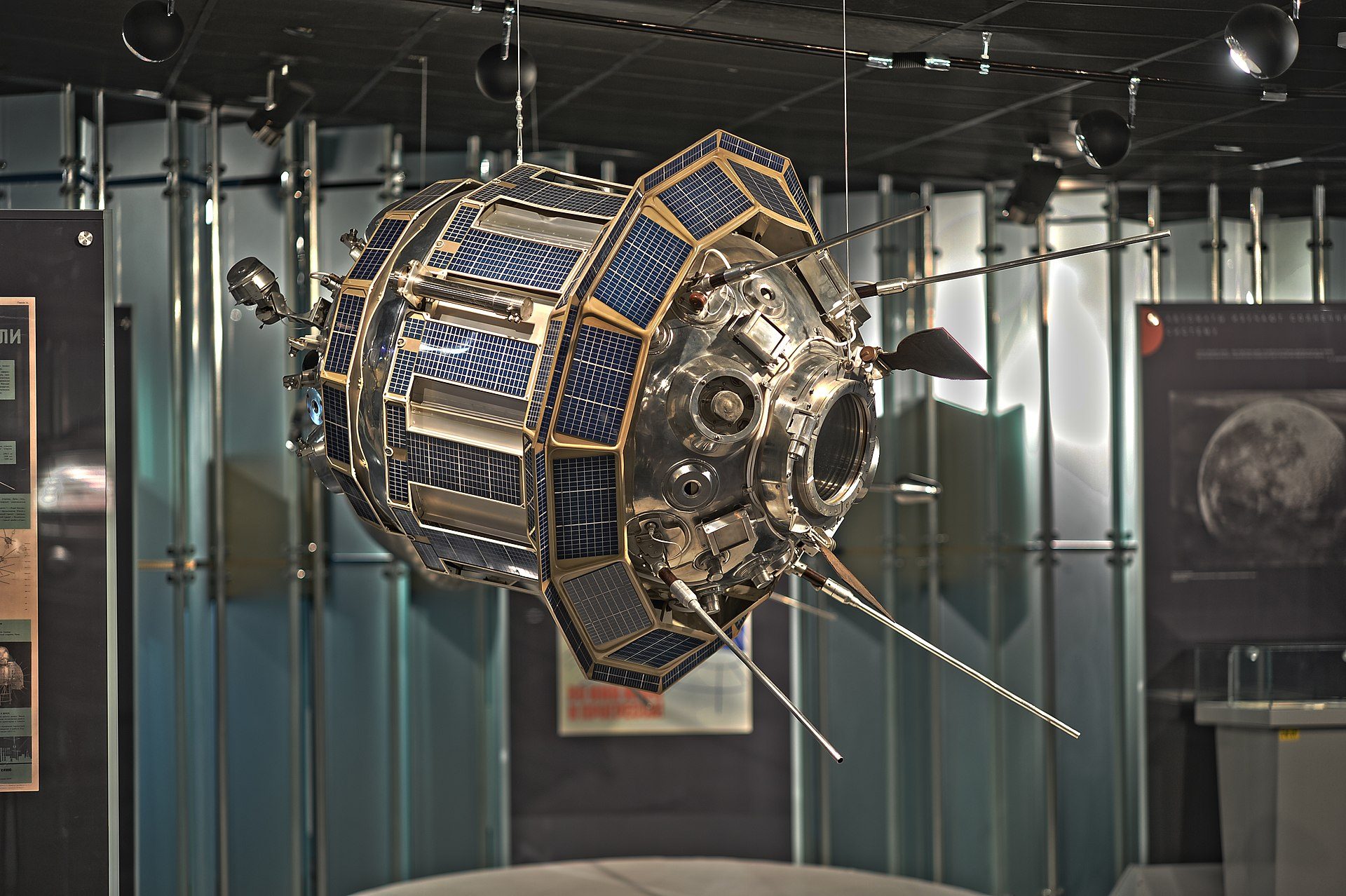
Luna 3 photographs the far side of the Moon
Luna 3 obtains the first images of the far side of the Moon, a region that can never be seen from Earth because of tidal locking. The photographs were blurry, but they revealed a surface with fewer lunar maria than the near side.
The achievement changed lunar cartography and demonstrated the power of robotic probes to literally expand humanity's field of view. From then on, exploring space also meant producing new images: maps, photographs, terrain profiles, and data that turned astronomical objects into specific places.
More information: https://en.wikipedia.org/wiki/Luna_3 | https://en.wikipedia.org/wiki/Far_side_of_the_Moon
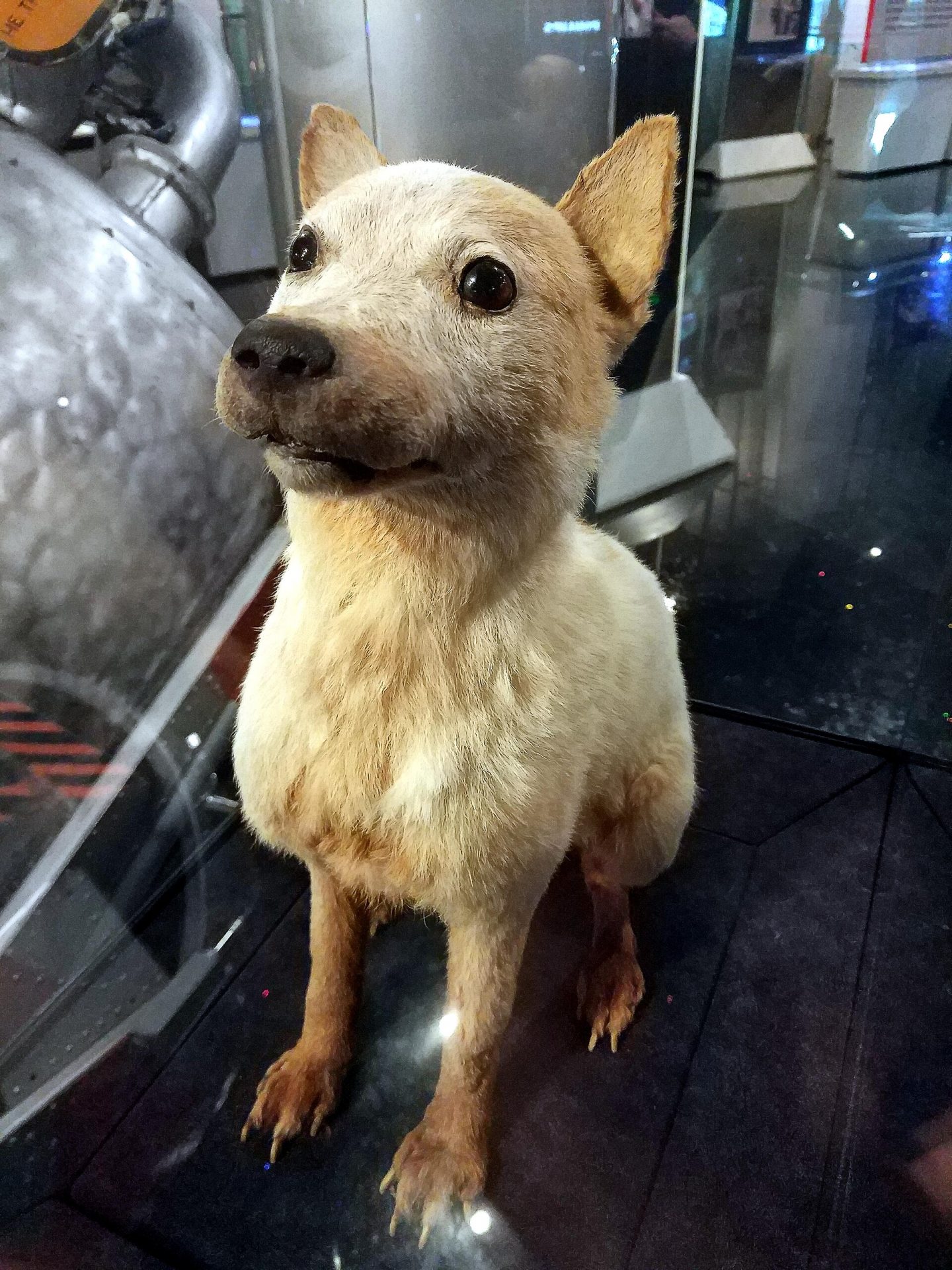
Belka and Strelka return alive from orbit
The Korabl-Sputnik 2 mission, known for carrying the dogs Belka and Strelka, successfully sends animals into Earth orbit and recovers them alive. It was a decisive step in validating life-support, reentry, and recovery systems before human flight.
The return of living organisms from orbit reduced uncertainty about the effects of weightlessness and reentry. It also showed that a capsule could survive atmospheric heating and be located after landing. Months later, that experience would directly support the Vostok program.
More information: https://en.wikipedia.org/wiki/Belka_and_Strelka
First human in space
Yuri Gagarin completes one orbit around Earth aboard Vostok 1 and becomes the first human to travel into space. The flight lasted less than two hours, but its historical importance was immense: it demonstrated that a person could survive launch, orbital weightlessness, and the return to Earth.
The mission was a technical and propaganda triumph for the Soviet Union. Vostok 1 lifted off from Baikonur, reached orbit, and reentered automatically. Gagarin did not pilot the spacecraft in the modern sense, but his presence transformed space exploration: space ceased to be solely the domain of satellites and probes and became a direct human experience.
The flight also opened a cultural dimension. Gagarin became a global symbol associated with youth, scientific daring, and technological capability. Historically, his mission forced the United States to accelerate its own human spaceflight program and helped turn the lunar objective into an urgent political goal.
More information: https://en.wikipedia.org/wiki/Vostok_1 | https://en.wikipedia.org/wiki/Yuri_Gagarin

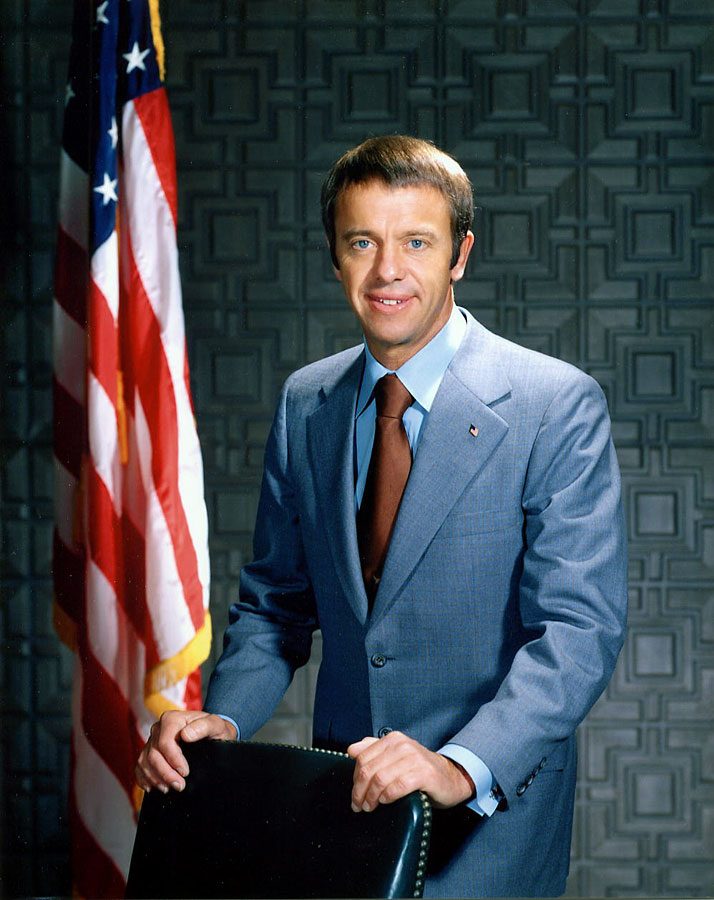
Alan Shepard makes the first U.S. spaceflight
Alan Shepard flies aboard the Freedom 7 capsule during the Mercury-Redstone 3 mission. It was a suborbital rather than orbital flight, but it made Shepard the first American to travel into space and showed that the United States could begin its own human spaceflight program.
The flight lasted about fifteen minutes and reached space before splashing down in the Atlantic. Although more limited than Gagarin's orbital mission, it validated launch procedures, communications, manual control, and recovery. Project Mercury was the first step in a progression that would lead to Gemini and Apollo.
More information: https://en.wikipedia.org/wiki/Mercury-Redstone_3 | https://en.wikipedia.org/wiki/Alan_Shepard
Valentina Tereshkova, first woman in space
Valentina Tereshkova flies aboard Vostok 6 and becomes the first woman to travel into space. She completed dozens of orbits around Earth, and her mission had enormous symbolic impact during the Space Race.
The flight demonstrated that women could also participate in orbital missions, although genuine equality in astronaut and cosmonaut corps would take decades to advance. Tereshkova remains a central figure for understanding the social and political dimension of space exploration.
More information: https://en.wikipedia.org/wiki/Vostok_6 | https://en.wikipedia.org/wiki/Valentina_Tereshkova

Alexei Leonov performs the first spacewalk
Alexei Leonov performs the first extravehicular activity in history during the Voskhod 2 mission. He left the spacecraft attached by a tether and remained outside for several minutes, inaugurating a practice that would later become essential for space stations, orbital repairs, and the assembly of large structures.
The spacewalk was far from routine: the suit expanded in the vacuum more than expected, and Leonov struggled to return to the airlock. The mission showed that working outside a spacecraft was possible, but also extremely complex. From then on, spacesuits and EVA procedures became critical systems.
More information: https://en.wikipedia.org/wiki/Voskhod_2 | https://en.wikipedia.org/wiki/Alexei_Leonov
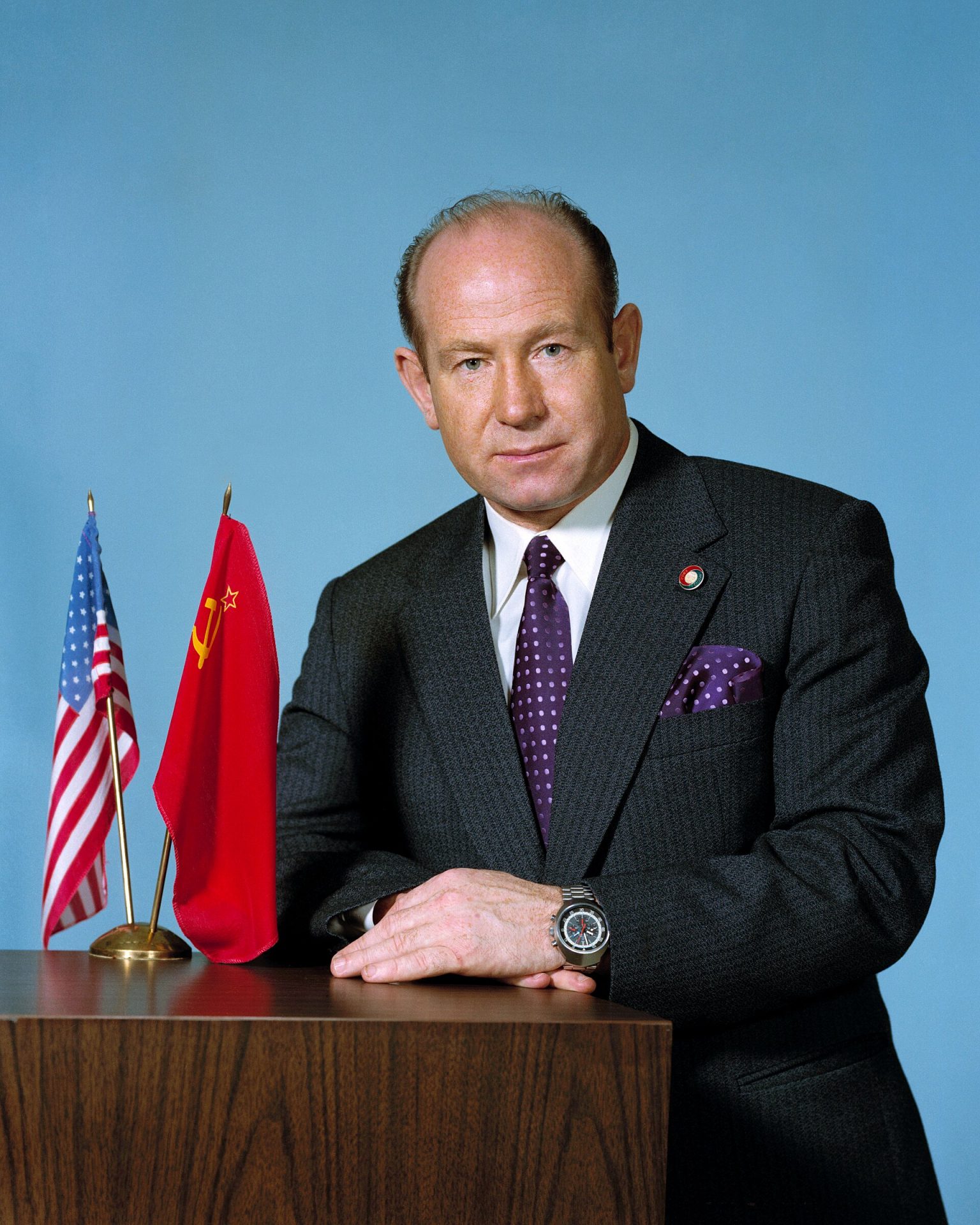
Luna 9 achieves the first soft landing on the Moon
The Soviet probe Luna 9 performs the first soft landing on the Moon and transmits images from the surface. Until then, reaching the Moon had meant flying past it or crashing into it; Luna 9 demonstrated that a vehicle could survive the descent and operate on the ground.
The soft landing was essential preparation for robotic and human exploration. The images confirmed characteristics of the lunar soil and helped dispel extreme fears that the surface could not support a spacecraft. The Moon was beginning to become a physical place where vehicles could land, take measurements, and remain.
More information: https://en.wikipedia.org/wiki/Luna_9
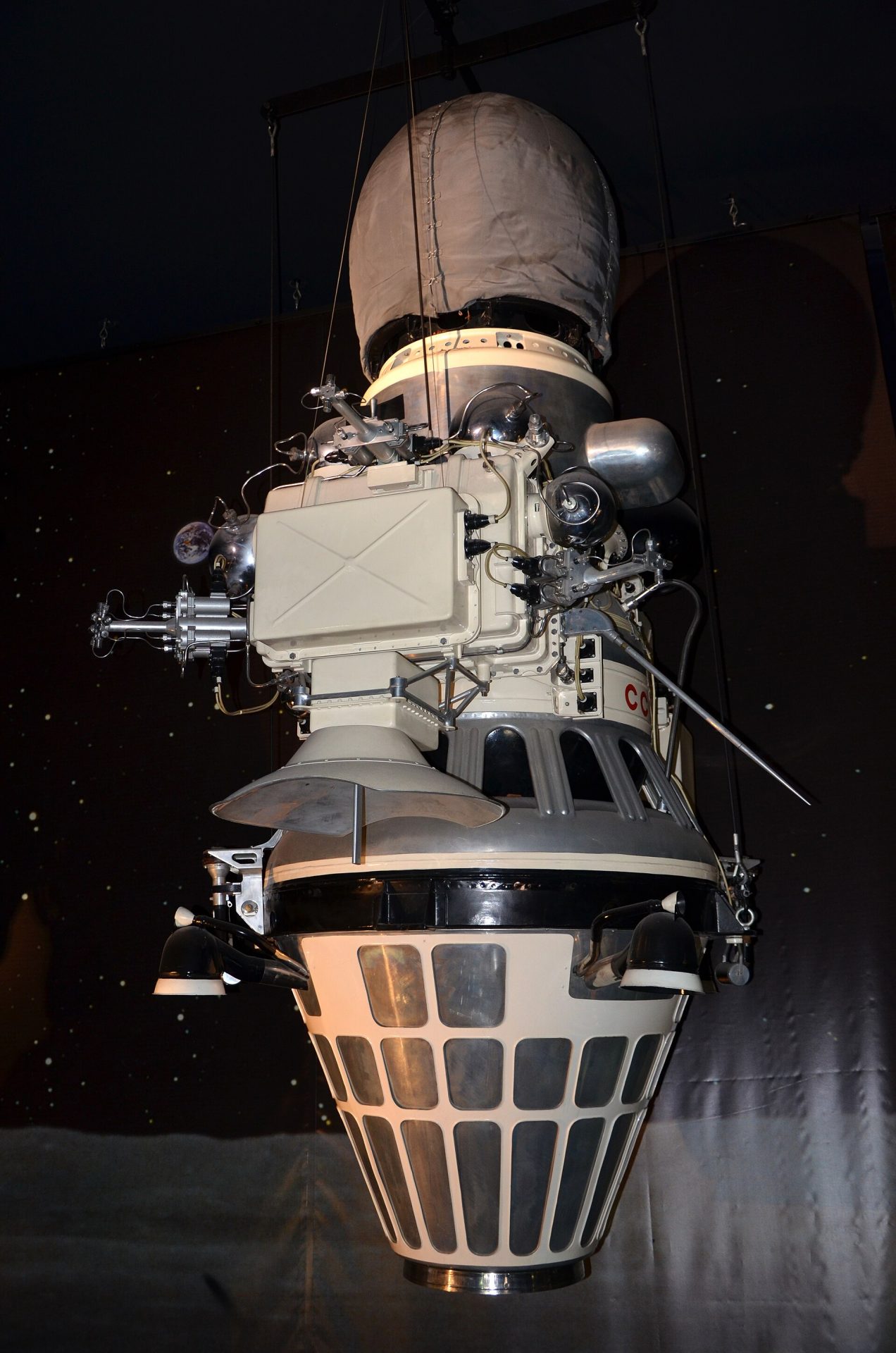
Apollo 8 orbits the Moon
Apollo 8 becomes the first crewed mission to leave Earth orbit, reach the Moon, and orbit it. Frank Borman, Jim Lovell, and William Anders completed ten lunar orbits and returned to Earth, demonstrating that the Apollo architecture could carry humans to the lunar environment.
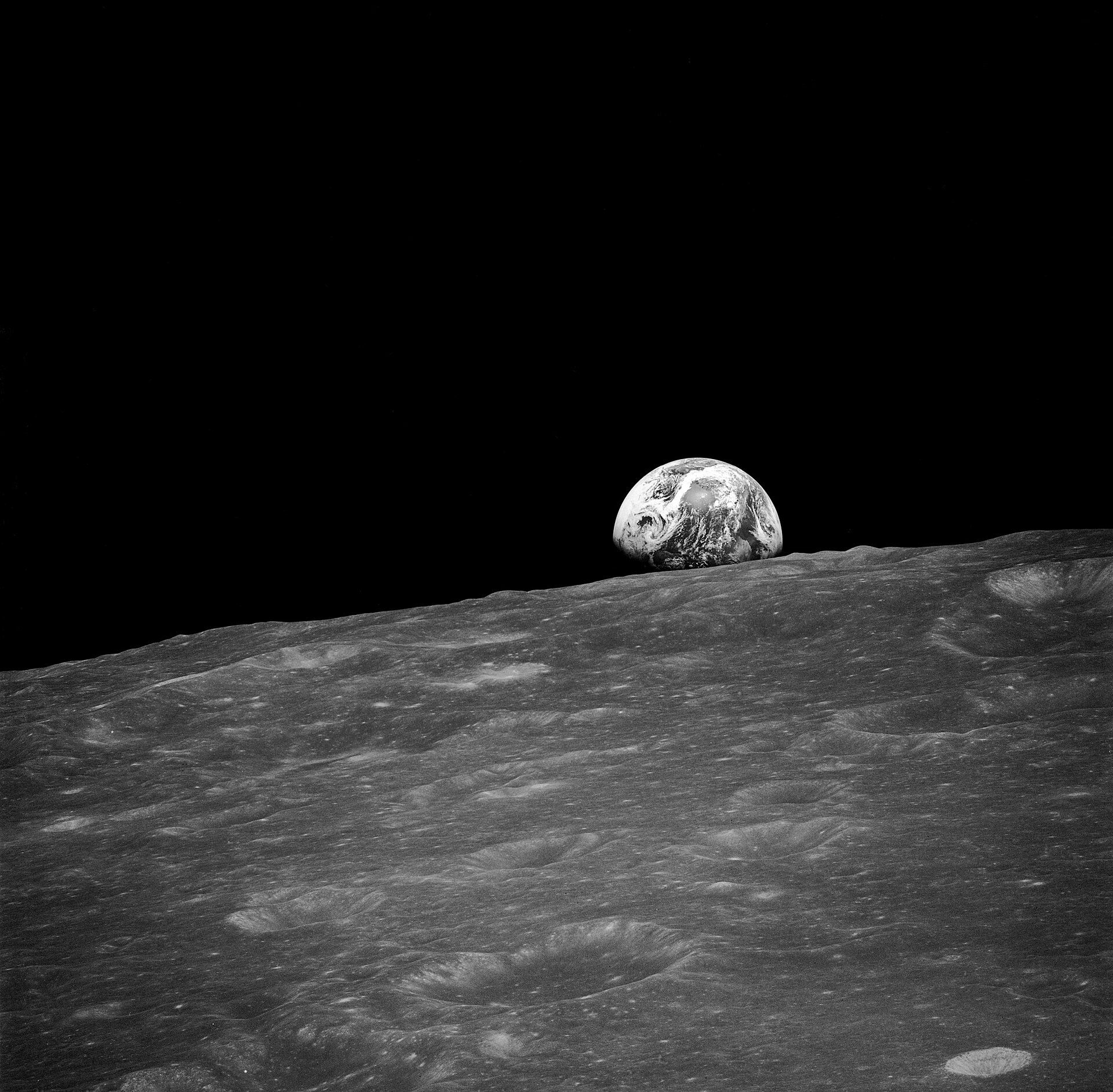
The mission was decisive both technically and culturally. It tested translunar navigation, deep-space communications, lunar orbit insertion maneuvers, and high-speed reentry. It also produced Earthrise, one of the most influential photographs of the twentieth century, showing Earth rising above the lunar horizon.
Apollo 8 did not land, but it made Apollo 11 possible. It showed that a crew could travel to another world, operate there, and return. It also changed public perception of the planet: from lunar distance, Earth appeared fragile, small, and shared.
More information: https://en.wikipedia.org/wiki/Apollo_8 | https://en.wikipedia.org/wiki/Earthrise
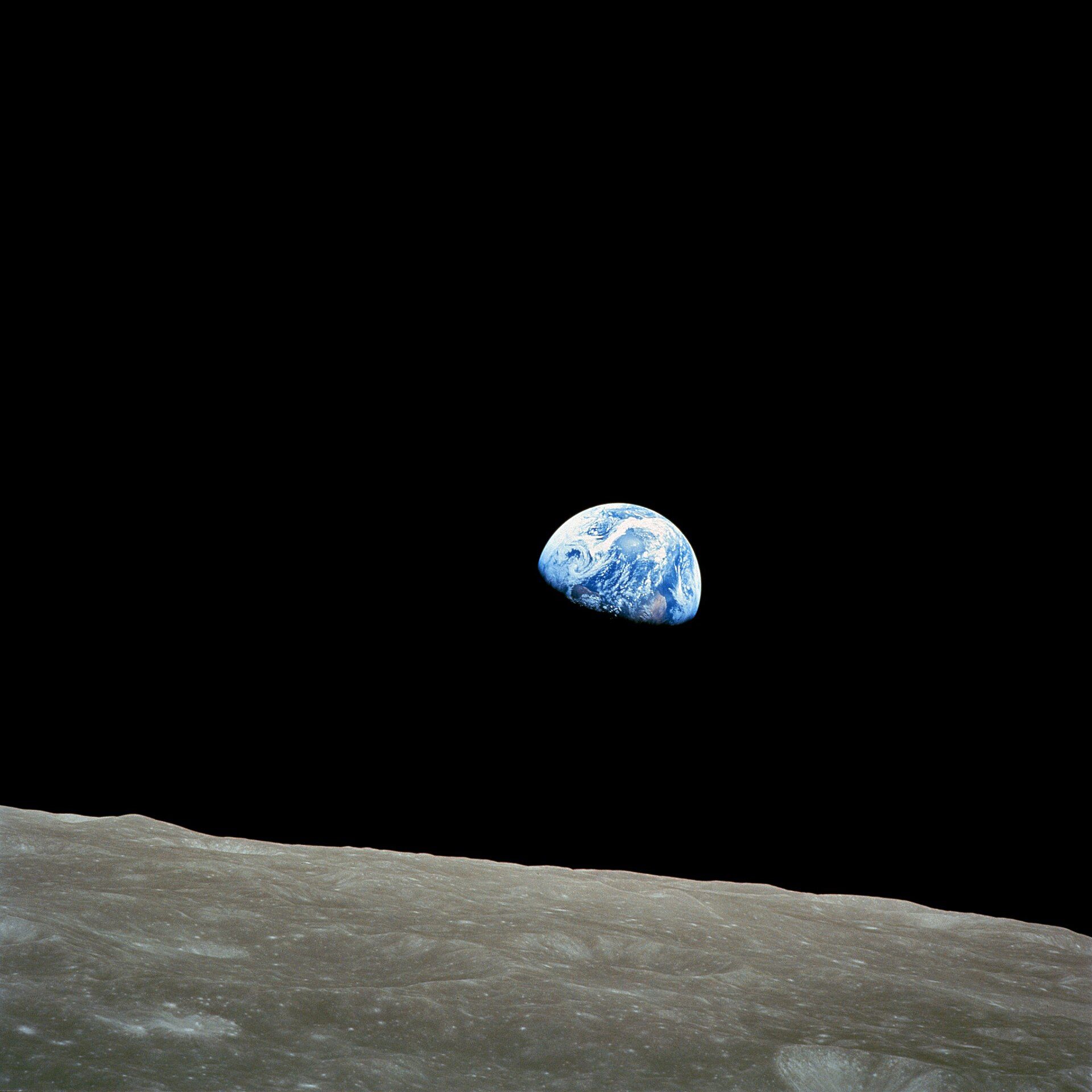
Apollo 11 mission
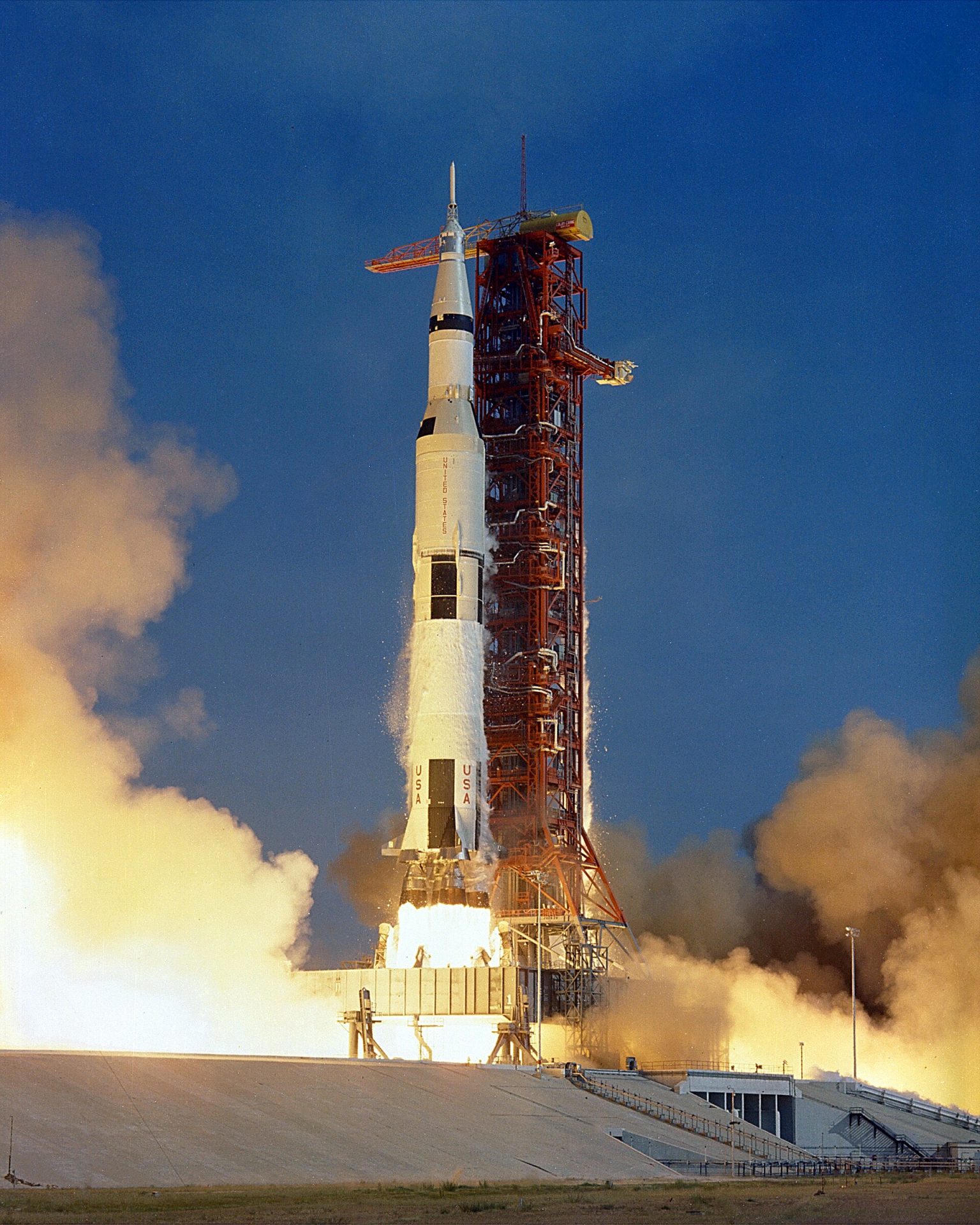
Apollo 11 was the mission that first carried humans to the lunar surface. Neil Armstrong, Buzz Aldrin, and Michael Collins lifted off on July 16, 1969, aboard a Saturn V rocket from Kennedy Space Center. After traveling to the Moon, Armstrong and Aldrin descended in the Eagle lunar module while Collins remained in lunar orbit aboard the Columbia command module.
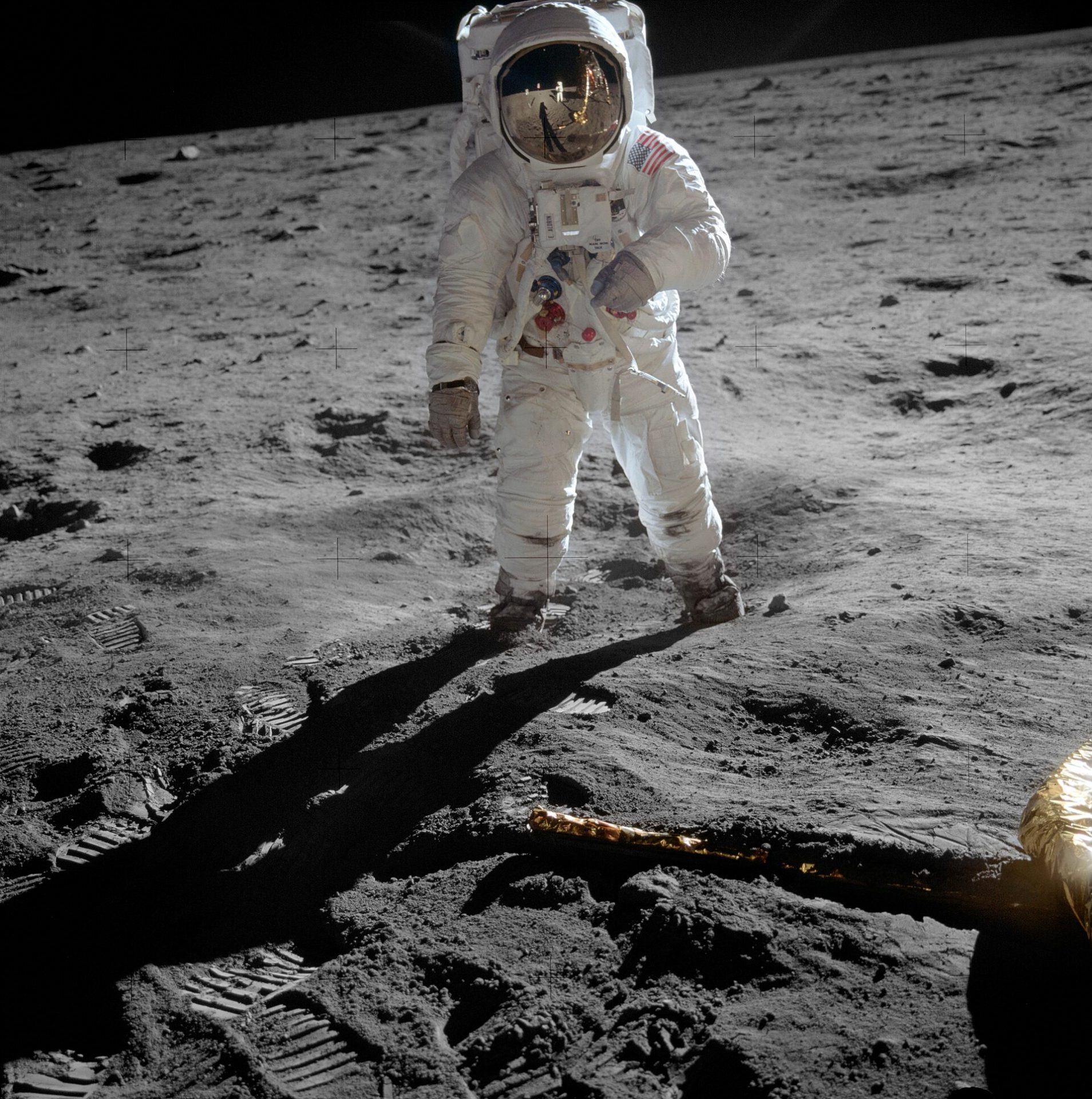
On July 20, 1969, Eagle landed in Mare Tranquillitatis. Armstrong's words as he stepped onto the Moon became one of the most recognizable quotations in modern history. During the extravehicular activity, Armstrong and Aldrin deployed scientific instruments, collected rock and regolith samples, took photographs, installed a laser reflector, and planted the United States flag. Their stay on the surface was brief compared with later missions, but its significance was immense.
Apollo 11's success resulted from an unprecedented industrial, scientific, and political mobilization. The Apollo program integrated guidance systems, navigation, onboard computing, propulsion, space medicine, communications, pressure suits, crew training, and a global tracking network. Each previous mission had reduced uncertainties: Mercury demonstrated that a person could fly in space, Gemini developed orbital maneuvers and spacewalks, and Apollo 8 proved that a crewed journey to the Moon was possible.
The mission was also a global media event. Millions of people watched the landing on television, and the Moon became a shared stage for humanity, although within a geopolitical competition strongly shaped by the Cold War. Apollo 11 did not bring lunar exploration to an end: it opened a series of missions that studied lunar geology in greater depth and helped establish the modern concept of crewed planetary exploration.
More information: https://www.nasa.gov/mission/apollo-11/ | https://en.wikipedia.org/wiki/Apollo_11
Related video: https://www.youtube.com/watch?v=S9HdPi9Ikhk
Technically, Apollo 11 depended on a chain of systems that had to function with almost no margin for error. The Saturn V had to deliver the correct mass onto the correct trajectory; the command module had to sustain the crew during the journey; and the lunar module had to separate, descend, land, lift off from the surface, and rendezvous with Columbia. Every phase had possible failure modes and contingency procedures rehearsed over many years.
Eagle's descent was especially tense. The guidance computer issued alarms during the approach, and Armstrong took semimanual control to avoid a boulder field. Very little fuel remained when the landing was confirmed. This episode shows that Apollo was not merely a victory of automated machinery: it was also a human operation in which training, judgment, and the ability to respond were decisive.
The mission brought lunar samples back to Earth, allowing scientists to study the Moon's age, composition, and origin. Apollo rocks helped strengthen the giant-impact hypothesis, according to which the Moon formed from material ejected after an early collision between Earth and a Mars-sized body. Experiments installed on the surface also continued to provide data after the astronauts had departed.
Apollo 11 is often remembered as a U.S. national achievement, but its legacy is broader. It demonstrated that an industrial society could organize an extreme engineering project, coordinate hundreds of thousands of people, and operate beyond Earth. It also created a permanent benchmark: since then, every lunar program has been measured, in one way or another, against Apollo.
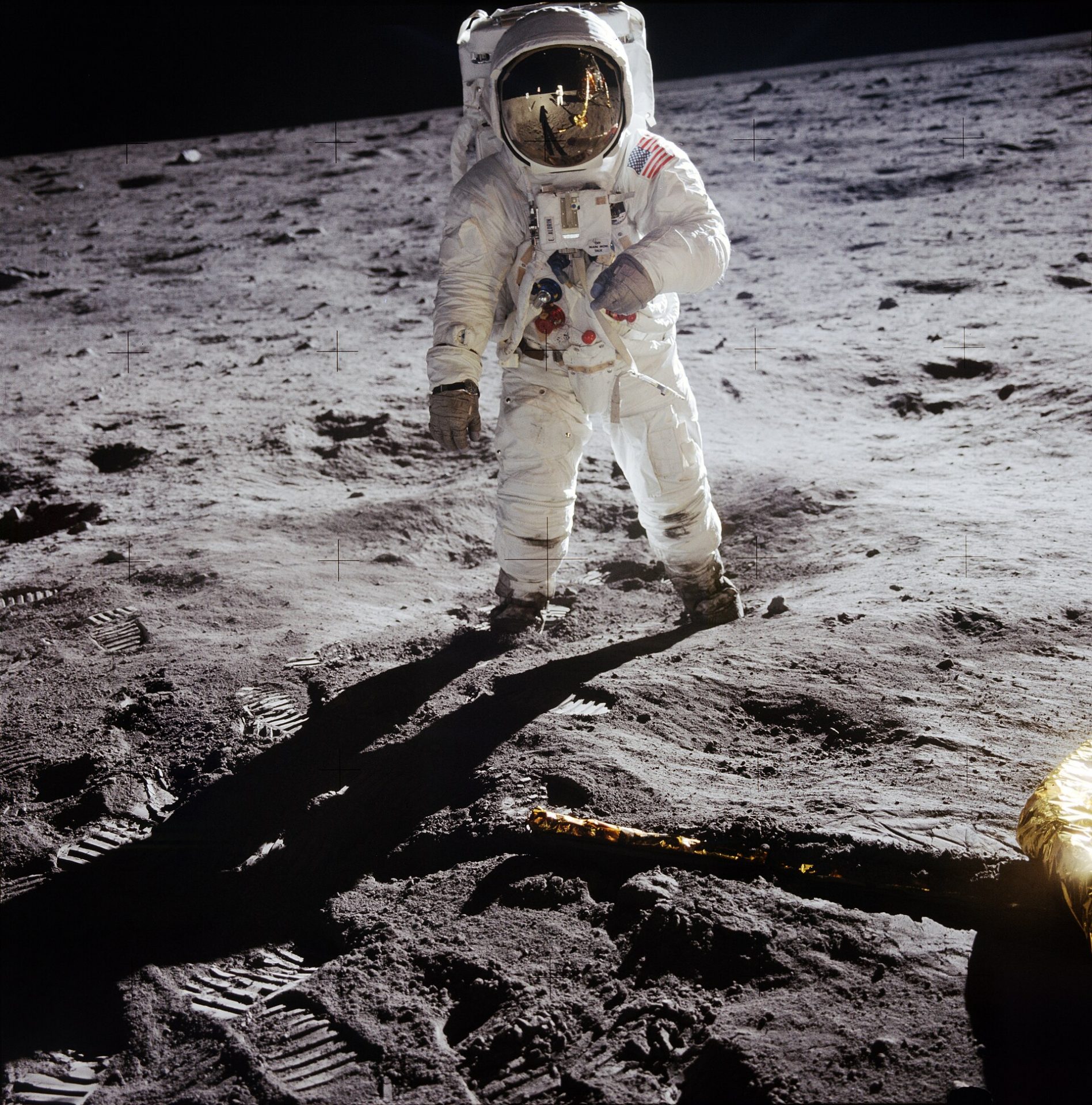
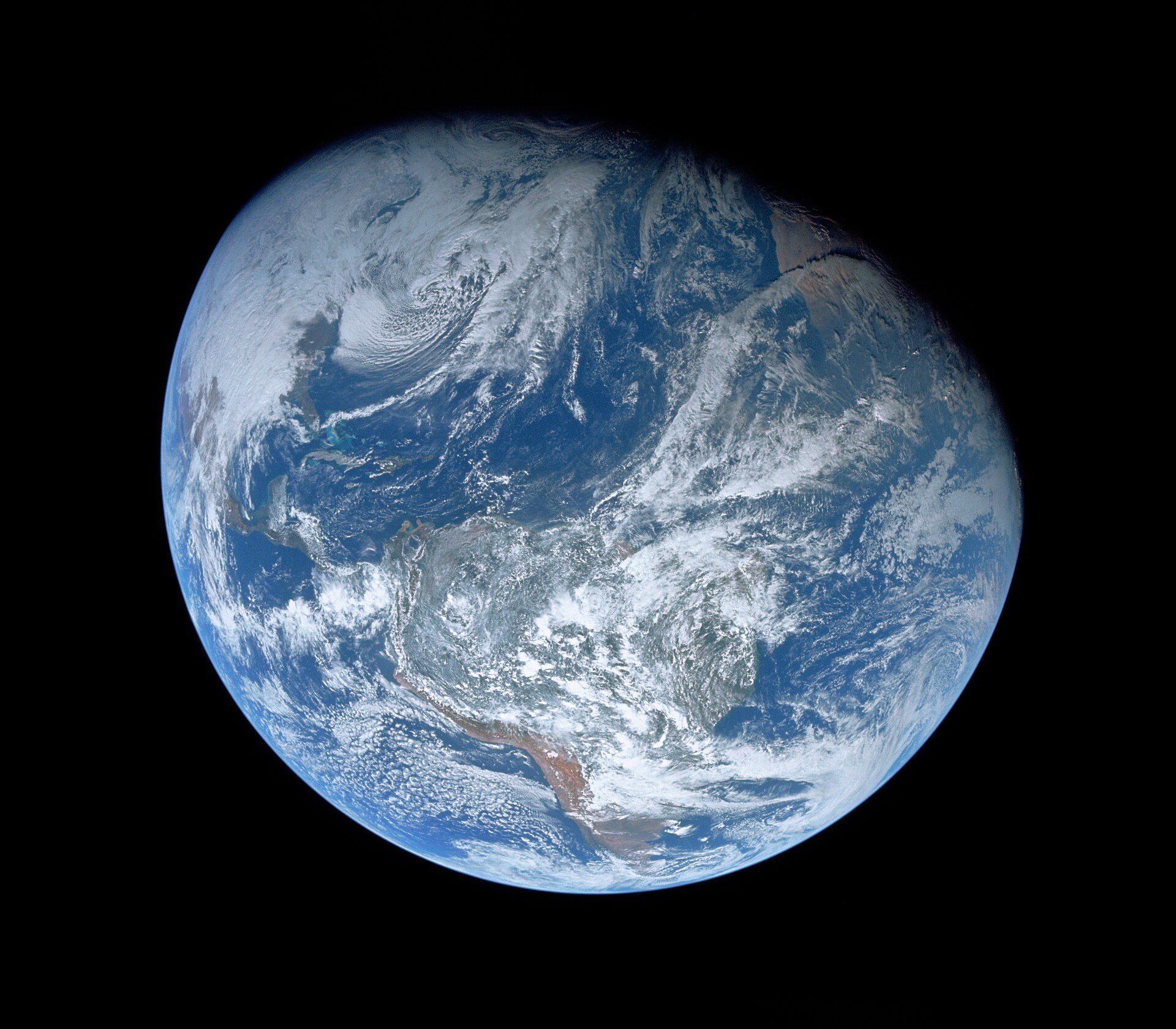
Soviet and Russian space stations
Between 1971 and 2001, the Soviet Union and later Russia developed a space-station tradition that transformed human spaceflight. From Salyut 1 to Mir, the goal evolved from proving that people could remain in orbit to learning how to live, maintain, repair, and operate space laboratories for months or years.
The Salyut stations enabled experiments with habitable modules, docking, long-duration stays, and Earth observation. Mir, launched in 1986, took the concept much further: it was a modular station expanded with different components, visited by international crews, and used as a laboratory for medicine, physics, biology, technology, and space cooperation.
This period was fundamental to the International Space Station. Many routine ISS practices—crew rotations, orbital maintenance, frequent dockings, emergency management, long-duration experiments, and cooperation among agencies—have direct precedents in Salyut and Mir. It also revealed the real problems of living in space: equipment degradation, fires, collisions, crew fatigue, and dependence on supplies from Earth.
More information: https://en.wikipedia.org/wiki/Salyut_program | https://en.wikipedia.org/wiki/Mir
Salyut 1, the first space station
The Soviet Union launches Salyut 1, the first space station in history. Its objective was to demonstrate that humans could live and work in orbit for longer periods than a capsule mission allowed.
The station had a short operational life and was marked by technical problems and tragedy. The Soyuz 11 crew managed to remain aboard for several weeks but died during the return to Earth when their capsule depressurized. Even so, Salyut 1 began a development line that led to more complex stations such as Salyut 6, Salyut 7, Mir, and the International Space Station.
More information: https://en.wikipedia.org/wiki/Salyut_1 | https://en.wikipedia.org/wiki/Soyuz_11
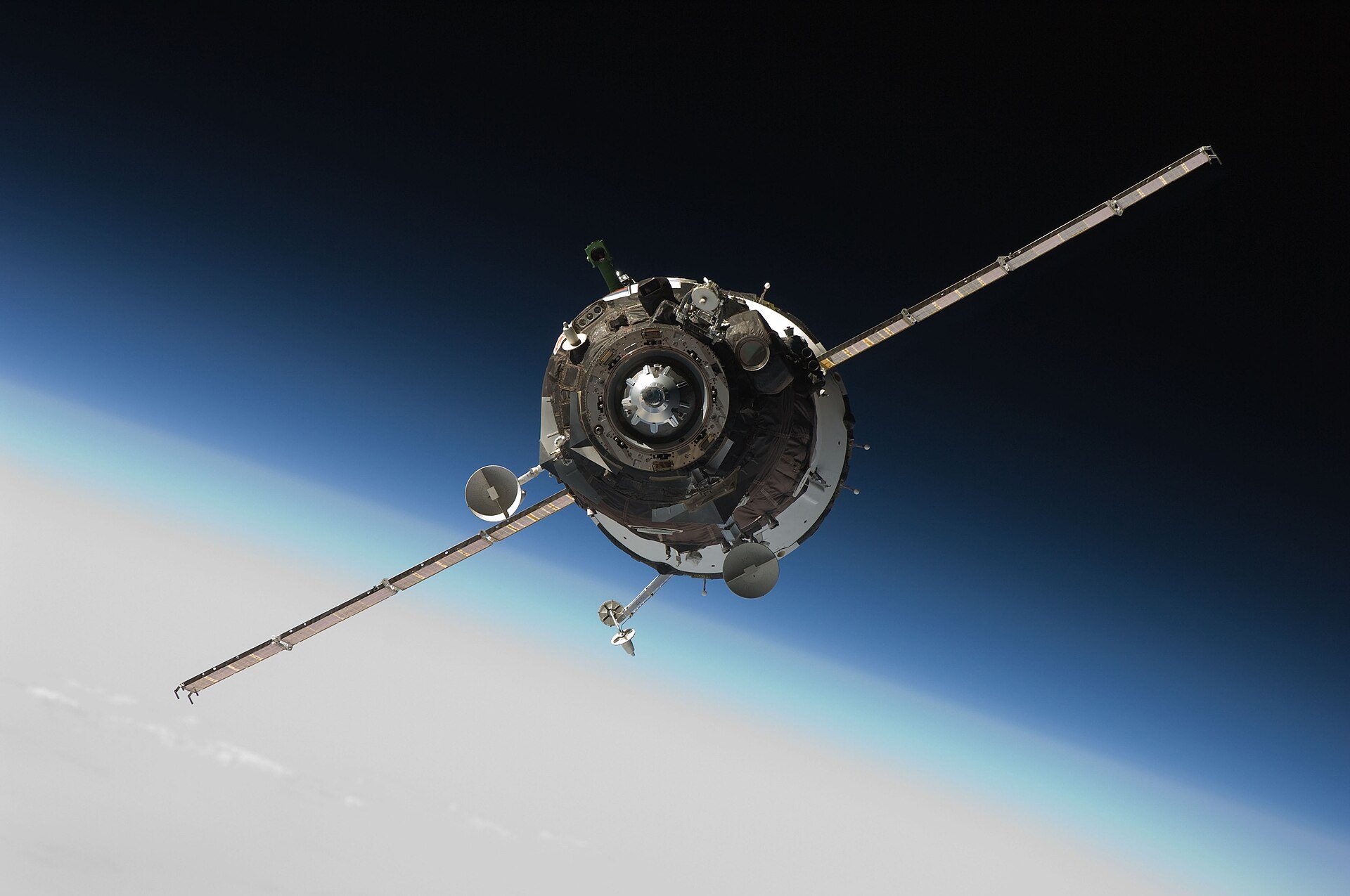
Mariner 9, the first spacecraft to orbit Mars
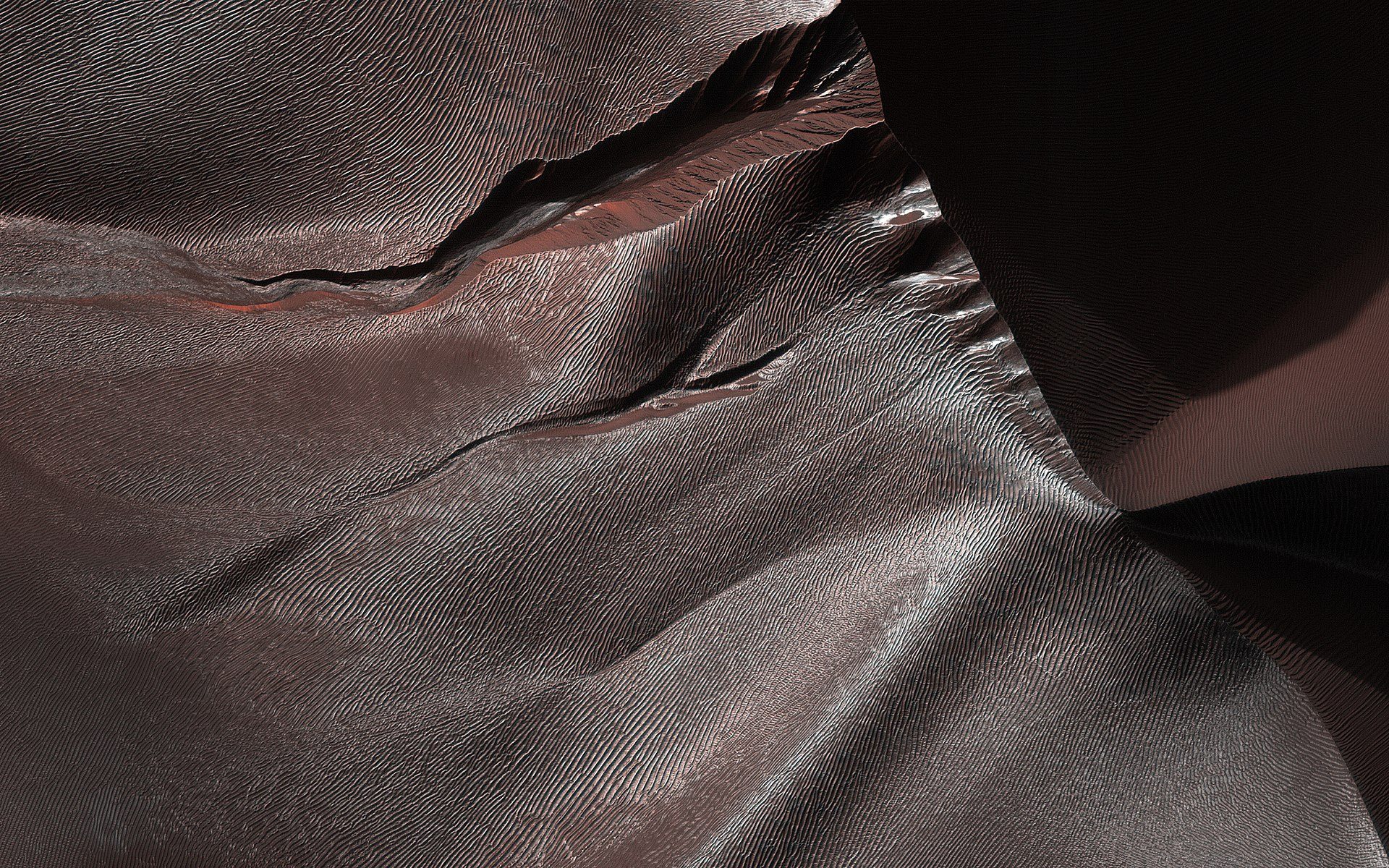
Mariner 9 becomes the first spacecraft to enter orbit around another planet. When it reached Mars, it encountered a global dust storm, but once the atmosphere cleared it obtained detailed images of volcanoes, canyons, craters, and ancient channels.
The mission transformed our view of Mars. Until then, many observations from Earth were ambiguous; Mariner 9 revealed a geologically complex planet with Olympus Mons, Valles Marineris, and evidence of ancient water-related processes. Mars exploration moved beyond telescopic speculation and became planetary mapping.
More information: https://en.wikipedia.org/wiki/Mariner_9 | https://en.wikipedia.org/wiki/Exploration_of_Mars
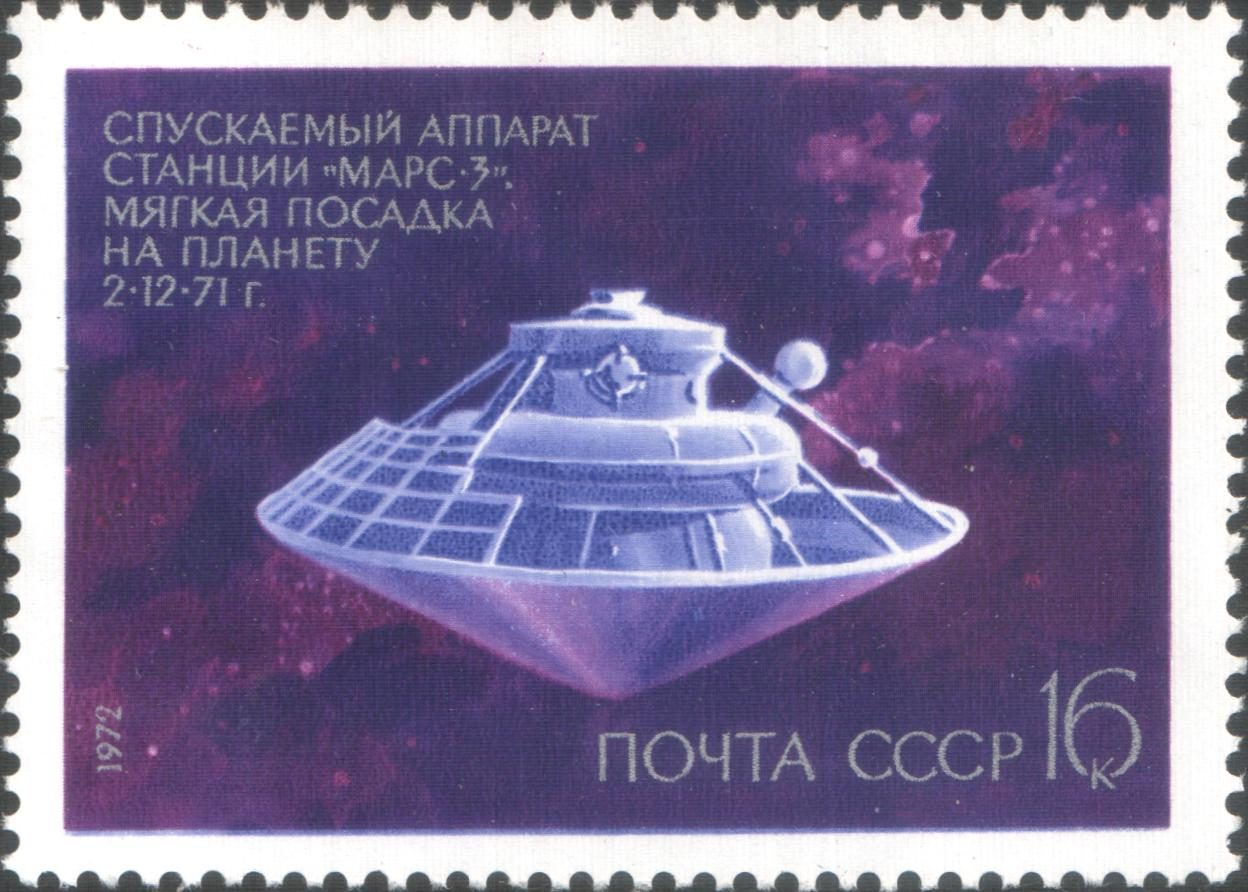
Mars 3 achieves the first soft landing on Mars
The Soviet probe Mars 3 achieves the first soft landing on Mars. The signal from the surface lasted only briefly, probably because of the extremely harsh atmospheric conditions and the global dust storm affecting the planet.
Although the data returned were limited, the milestone was important because Mars proved to be a much more difficult destination than it appeared. Atmospheric entry, descent, communications, dust, temperature, and landing required specific solutions. The later history of Mars exploration would be marked by a long list of partial successes and failures.
More information: https://en.wikipedia.org/wiki/Mars_3
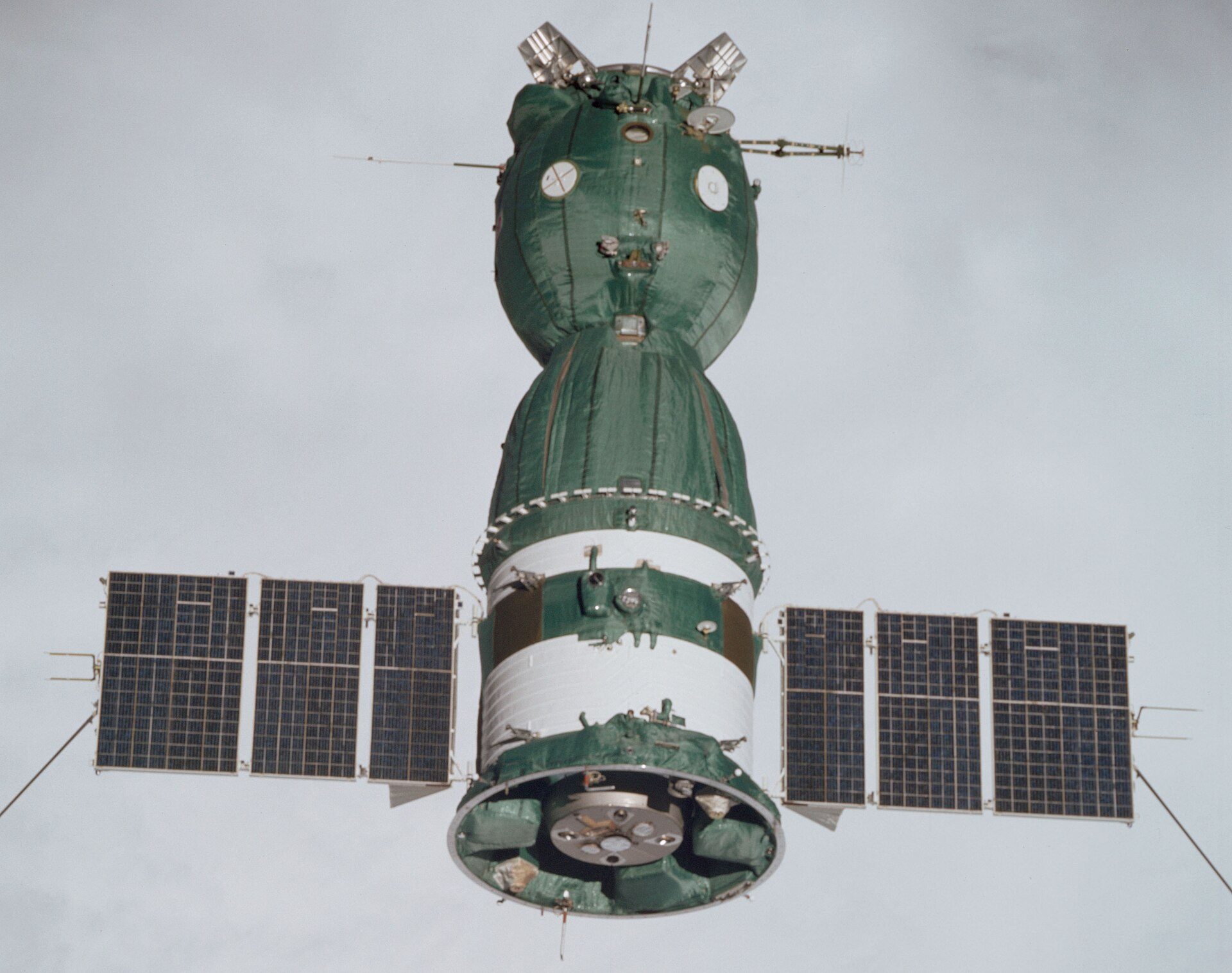
Apollo–Soyuz Test Project
The Apollo–Soyuz Test Project was the first joint crewed space mission between the United States and the Soviet Union. An Apollo spacecraft and a Soyuz docked in orbit, and their crews carried out joint activities.
The project had both technical and diplomatic dimensions. Technically, it required the development of compatible docking systems for programs designed independently. Diplomatically, it became a symbol of détente during the Cold War. Decades later, international cooperation aboard the ISS would find one of its most visible precedents in Apollo–Soyuz.
More information: https://en.wikipedia.org/wiki/ApolloSoyuz
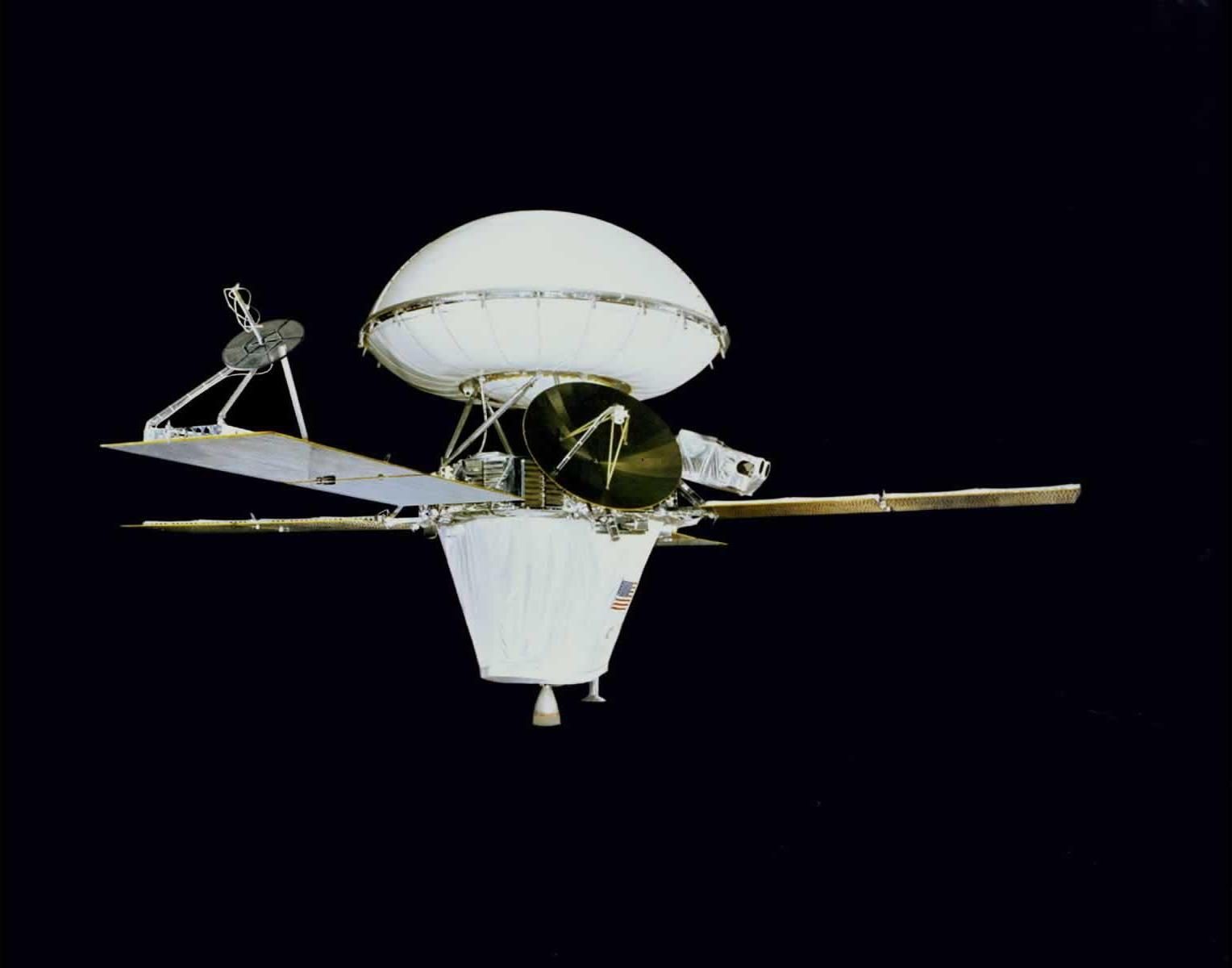
Viking 1 lands on Mars
Viking 1 completes the first successful U.S. landing on Mars and transmits images from the surface. It was part of a program that combined orbiters and landers designed to study the planet systematically.
The Viking missions searched for signs of life through biological experiments, analyzed the soil, atmosphere, and weather, and provided a far more accurate picture of Mars. Their results were complex: they did not confirm life, but they defined questions that remain active, including past habitability, the role of water, and the chemistry of Martian soil.
More information: https://en.wikipedia.org/wiki/Viking_1 | https://en.wikipedia.org/wiki/Viking_program
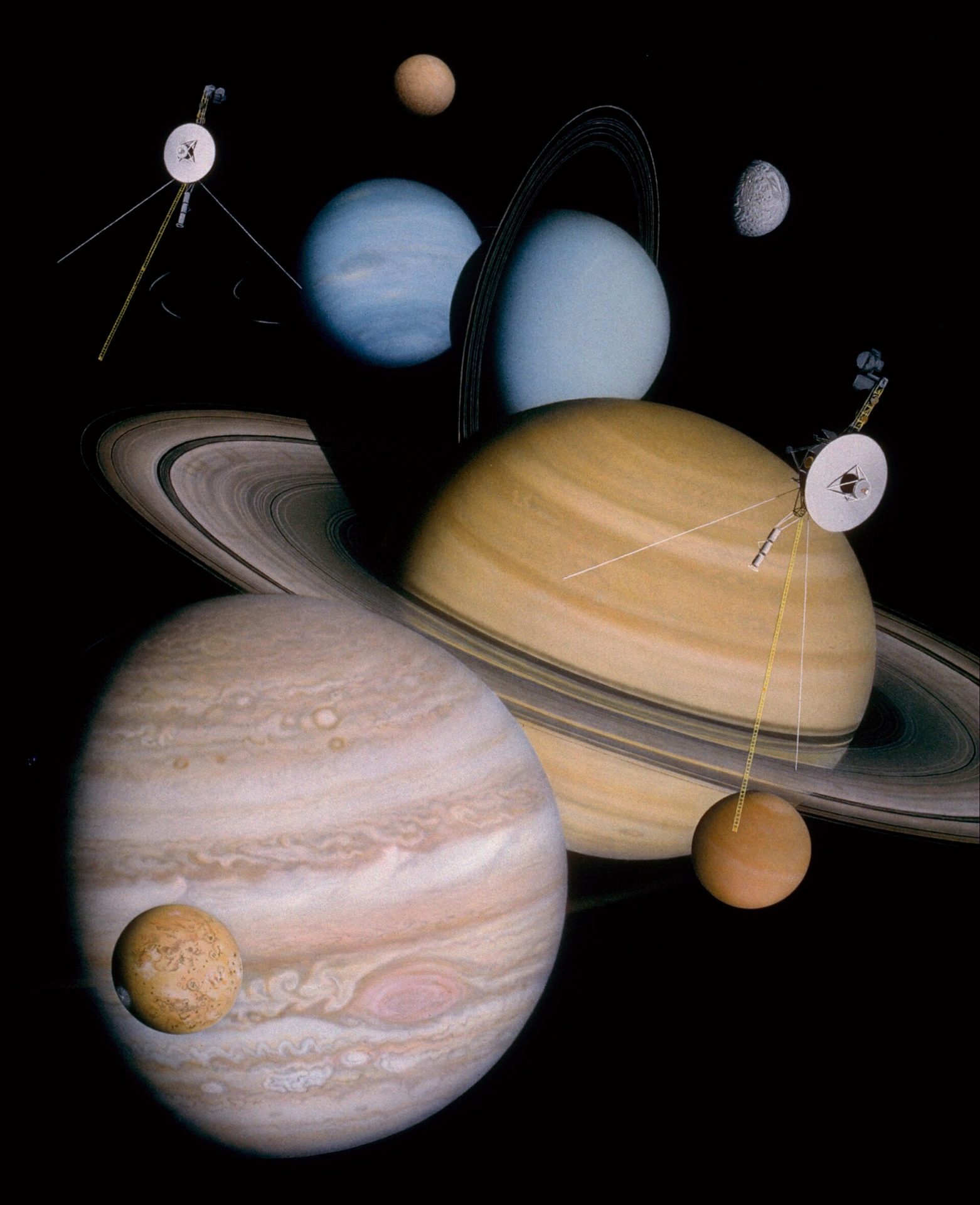
Launch of Voyager 2 and Voyager 1
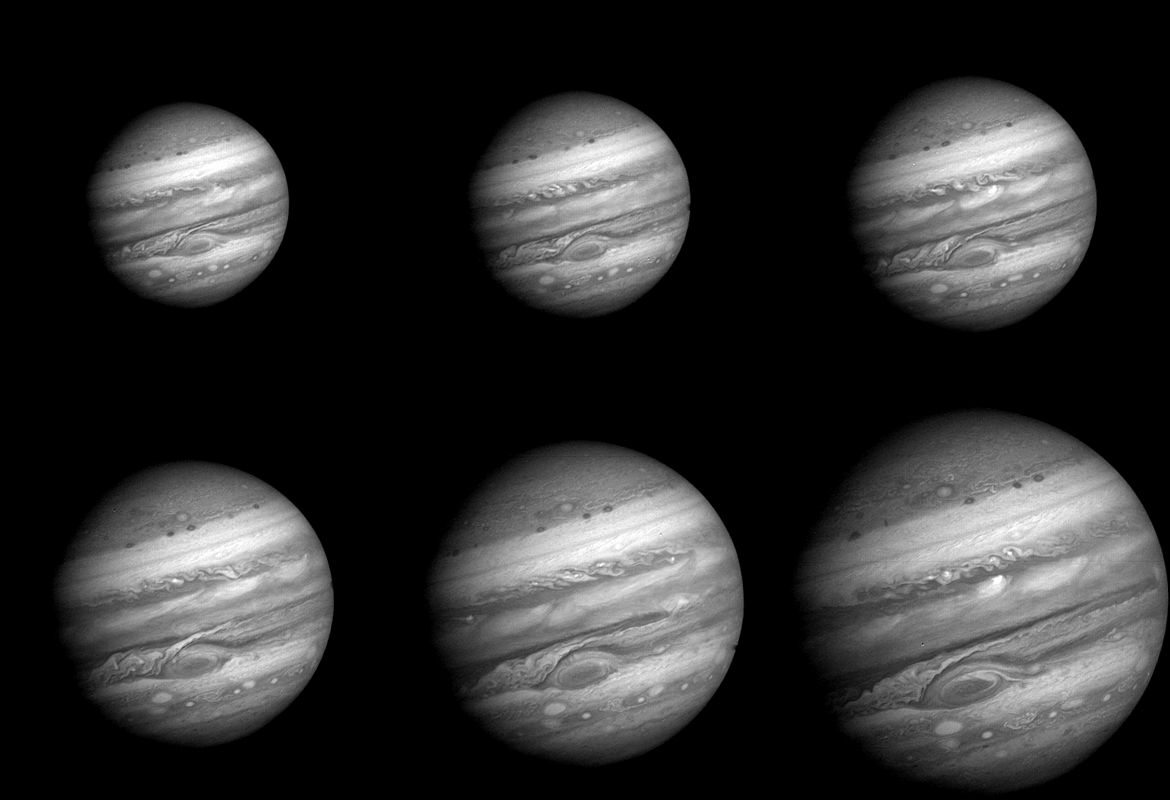
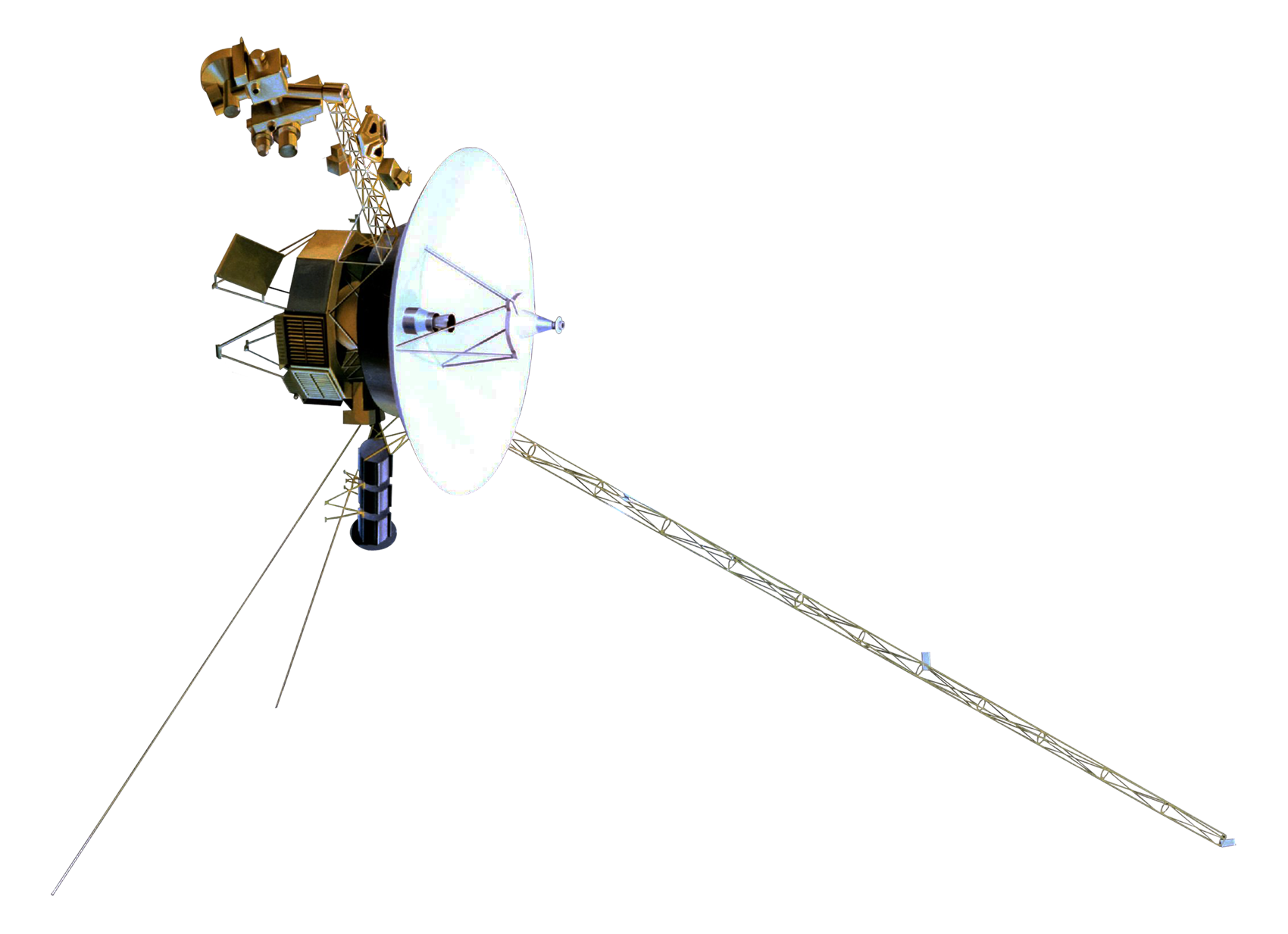
Voyager 2 and Voyager 1 are launched in 1977 to take advantage of a favorable planetary alignment. Although Voyager 2 lifted off first, Voyager 1 followed a faster trajectory. Together they carried out the Grand Tour of the outer planets and transformed knowledge of Jupiter, Saturn, Uranus, and Neptune.
The Voyagers discovered active volcanoes on Io, details of Saturn's rings, complex moons, powerful magnetospheres, and planetary systems far more dynamic than expected. Voyager 2 remains the only spacecraft to have visited Uranus and Neptune, making its data an irreplaceable reference for planetary science.
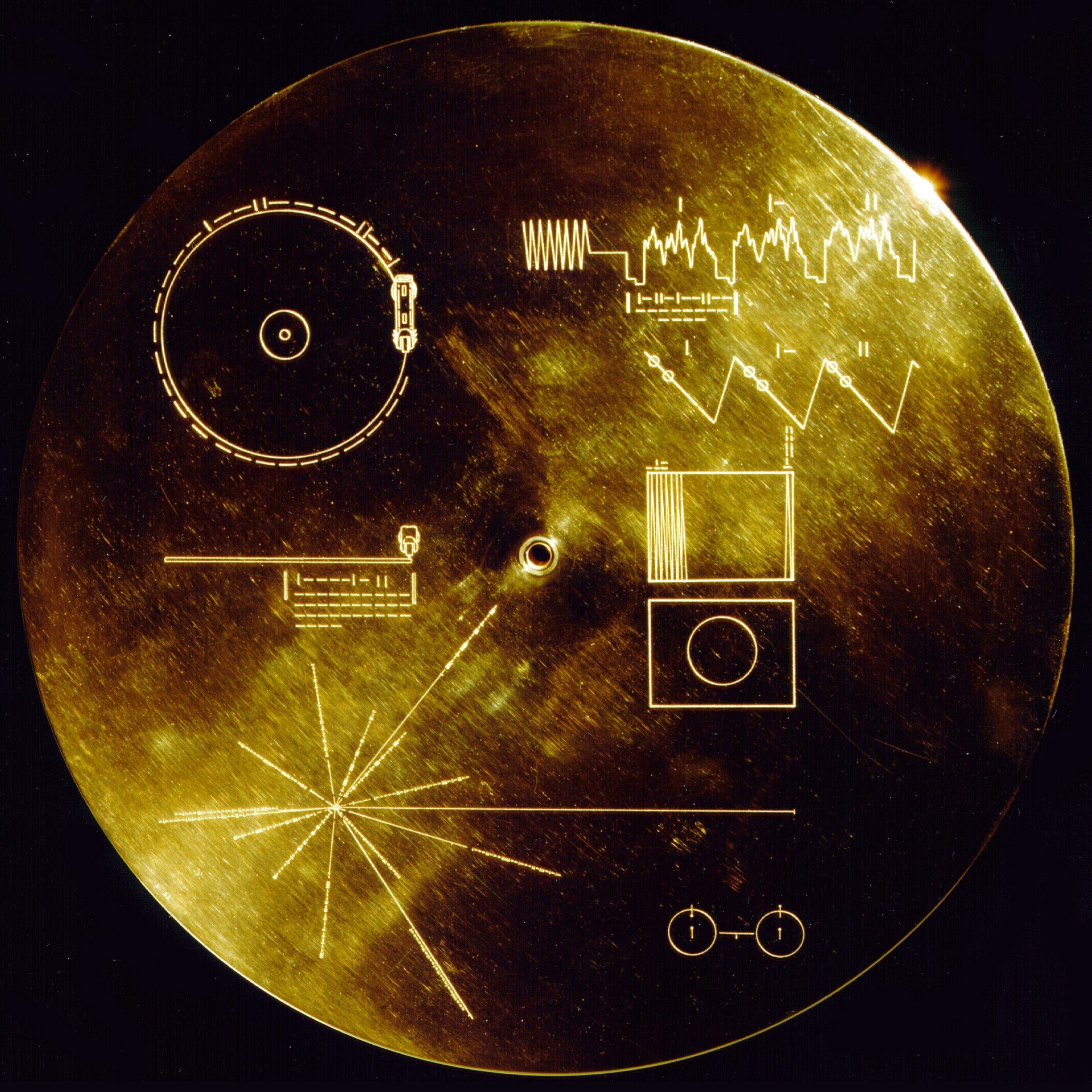
Beyond their scientific value, the Voyagers acquired a cultural dimension through the Golden Record, a symbolic message from Earth intended for any intelligence that might encounter the spacecraft in the future. Over time, both missions became explorers of the interstellar medium, extending the idea of exploration beyond the traditional Solar System.
More information: https://en.wikipedia.org/wiki/Voyager_program | https://en.wikipedia.org/wiki/Voyager_Golden_Record
The key to the mission was gravity assist. A rare alignment of the outer planets allowed a spacecraft to use the gravity of one planet to alter its trajectory and reach the next with far less fuel than a direct journey would have required. A comparable opportunity would not recur for a long time, making Voyager a scientifically urgent mission.
The Voyager instruments were designed to measure magnetic fields, particles, plasma, radio waves, atmospheres, images, and composition. Their data revealed that the giant planets are complete systems, not merely gaseous spheres: they have active moons, complex rings, extensive magnetospheres, and internal processes that continue to surprise scientists decades later.
The Pale Blue Dot image, taken by Voyager 1 in 1990, captured the mission's cultural impact. Earth appeared as a nearly lost point in a beam of light. The photograph contributed little new planetary data, but it offered a powerful philosophical perspective: everything human was reduced to a speck seen from the outer reaches of the inner Solar System.
The aging of the Voyagers is also part of their story. Mission teams have had to shut down instruments, conserve power, and communicate with extremely distant spacecraft using 1970s technology. Their survival turns space exploration into a decades-long relationship between a machine and the teams keeping it alive.
Space Shuttle program
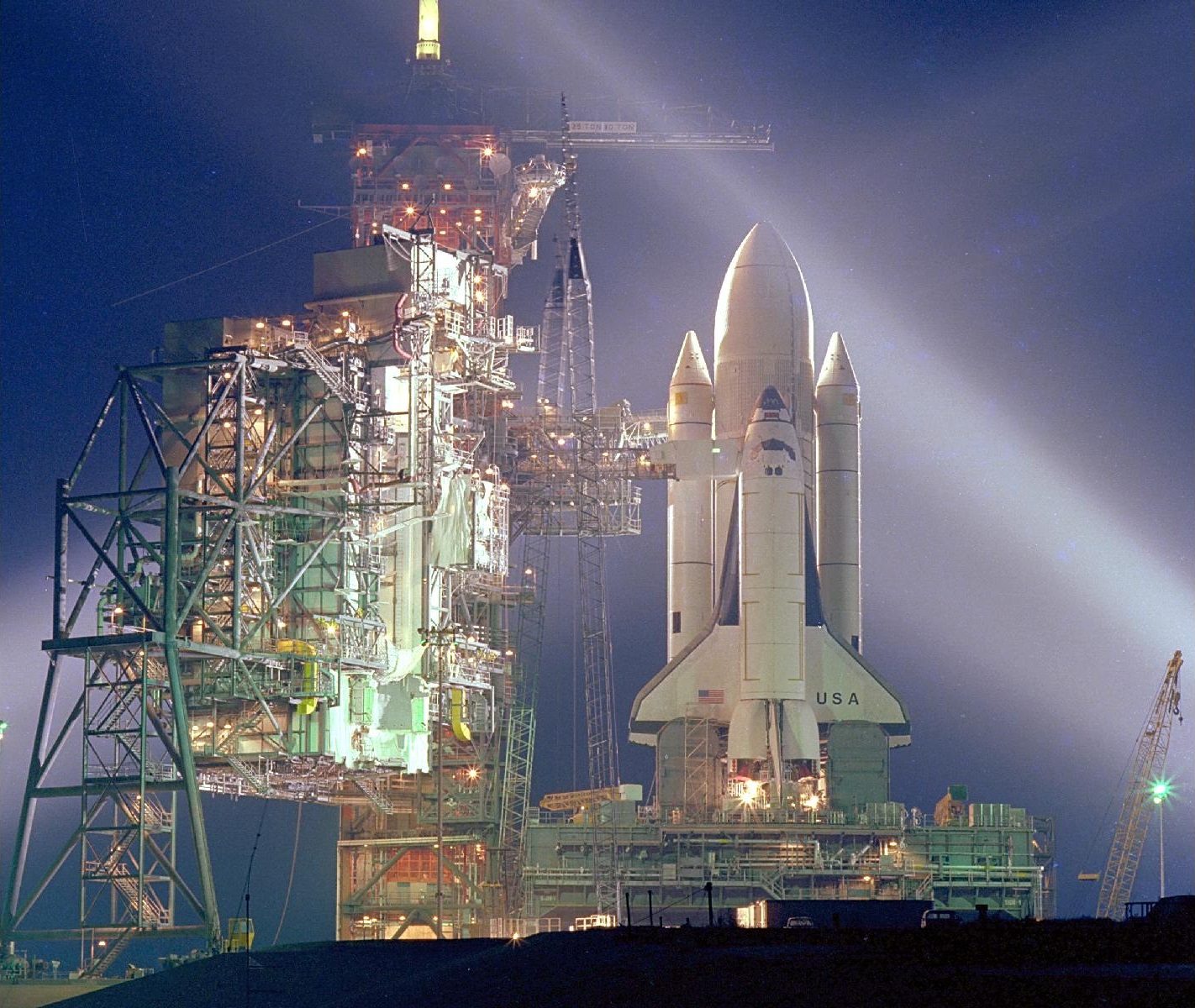
NASA's Space Shuttle program began with the launch of Columbia on STS-1 and ended in 2011 with Atlantis on STS-135. Its central idea was to create a partially reusable system capable of carrying crews, satellites, experiments, and large components into low Earth orbit.
For three decades, the shuttle was an essential tool for U.S. access to space. It launched and repaired satellites, deployed probes, carried Spacelab laboratories, enabled long-duration missions in low Earth orbit, and was indispensable to construction of the International Space Station. Its payload bay and robotic arm offered capabilities no capsule could match.
The program also revealed the limitations of early reusability. Although the shuttle was originally presented as a system that would make access to space cheaper and routine, in practice it required complex maintenance, large ground crews, and high costs. The Challenger disaster in 1986 and Columbia disaster in 2003 exposed deep risks in both the design and the agency's organizational culture.
Despite its problems, the shuttle left an enormous technical legacy. It enabled repairs to the Hubble telescope, assembly of the ISS, development of complex extravehicular operations, and training of generations of astronauts. Later space exploration learned from both its successes and its limitations: reusability returned through other approaches, while crew transportation shifted back to simpler capsules, first Soyuz and later Crew Dragon.
More information: https://en.wikipedia.org/wiki/Space_Shuttle_program | https://www.nasa.gov/space-shuttle/
The shuttle's design reflected an extremely ambitious promise: to make access to low Earth orbit frequent, flexible, and relatively inexpensive. Reality was more complicated. The spacecraft was partly reusable, but every flight required inspections, replacements, engine maintenance, thermal-tile checks, and extensive launch infrastructure. Reuse existed, but it was neither simple nor cheap.
The shuttle enabled operations that remain difficult to match today. It could retrieve satellites, deploy bulky payloads, serve as a platform for experiments, and carry astronauts specializing in repair missions. The Hubble servicing missions are perhaps its most brilliant example: without the shuttle, the telescope would have remained limited by its original optical flaw and could not have been upgraded for decades.
The Challenger and Columbia disasters profoundly shaped the program. Challenger exposed the danger of normalizing technical anomalies under institutional pressure. Columbia revealed the vulnerability of the thermal protection system and the difficulty of evaluating damage in orbit. In both cases, the lesson was organizational as well as technical: safety in complex systems depends on culture, communication, and a genuine willingness to halt a mission when warning signs appear.
The program's end left the United States without its own vehicle for sending astronauts to the ISS for almost a decade. That gap encouraged new contracting models and accelerated the role of commercial providers. In this sense, the shuttle belongs to an earlier era, but it also explains why later exploration pursued simpler systems, more robust capsules, and a different approach to reusability.
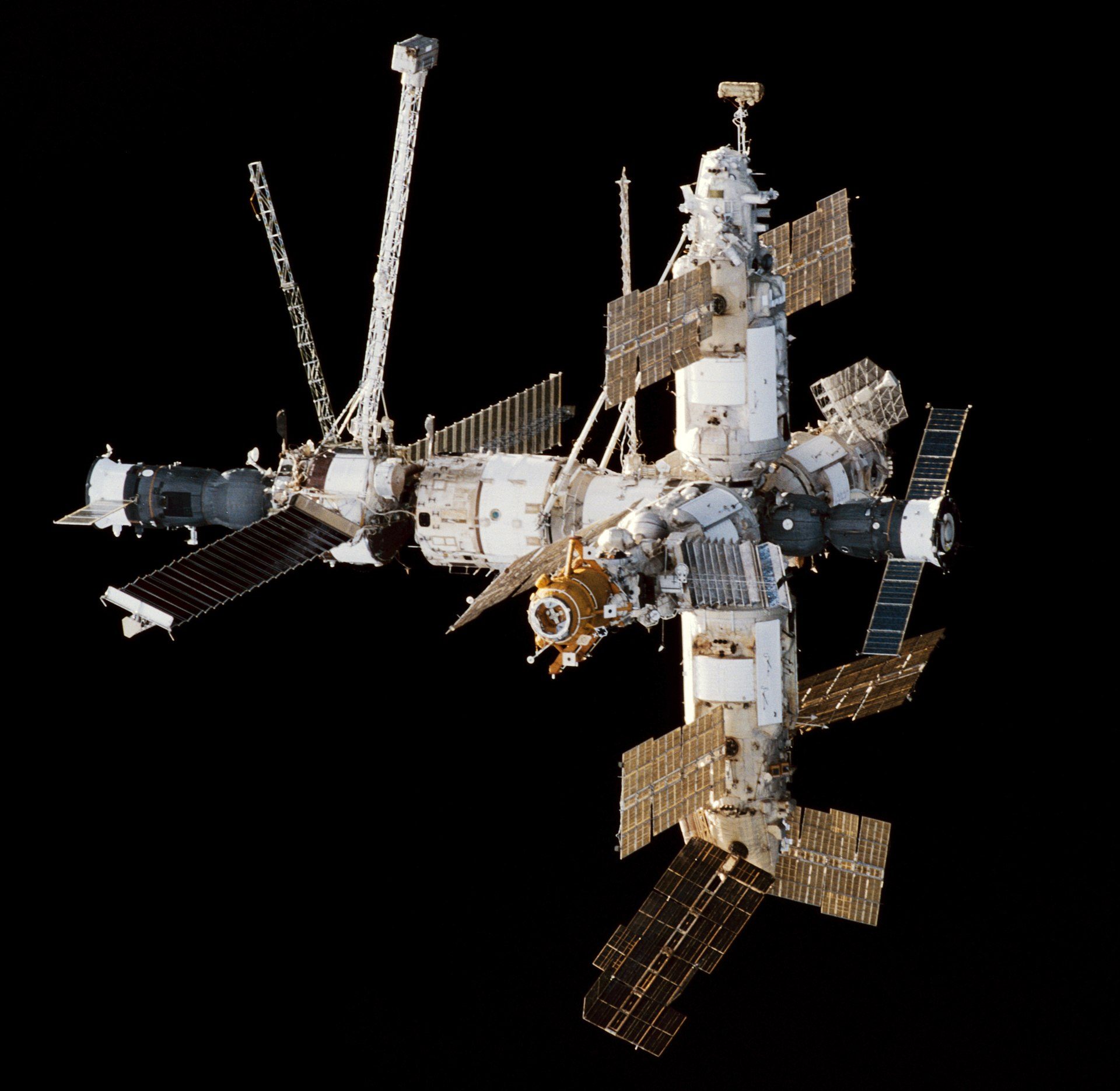
Mir, the first major modular space station
The Mir station was launched by the Soviet Union in 1986 and later operated by Russia until 2001. It was the first long-duration modular space station, gradually expanded with new scientific and service modules.
Mir demonstrated that a prolonged human presence in orbit was possible, although difficult. Its crews dealt with equipment failures, fires, leaks, power problems, and a collision with a Progress spacecraft. It also became a setting for international cooperation, especially through the Shuttle–Mir program, which prepared the way for later collaboration on the International Space Station.
More information: https://en.wikipedia.org/wiki/Mir | https://en.wikipedia.org/wiki/ShuttleMir_program
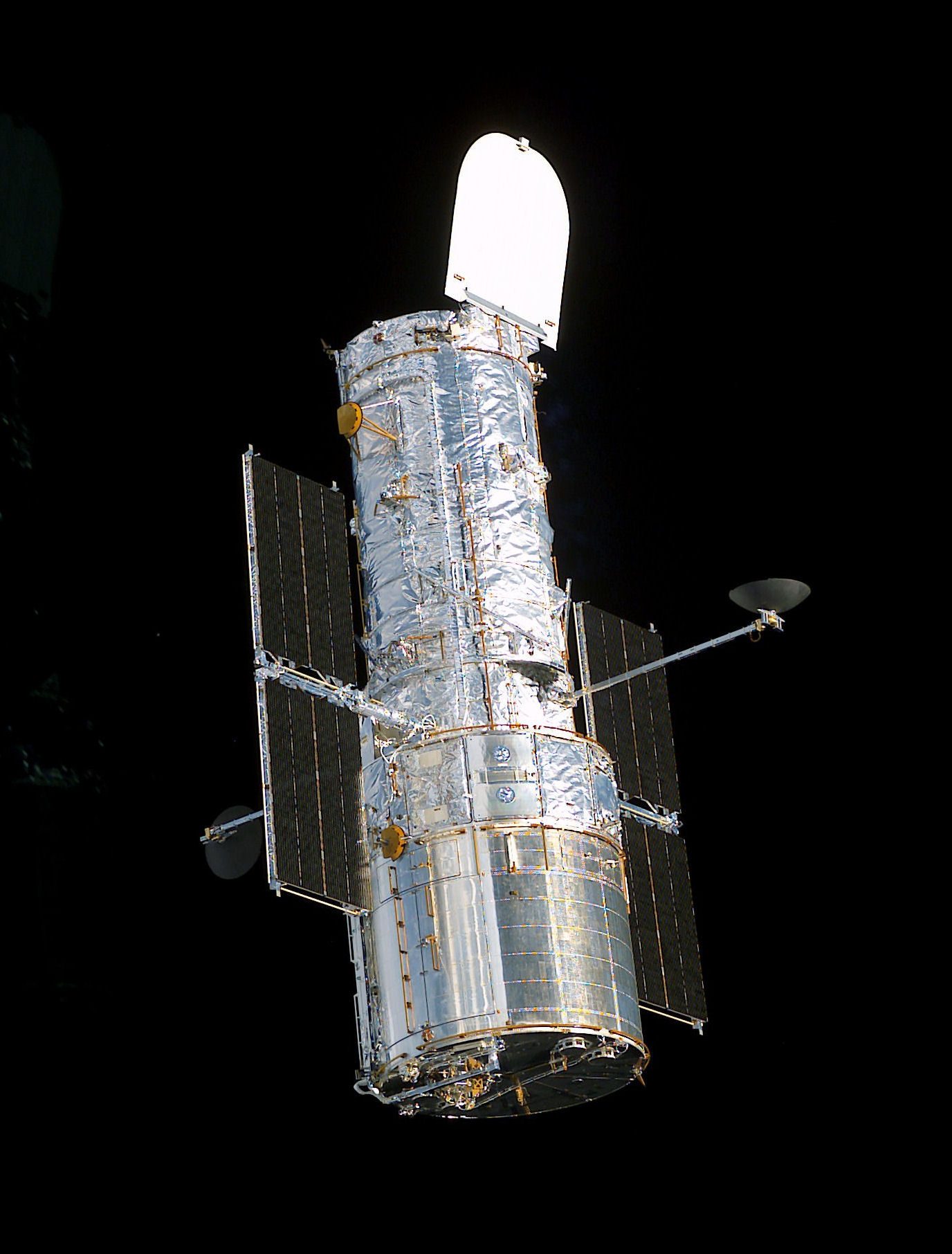
Launch of the Hubble Space Telescope
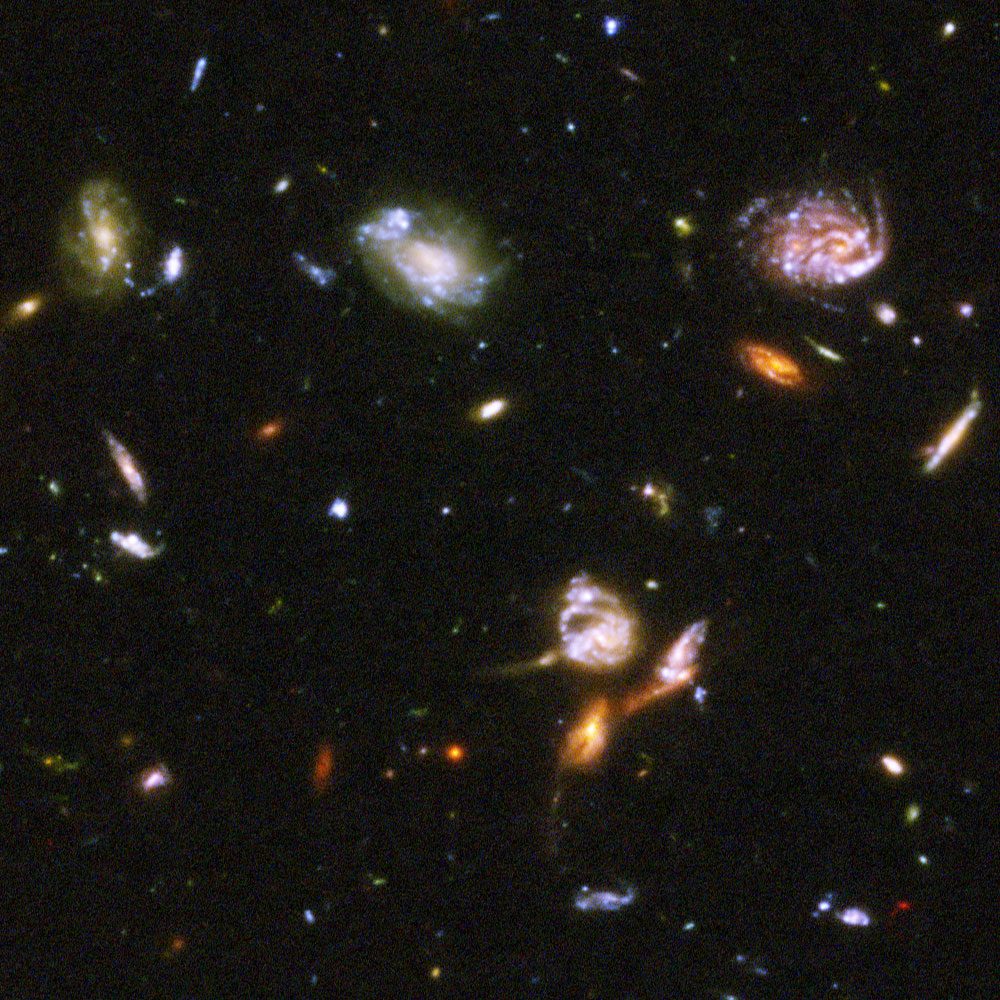
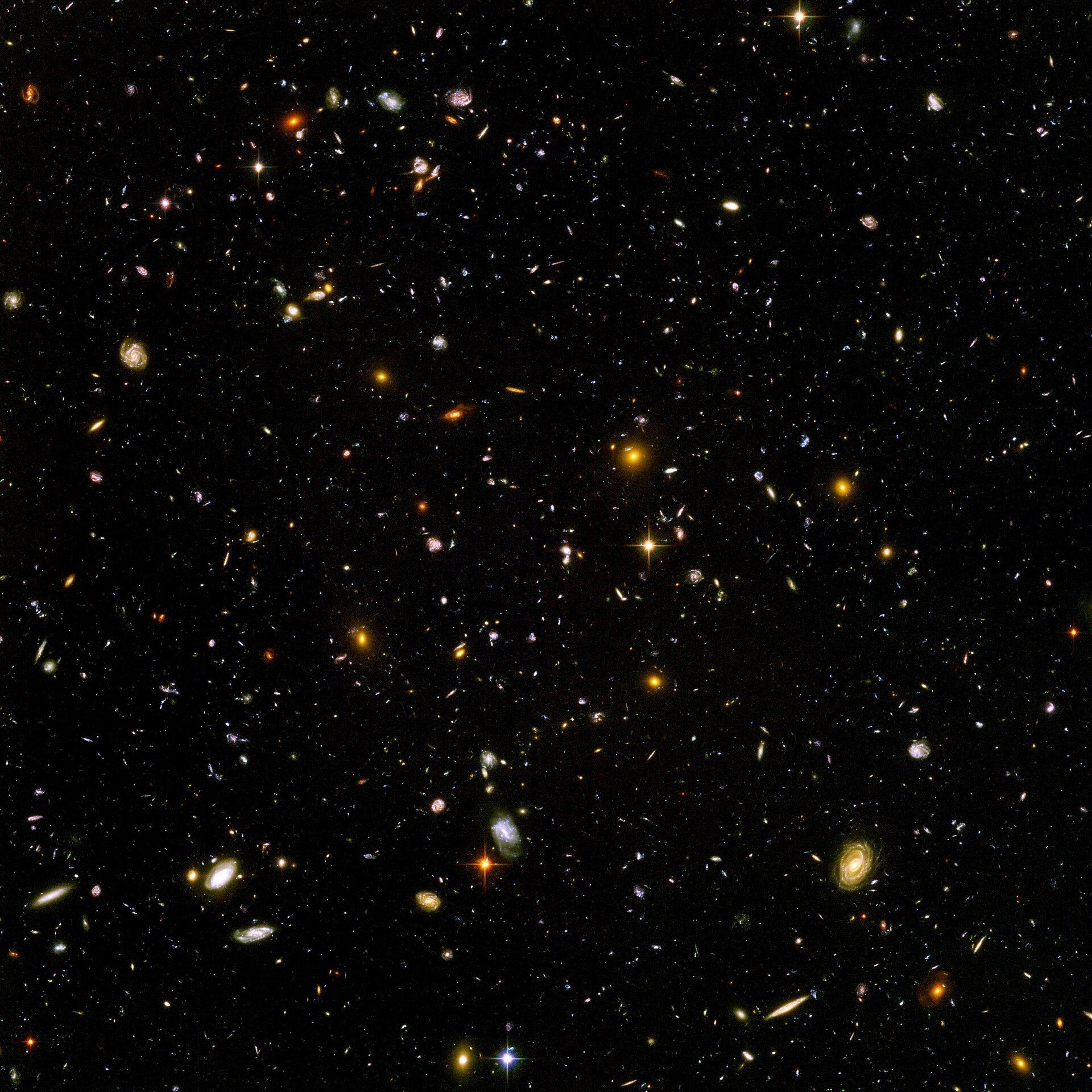
The Hubble Space Telescope is launched aboard Space Shuttle mission STS-31. Positioned above Earth's atmosphere, it could obtain astronomical images with a sharpness that many ground-based telescopes of the time could not achieve.
Soon after launch, a defect was discovered in its primary mirror. The 1993 servicing mission installed corrective optics and turned a potential failure into one of the greatest successes of modern astronomy. Hubble made it possible to study distant galaxies, nebulae, exoplanets, cosmic expansion, star formation, and the evolution of the universe.
Hubble was also important to public engagement with space science. Its images brought the deep universe closer to millions of people and demonstrated that an orbital observatory could be maintained, upgraded, and repaired by astronauts. It is one of the best examples of interaction between human spaceflight and robotic science.
More information: https://en.wikipedia.org/wiki/Hubble_Space_Telescope | https://science.nasa.gov/mission/hubble/
Mars Pathfinder and the Sojourner rover
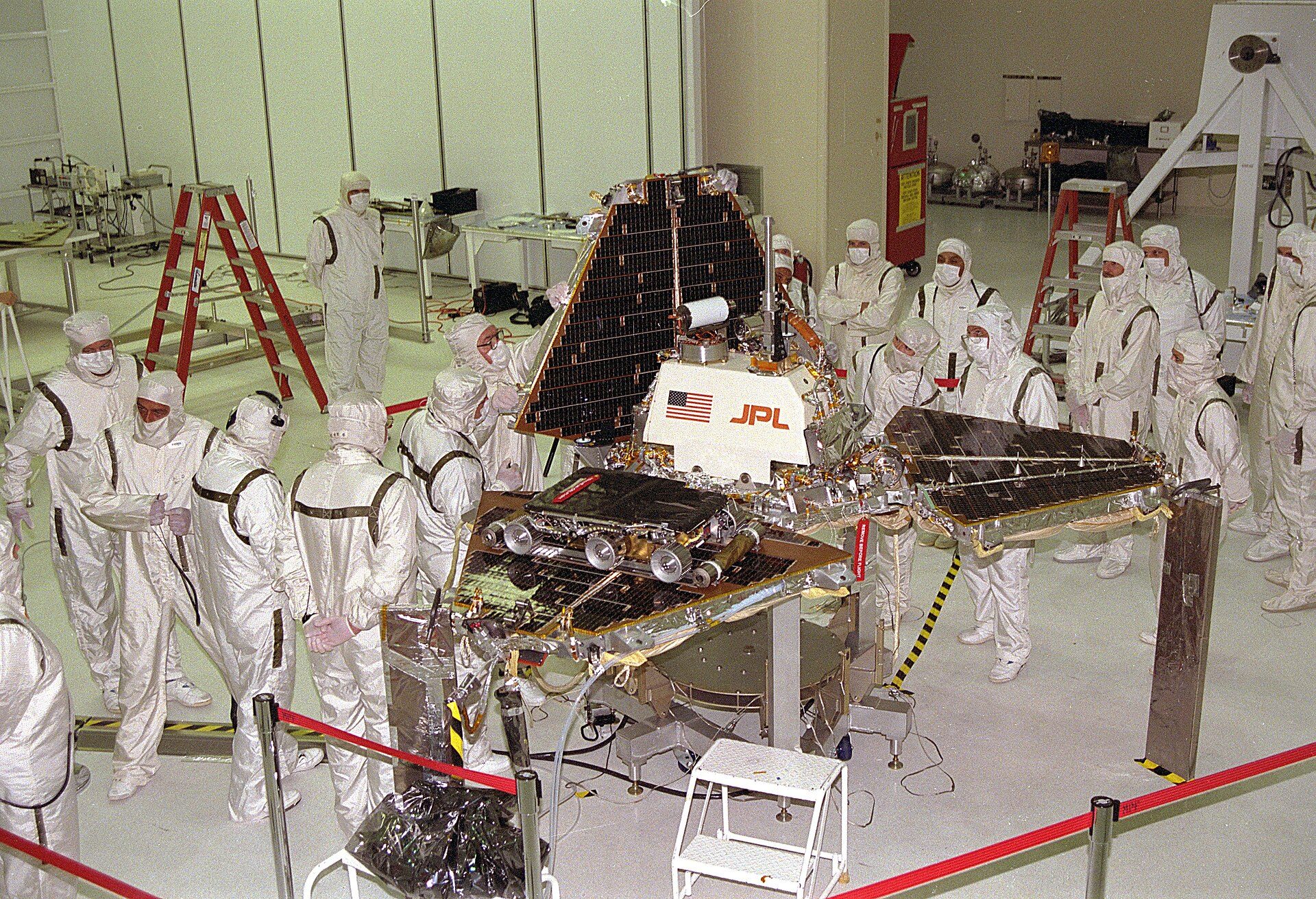
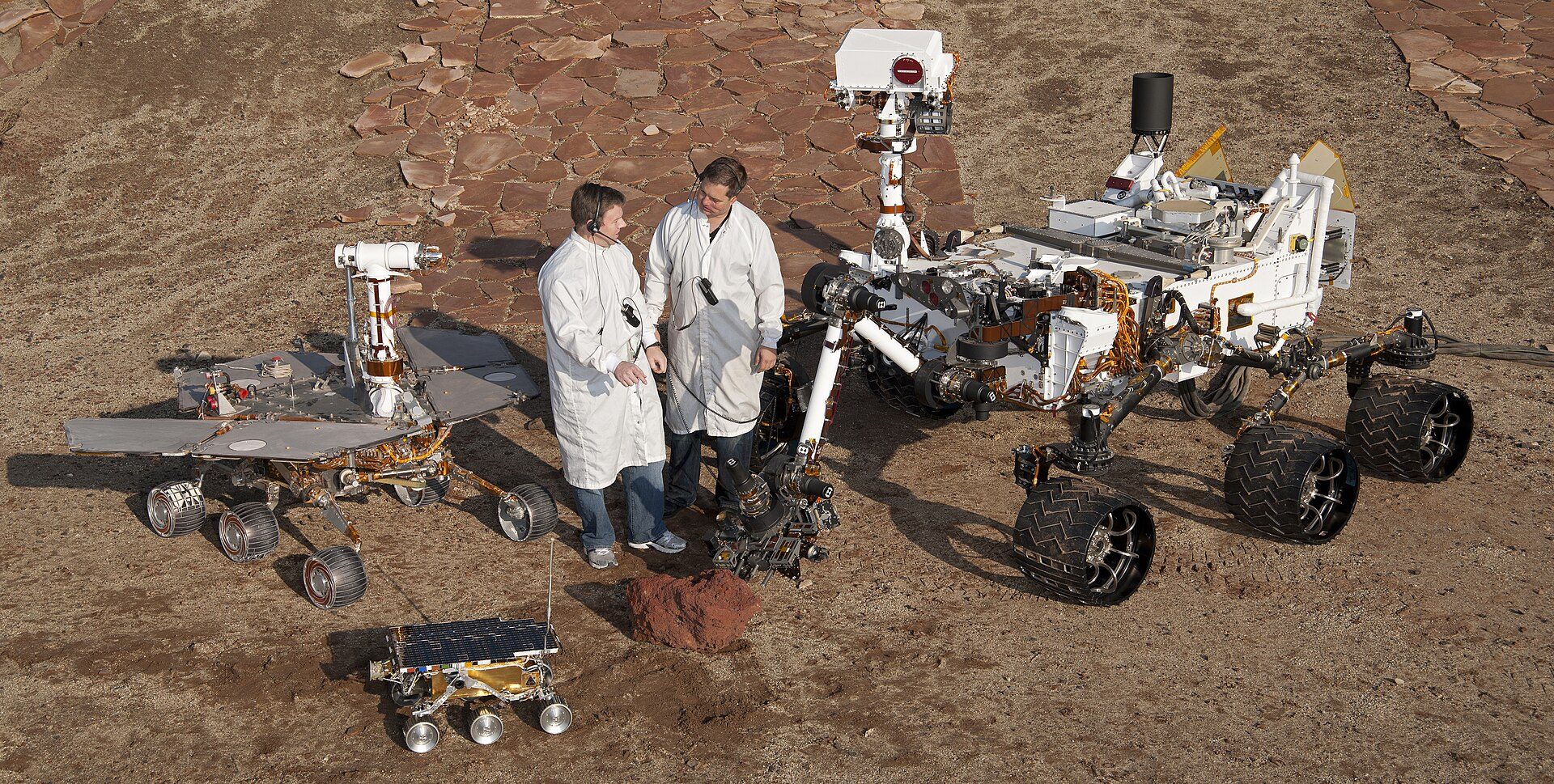
Mars Pathfinder lands on Mars and deploys Sojourner, the first operational rover on the Martian surface. The mission demonstrated an airbag landing system and a low-cost philosophy that influenced later missions.
Sojourner was small, but it opened a new phase: Mars could be explored with mobile vehicles rather than only fixed landers. Mobility allowed the study of several rocks, the testing of basic autonomy, and the public display of images showing a robot moving across another planet.
More information: https://en.wikipedia.org/wiki/Mars_Pathfinder | https://en.wikipedia.org/wiki/Sojourner_(rover)
Beginning of the International Space Station
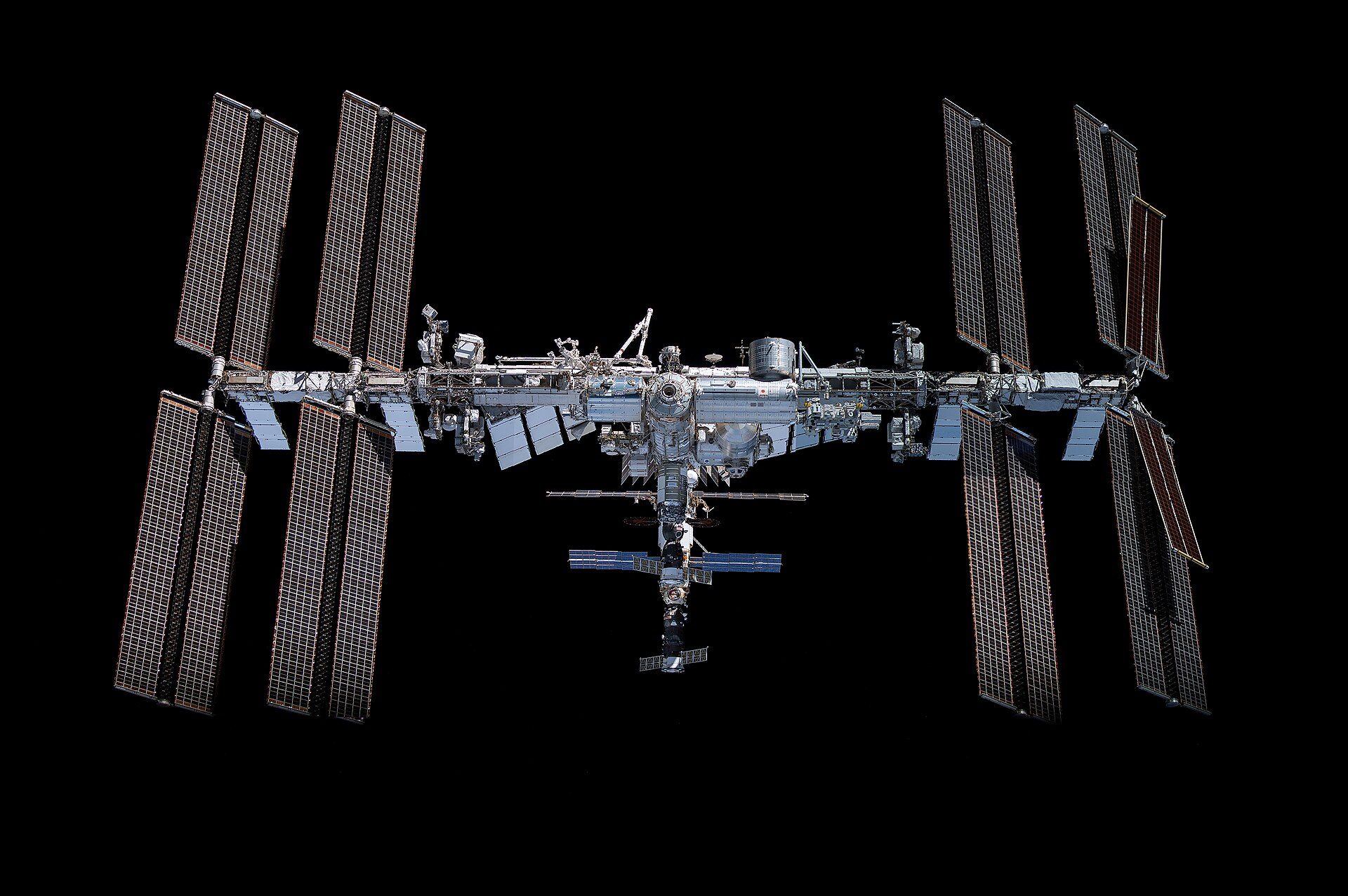
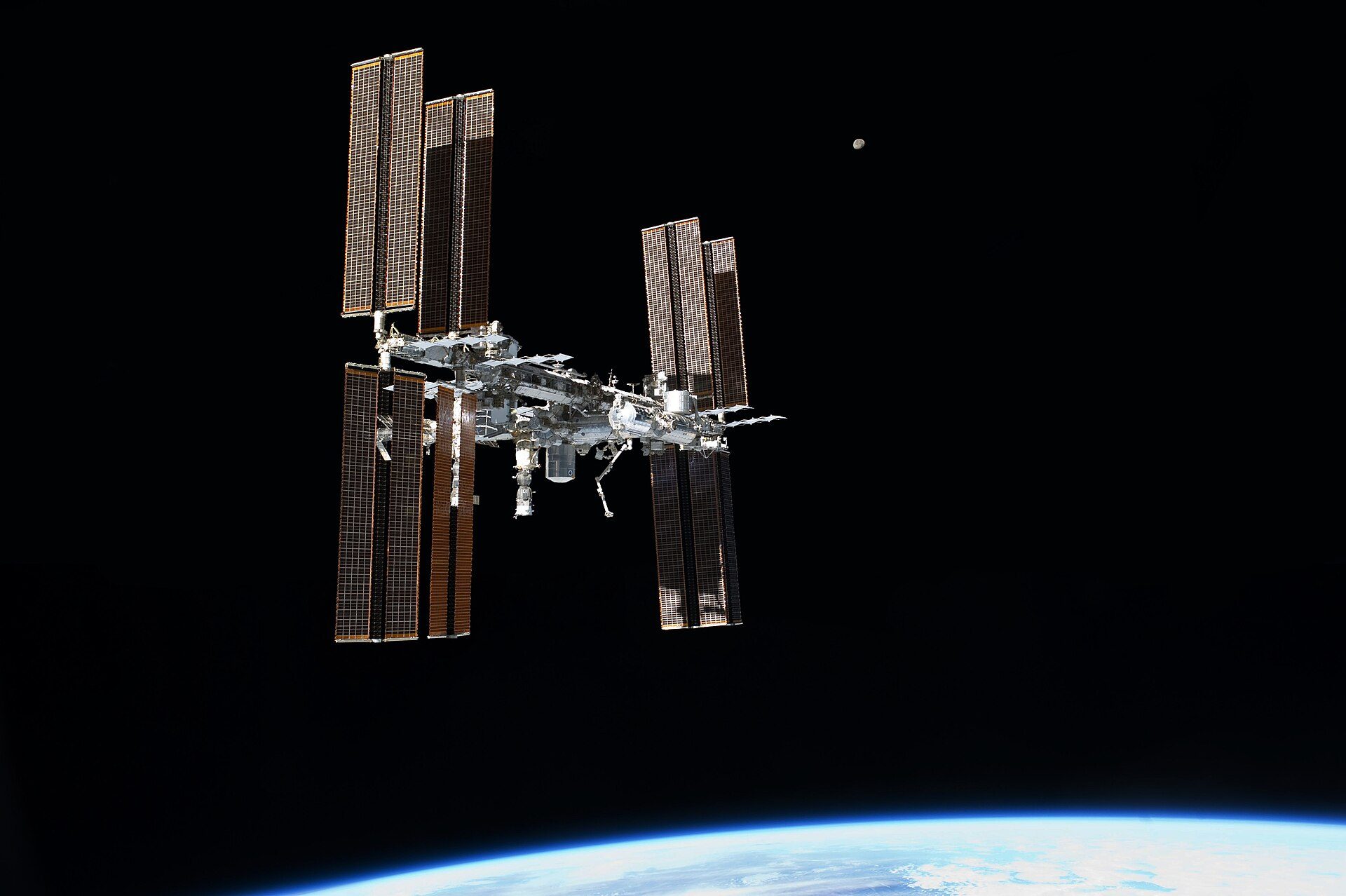
The launch of the Zarya module in 1998 marks the physical beginning of the International Space Station. The ISS is the most important orbital infrastructure project built to date: a permanently inhabited laboratory, assembled in orbit over many years and operated through cooperation among NASA, Roscosmos, ESA, JAXA, and CSA.
The station was not simply a laboratory, but a new way of organizing space exploration. It required compatibility between segments, successive launches, spacewalks, robotic arms, cargo logistics, crew rotations, and complex diplomatic management. Its construction depended on the Space Shuttle, Soyuz spacecraft, Progress cargo vehicles, and later commercial vehicles such as Dragon and Cygnus.
Since November 2000, the ISS has maintained a continuous human presence in orbit. Its experiments span human physiology, fluids, combustion, materials, Earth observation, plant cultivation, medicine, and technologies for future missions. It has also made it possible to study how microgravity affects the human body during long stays, information essential for lunar and Martian missions.
The ISS is also a symbol of post–Cold War cooperation. Its history shows that space can be an environment of competition, but also of interdependence. Even when political relations on Earth become strained, orbital operations require daily coordination, technical trust, and shared protocols.
More information: https://www.nasa.gov/international-space-station/ | https://en.wikipedia.org/wiki/International_Space_Station
The ISS was built through a sequence of orbital assembly without precedent. Each module had to arrive in the correct order, dock precisely, and be integrated into power, cooling, communications, and life-support systems. Much of the work required long and complex spacewalks, with astronauts acting as construction technicians in an environment where every tool, cable, and movement had to be planned.
Daily life aboard the station is central to its value. Crews do more than conduct experiments: they maintain equipment, repair systems, receive cargo vehicles, exercise for several hours to reduce bone and muscle loss, manage waste, carry out public communications, and document changes in their own bodies. The ISS is a scientific platform, but also a laboratory for human coexistence and work in isolation.
The station has been crucial to understanding the effects of prolonged microgravity. Studies of bone density, muscle mass, vision, the immune system, sleep, the microbiome, and psychological adaptation help prepare for longer missions. A mission to Mars cannot improvise these answers; it needs decades of accumulated data on how the human body changes when it no longer lives under Earth's gravity.
Its political importance is equally notable. The ISS has survived changes of government, budget crises, accidents, diplomatic tensions, and transformations in the space sector. In recent years it has also served as a bridge toward a more commercial orbital economy, with cargo and crew transportation provided by companies and ongoing debate about future private stations.
Yang Liwei and China's first crewed spaceflight
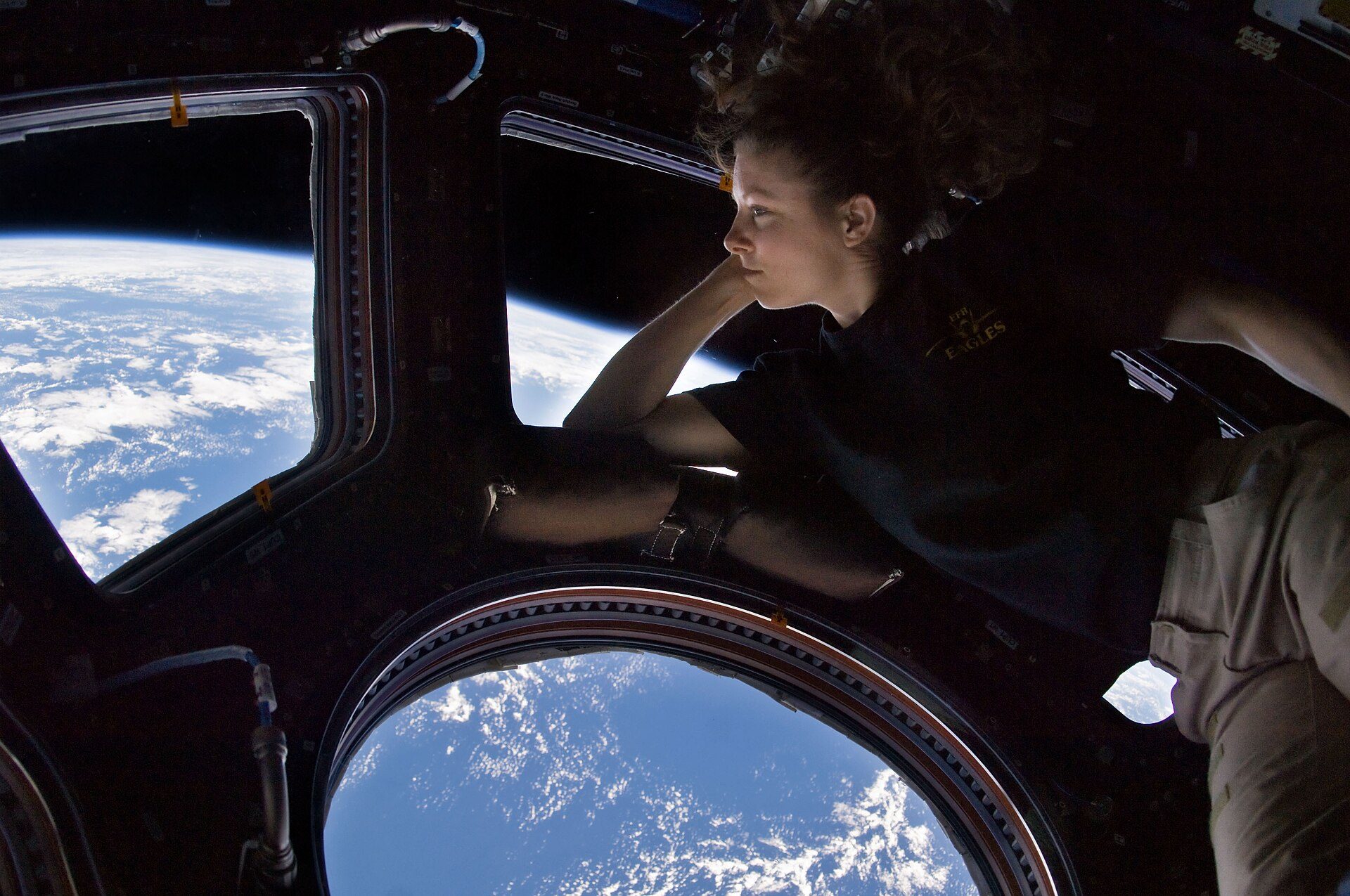
Yang Liwei flies aboard Shenzhou 5 and makes China the third country able to send a human into space using its own capabilities, after the Soviet Union/Russia and the United States.
The Shenzhou 5 mission marked the beginning of an increasingly ambitious Chinese presence in human spaceflight. It was followed by spacewalks, orbital dockings, Tiangong laboratories, and the Chinese space station. Space exploration was no longer dominated exclusively by the historic protagonists of the Cold War.
More information: https://en.wikipedia.org/wiki/Shenzhou_5 | https://en.wikipedia.org/wiki/Yang_Liwei

Spirit rover on Mars
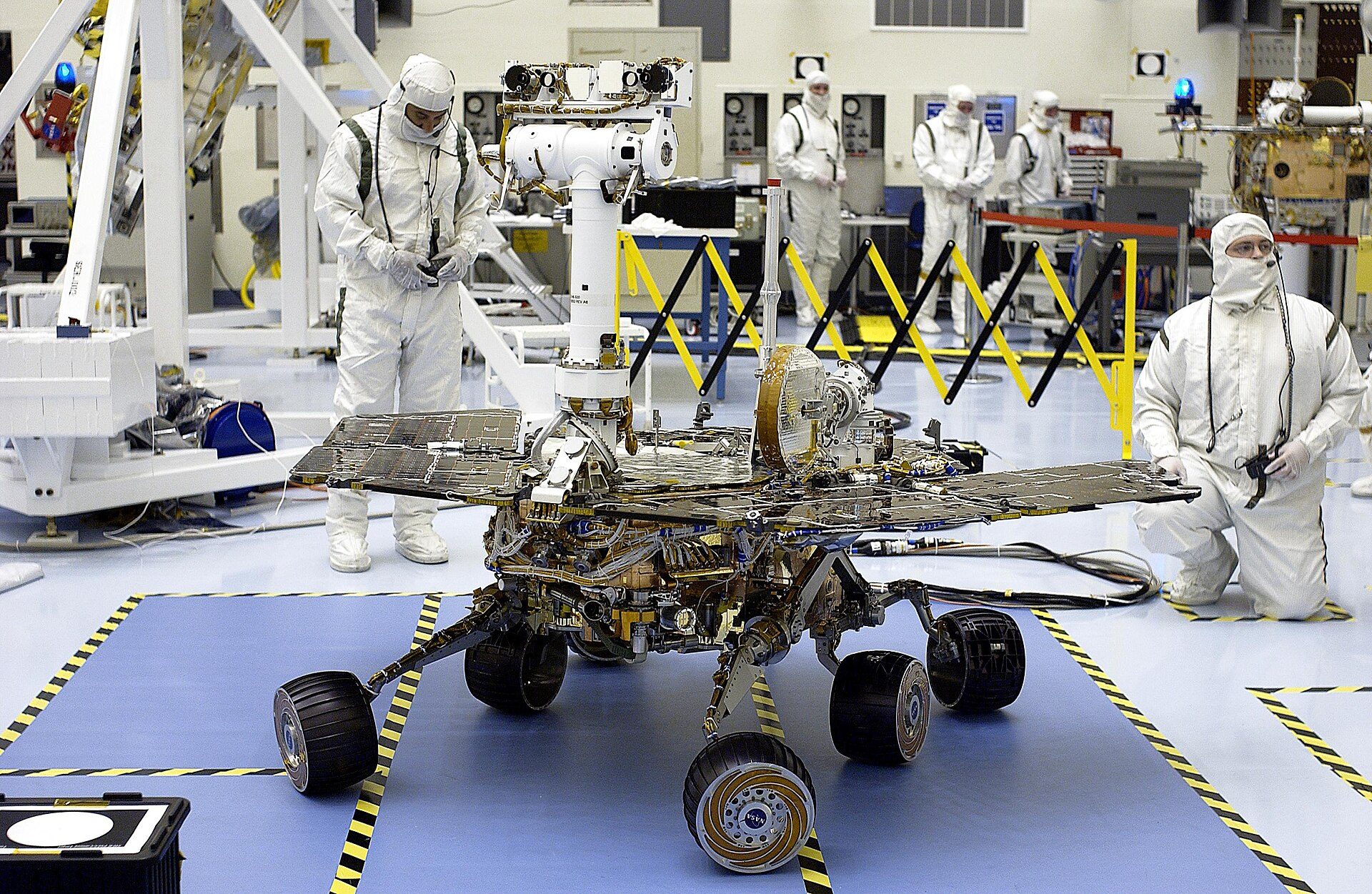
The Spirit rover lands on Mars as part of NASA's Mars Exploration Rover program. Together with Opportunity, which arrived weeks later, Spirit was designed for a mission of about 90 Martian sols, but it operated for years and far exceeded initial expectations.
Spirit explored Gusev crater and the surrounding terrain, studying rocks, soil, and evidence of ancient water-related processes. Its mobility made it possible to compare different terrains and discover that Martian geological history was richer than a single fixed station could reveal. The rover eventually became trapped in soft soil, but continued transmitting data until energy conditions made further operation impossible.
Spirit's importance lies not only in its discoveries, but also in the model of exploration it helped establish: relatively autonomous rovers, distributed science teams on Earth, day-by-day driving plans, and a sustained public narrative built around nearly daily images of the Martian landscape.
More information: https://en.wikipedia.org/wiki/Spirit_(rover) | https://mars.nasa.gov/mer/
Opportunity lands on Mars
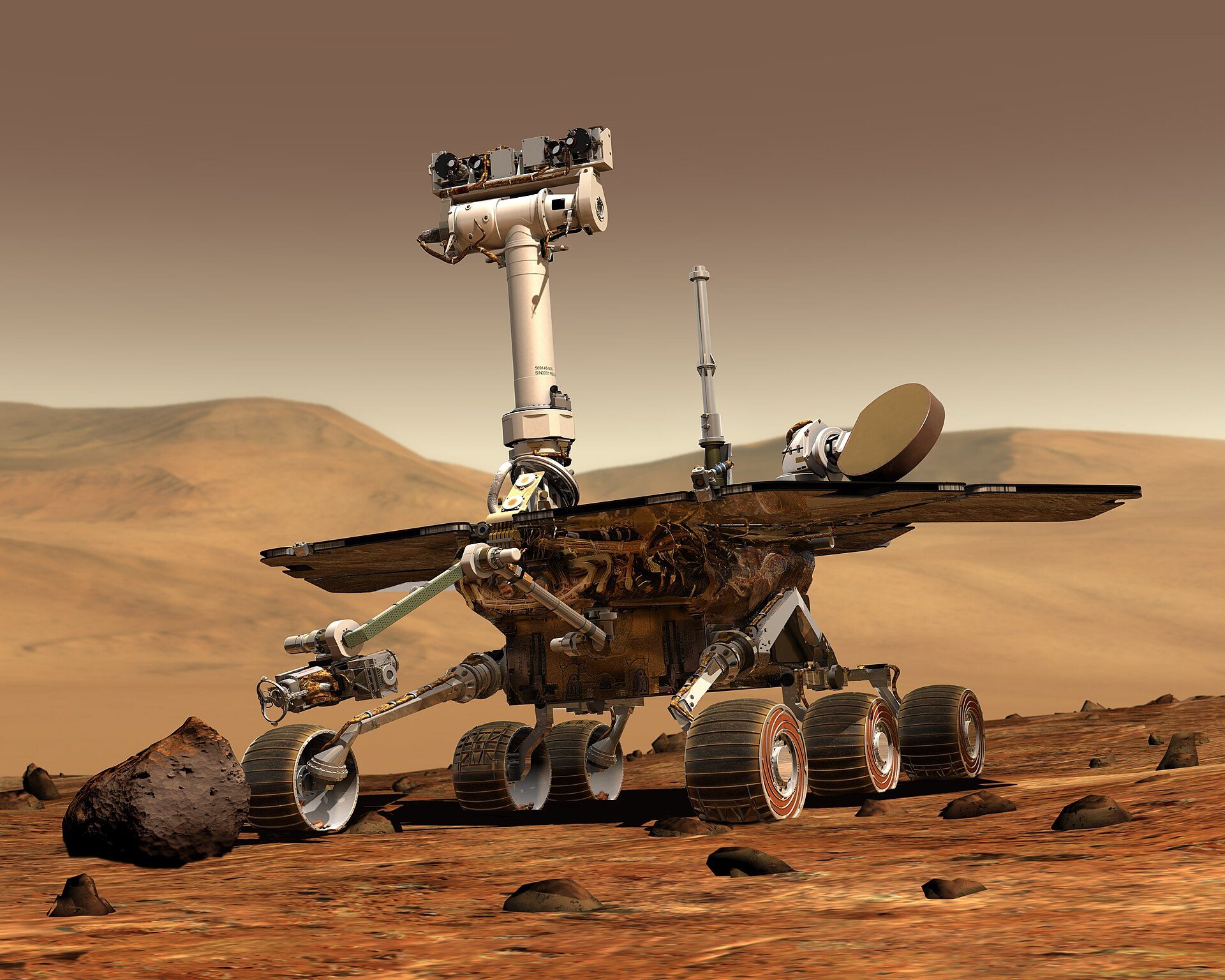
Opportunity, Spirit's twin rover, lands in Meridiani Planum. Its planned mission was about 90 sols, but it ultimately traveled more than 45 kilometers and operated until 2018, when a major global dust storm prevented it from generating enough solar power.
Opportunity found mineral and sedimentary evidence that strengthened the conclusion that Mars had liquid water in the past. Its longevity made it one of the great successes of robotic exploration: a mobile laboratory that studied geological layers, craters, and changes in terrain over many years.
More information: https://en.wikipedia.org/wiki/Opportunity_(rover) | https://mars.nasa.gov/mer/
Cassini enters orbit around Saturn
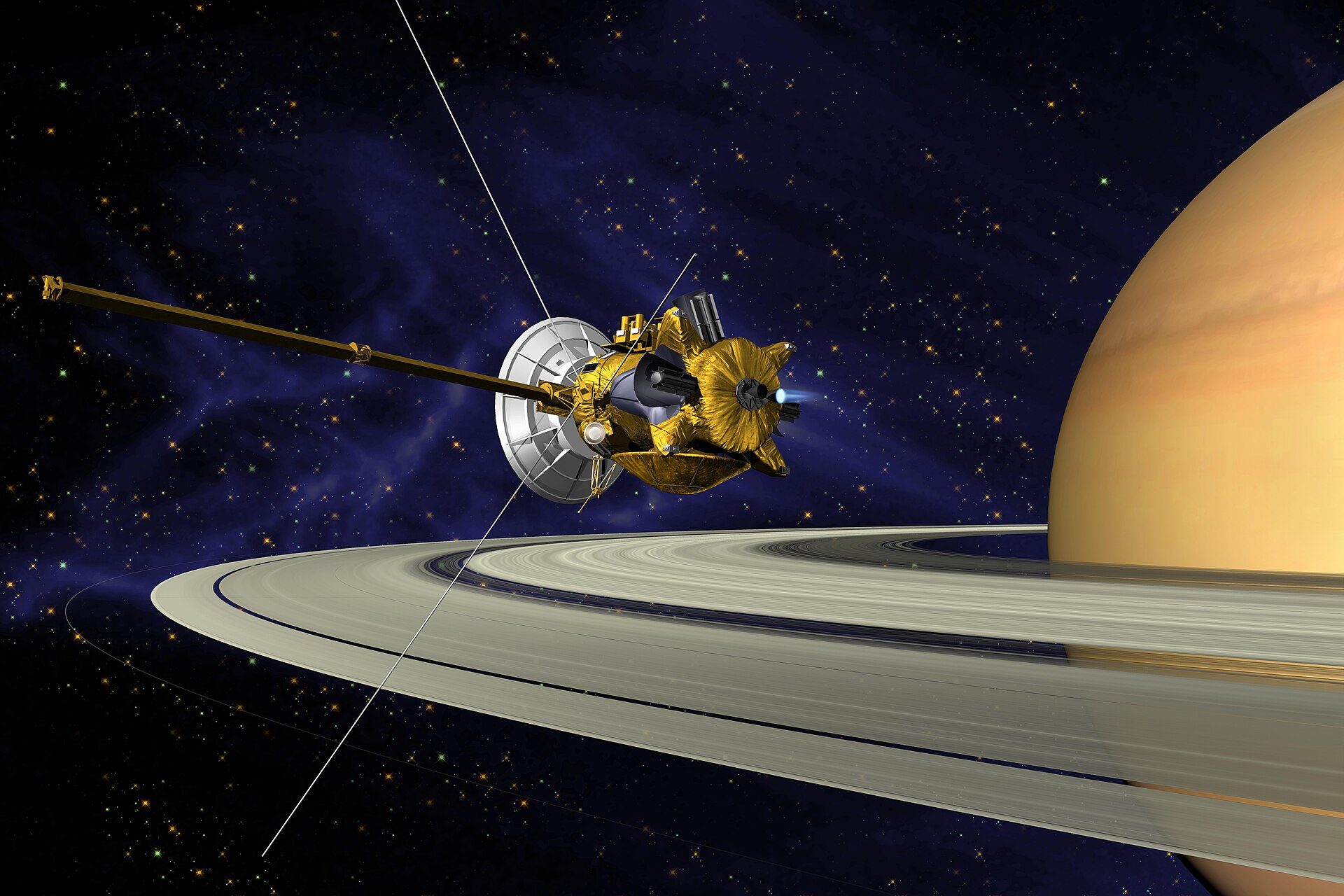
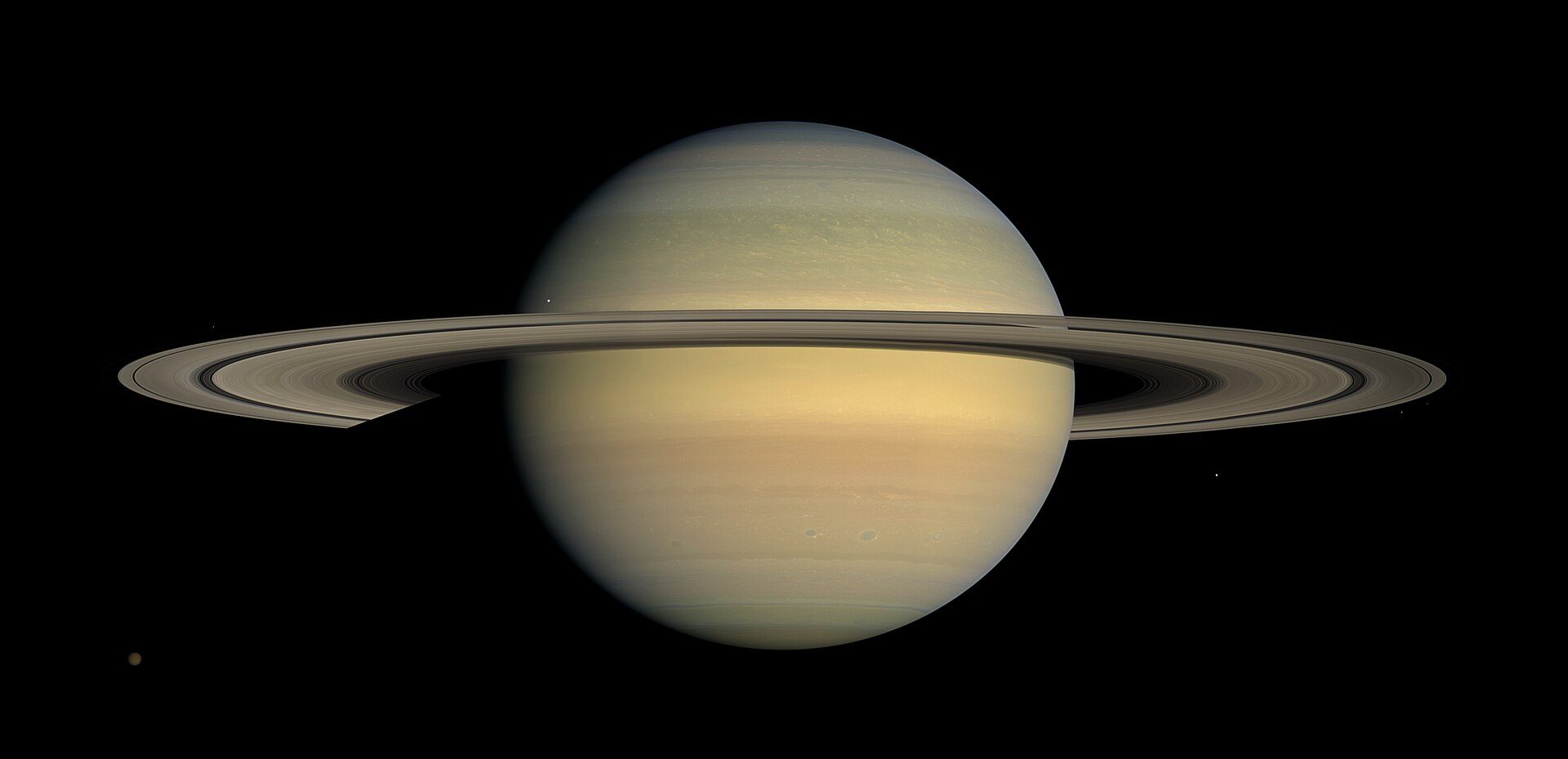
The Cassini–Huygens spacecraft enters orbit around Saturn after a long interplanetary journey. The mission, developed by NASA, ESA, and ASI, became one of the most productive planetary exploration efforts in history.
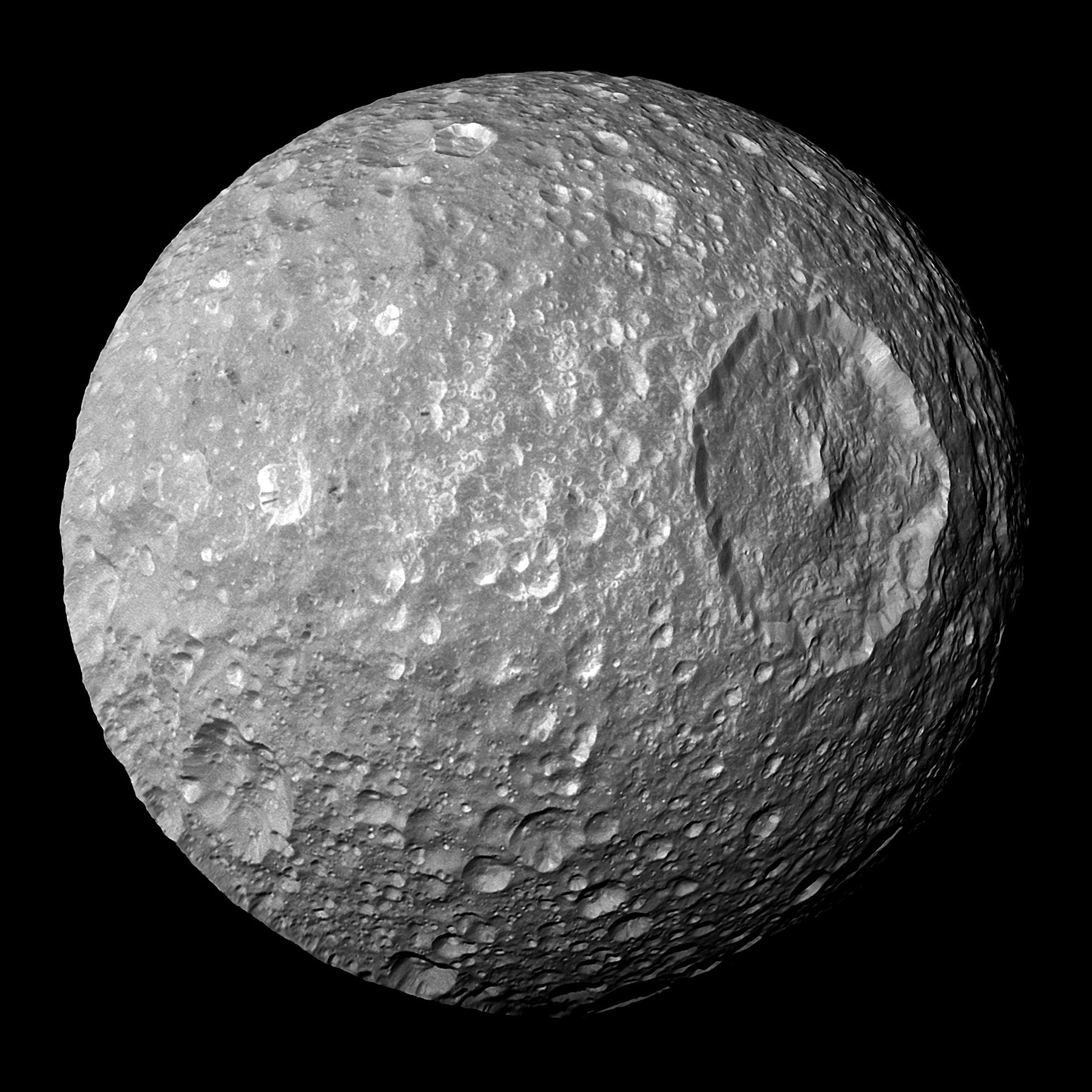
Cassini studied Saturn's rings, atmosphere, magnetosphere, and many of its moons. It revealed geysers on Enceladus, hydrocarbon seas on Titan, complex structures in the rings, and a diversity of icy worlds that transformed astrobiology. Its controlled end in 2017 prevented contamination of potentially interesting moons.
More information: https://en.wikipedia.org/wiki/CassiniHuygens | https://science.nasa.gov/mission/cassini/
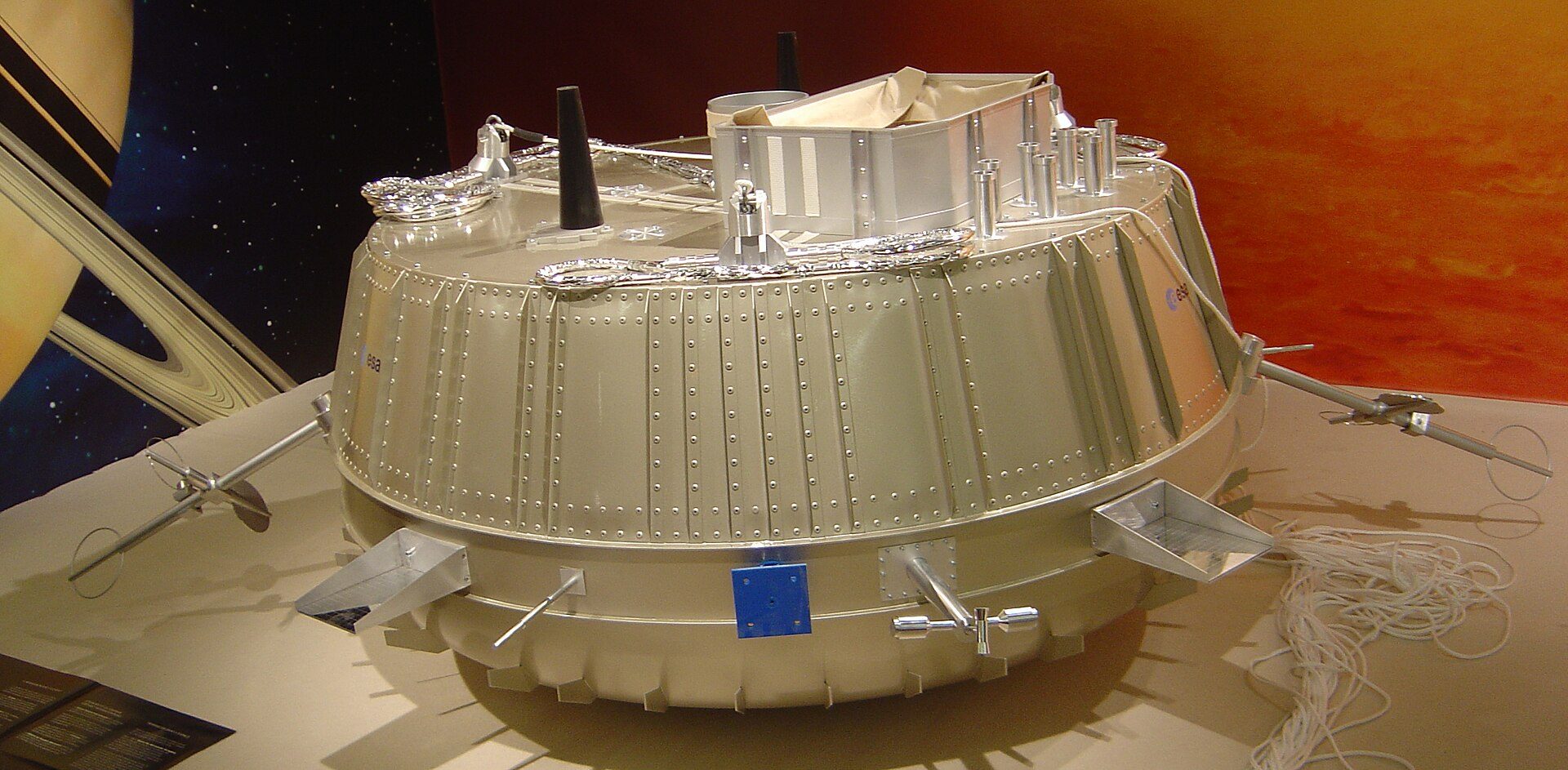
Huygens lands on Titan
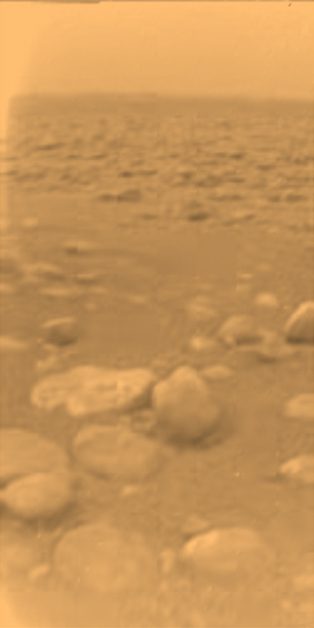
The Huygens probe, operated by the European Space Agency, separates from Cassini and descends through the atmosphere of Titan, Saturn's largest moon. It was the first landing on a body in the outer Solar System.
Huygens revealed a landscape that appeared surprisingly Earth-like: channels, eroded surfaces, and evidence of a methane and ethane cycle analogous to Earth's water cycle. Although the probe operated only briefly on the surface, its data profoundly changed our image of Titan as an active and complex world.
More information: https://en.wikipedia.org/wiki/Huygens_(spacecraft) | https://sci.esa.int/web/cassini-huygens
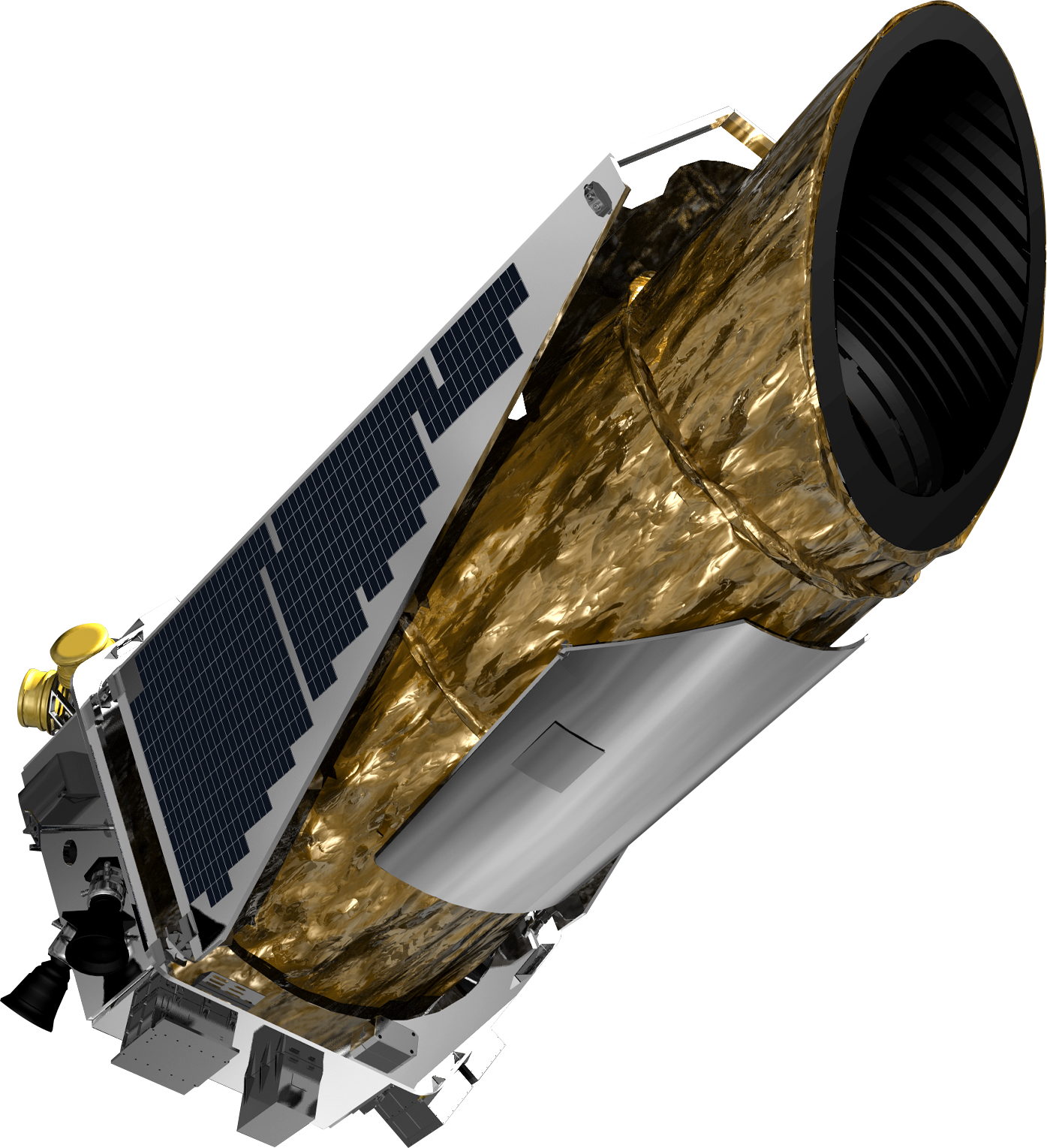
Launch of the Kepler Space Telescope
NASA launches Kepler, a space telescope designed to detect exoplanets using the transit method. Its objective was to measure tiny decreases in a star's brightness when a planet passes in front of it.
Kepler transformed planetary astronomy. It showed that planets are common throughout the galaxy, discovered thousands of candidates, and confirmed that planetary systems can be very different from our own. The discussion of habitable worlds shifted from speculation to observational statistics.
More information: https://en.wikipedia.org/wiki/Kepler_space_telescope | https://science.nasa.gov/mission/kepler/
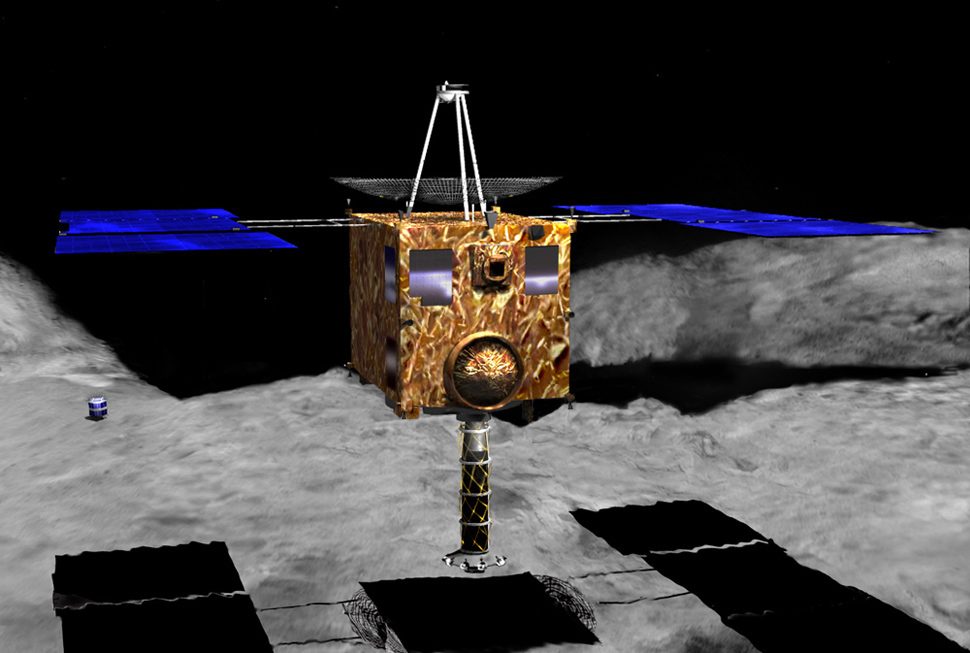
Hayabusa returns samples from an asteroid
Japan's Hayabusa mission returns to Earth with samples from asteroid Itokawa. It was an extraordinarily difficult mission, marked by technical failures, loss of contact, and propulsion problems, but it completed the first asteroid sample return.
Hayabusa demonstrated the scientific value of bringing extraterrestrial material to laboratories on Earth, where it can be analyzed with instruments far more powerful than those carried by a spacecraft. Its success paved the way for Hayabusa2 and OSIRIS-REx.
More information: https://en.wikipedia.org/wiki/Hayabusa | https://en.wikipedia.org/wiki/25143_Itokawa
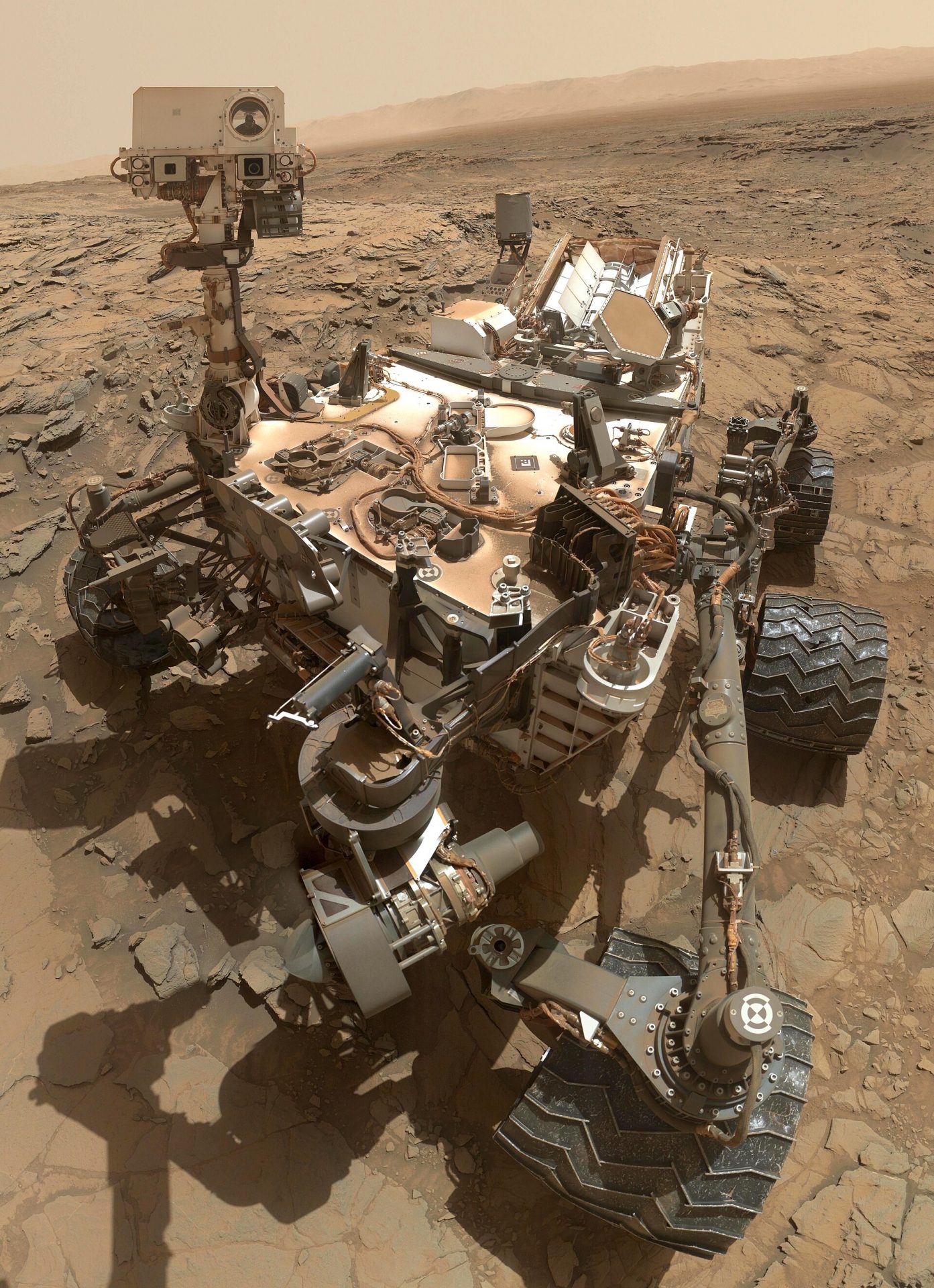
Arrival of the Curiosity rover
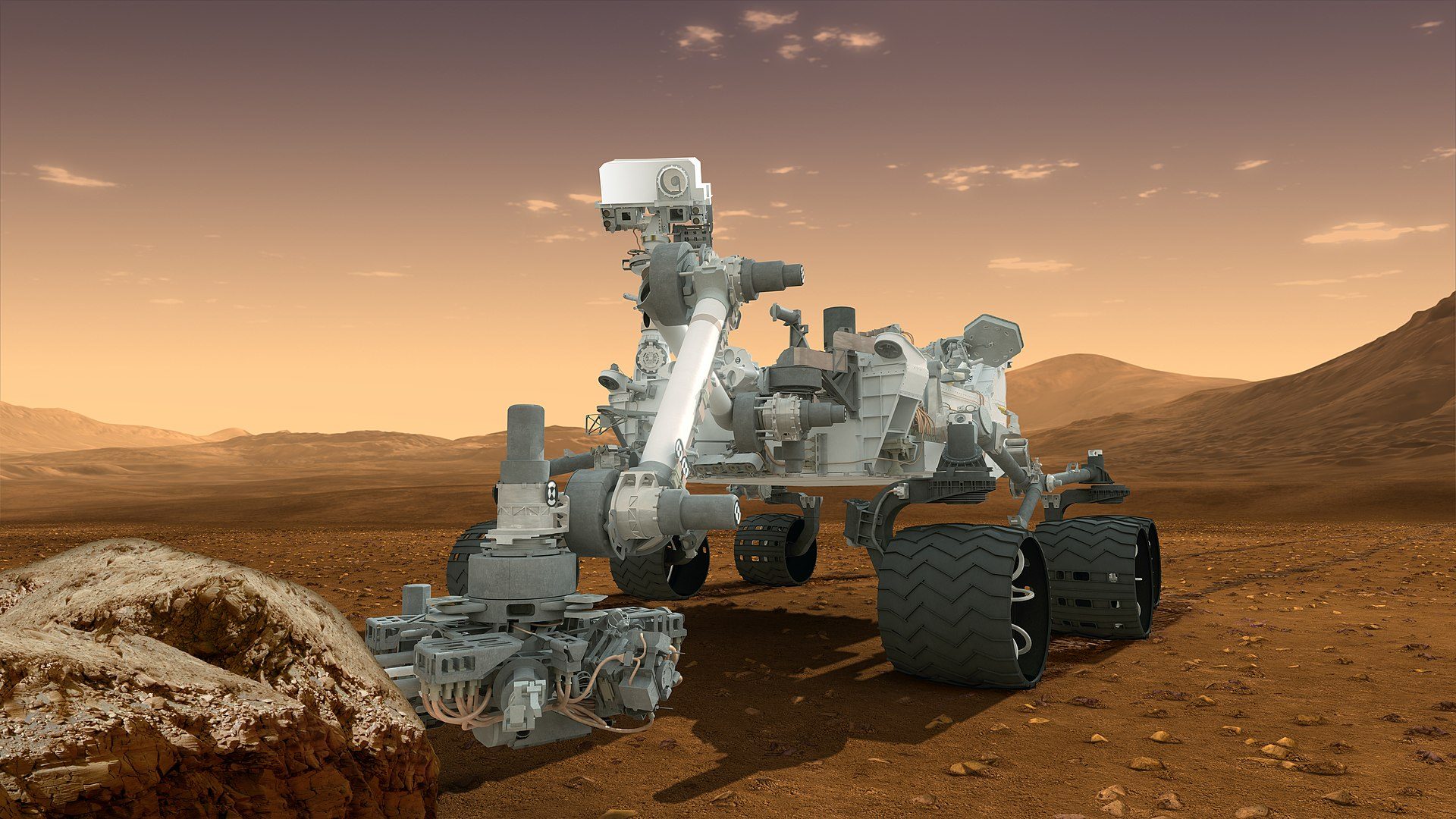
Curiosity lands in Gale Crater using an innovative descent maneuver known as the sky crane. The Mars Science Laboratory mission carried a much larger and more capable rover to Mars than Spirit and Opportunity, with instruments designed to investigate past habitability.
The landing was an engineering feat. The capsule had to pass through the Martian atmosphere, deploy a parachute, separate, ignite retrorockets, and lower the rover on cables before the descent stage flew away. The system made it possible to place a heavy vehicle on its wheels without using airbags.
Curiosity has studied sediments, minerals, organic chemistry, radiation, and the environmental history of Gale Crater. Its results strengthened the conclusion that Mars once had ancient environments with liquid water and potentially habitable conditions. It also provided useful data for designing future human missions, especially concerning radiation and dust.
More information: https://mars.nasa.gov/msl/ | https://en.wikipedia.org/wiki/Curiosity_(rover)
Voyager 1 enters interstellar space
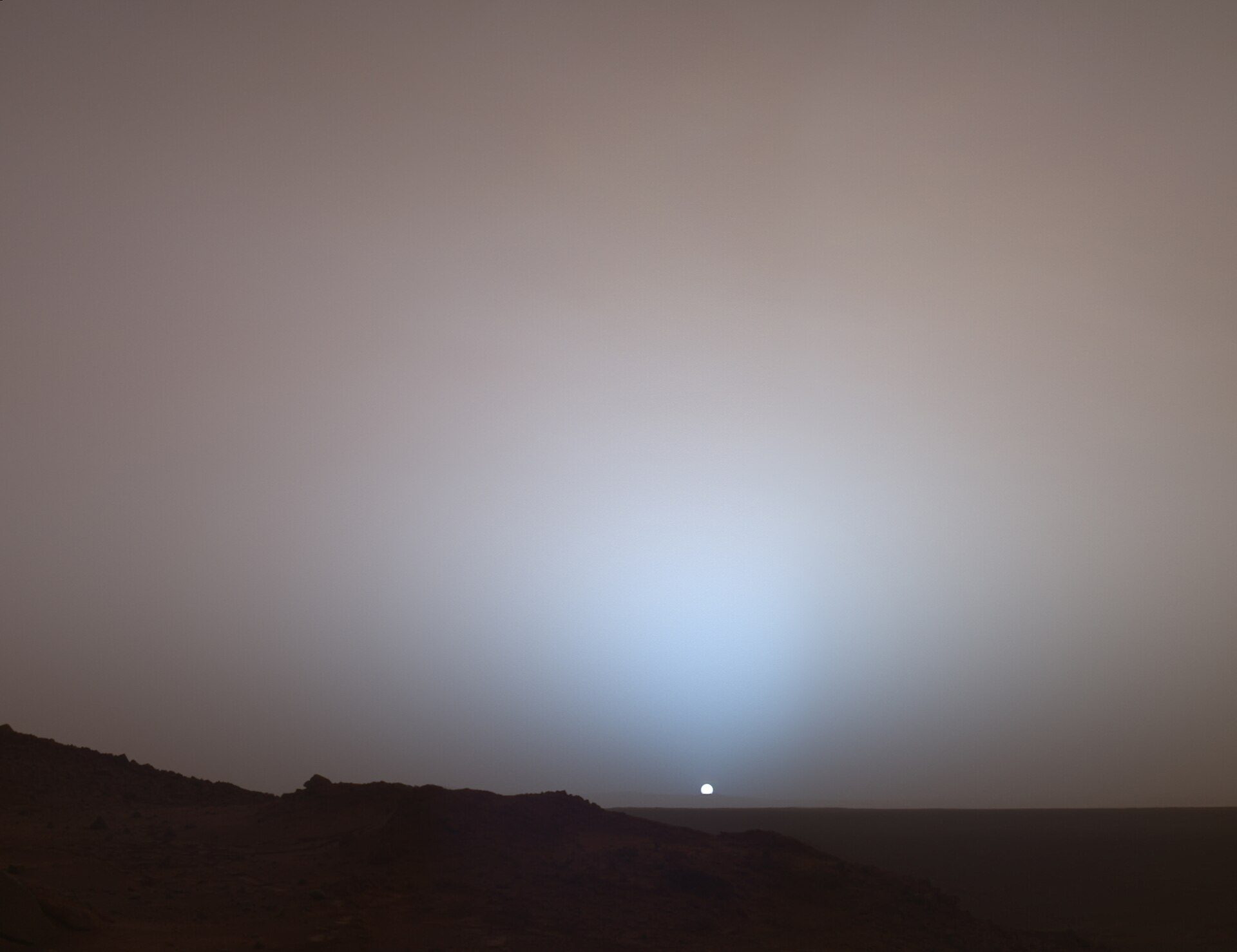
Voyager 1 crosses the heliopause and becomes the first human-made spacecraft to enter interstellar space. The date was established later from particle and plasma measurements, but the milestone marks its departure from the main domain of the solar wind.
The mission, launched in 1977, evolved from exploring the outer planets to studying the boundary of the heliosphere. Voyager 1 continues to transmit data using minimal power and from an enormous distance. It is a reminder that a space mission can acquire new objectives decades after completing its original plan.
More information: https://en.wikipedia.org/wiki/Voyager_1 | https://voyager.jpl.nasa.gov/
Philae lands on comet 67P
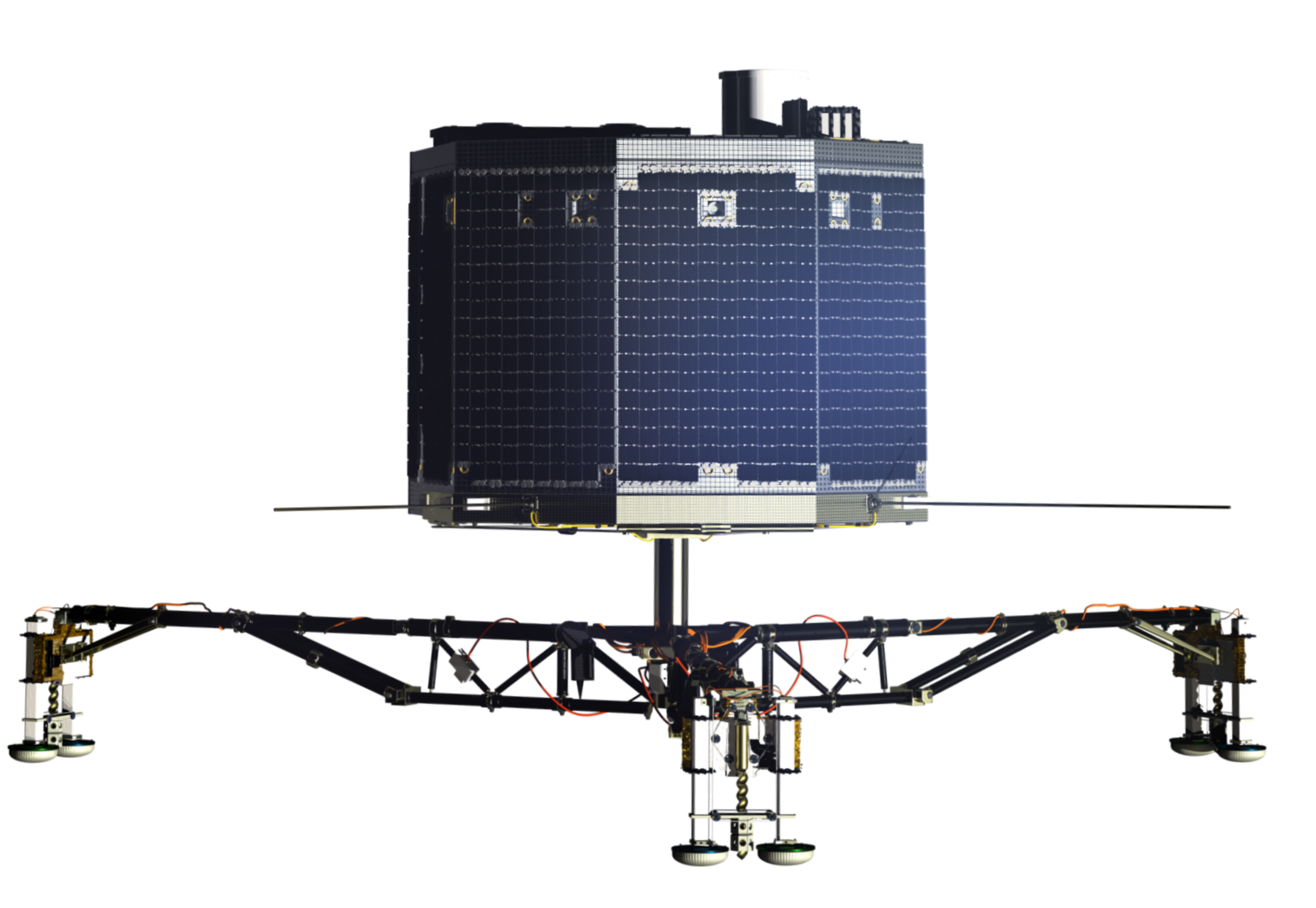
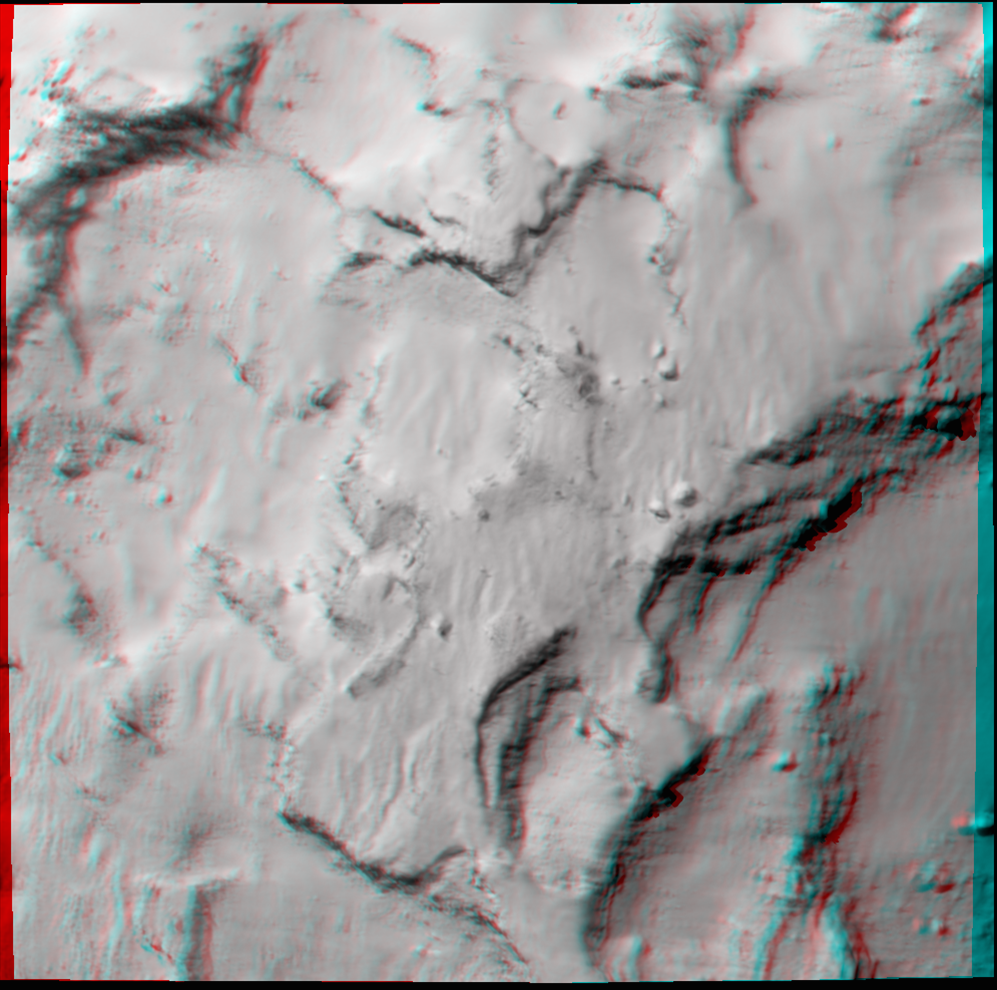
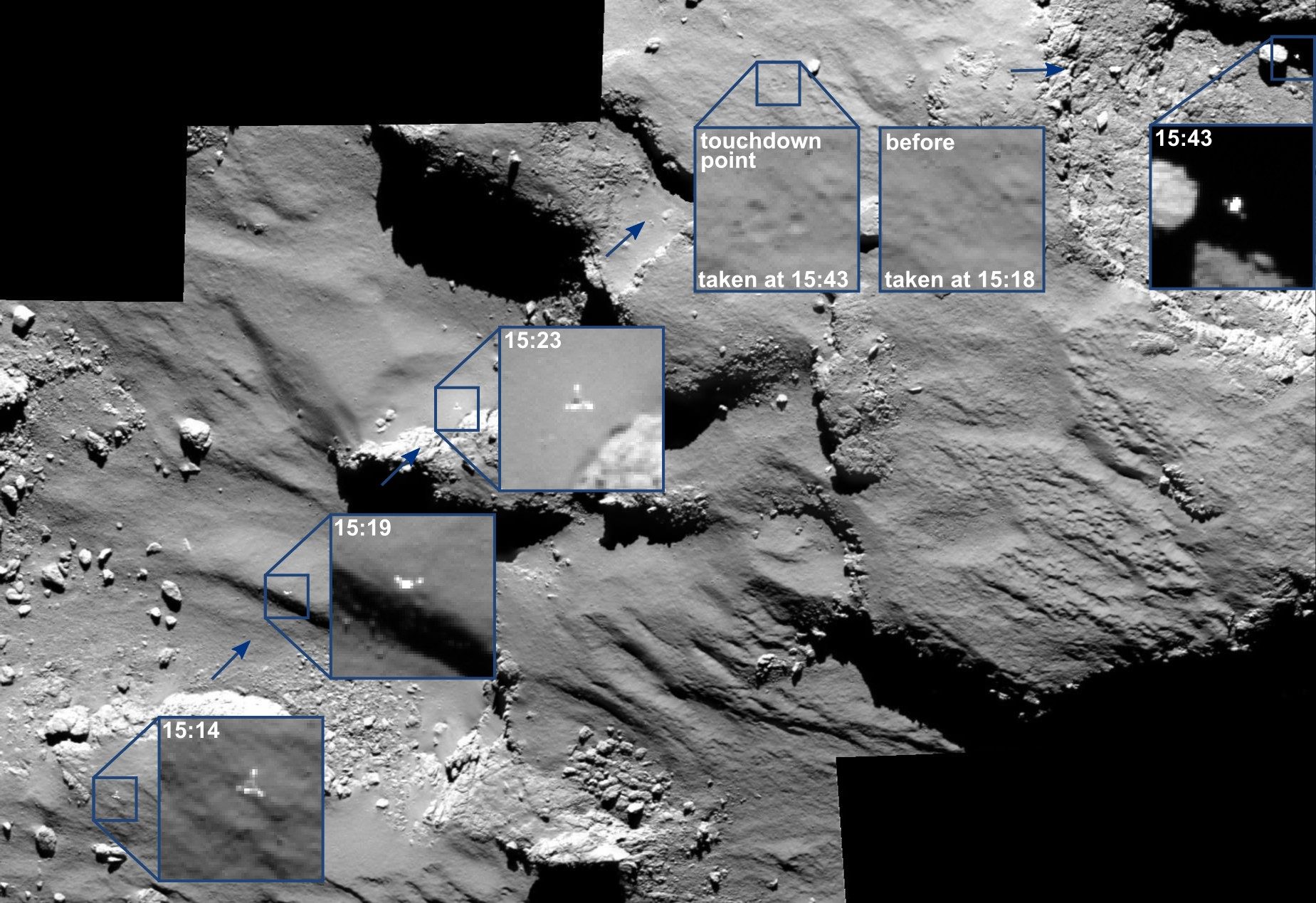
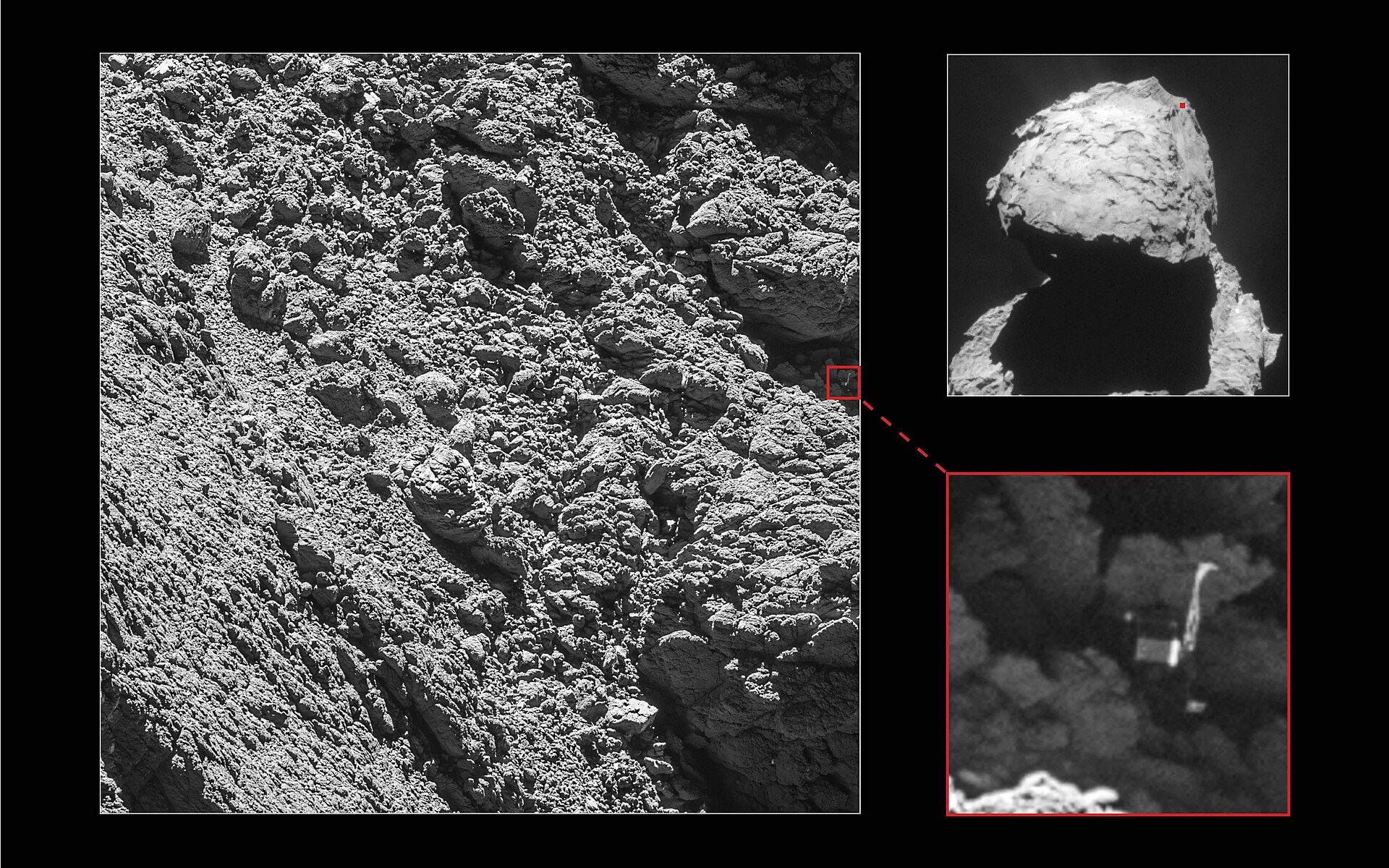
The Philae lander, carried by the European Space Agency's Rosetta mission, performs the first landing on a comet. The descent to 67P/Churyumov–Gerasimenko was an extraordinary technical achievement, although the anchoring harpoons did not work as planned and Philae bounced before coming to rest in an area with little sunlight.
Despite the difficulties, Philae transmitted valuable scientific data. Rosetta, meanwhile, accompanied the comet on its journey around the Sun, observing changes in its activity, jets, surface, and composition. The mission provided a direct view of primitive Solar System bodies linked to questions about water, organic molecules, and planetary formation.
Rosetta was also a highly effective communication project. ESA explained the journey through images, animations, and public campaigns that helped make an extremely complex mission accessible to non-specialist audiences.
More information: https://en.wikipedia.org/wiki/Rosetta_(spacecraft) | https://en.wikipedia.org/wiki/Philae_(spacecraft)
Related video: https://www.youtube.com/watch?v=T6aGXAhmyzs
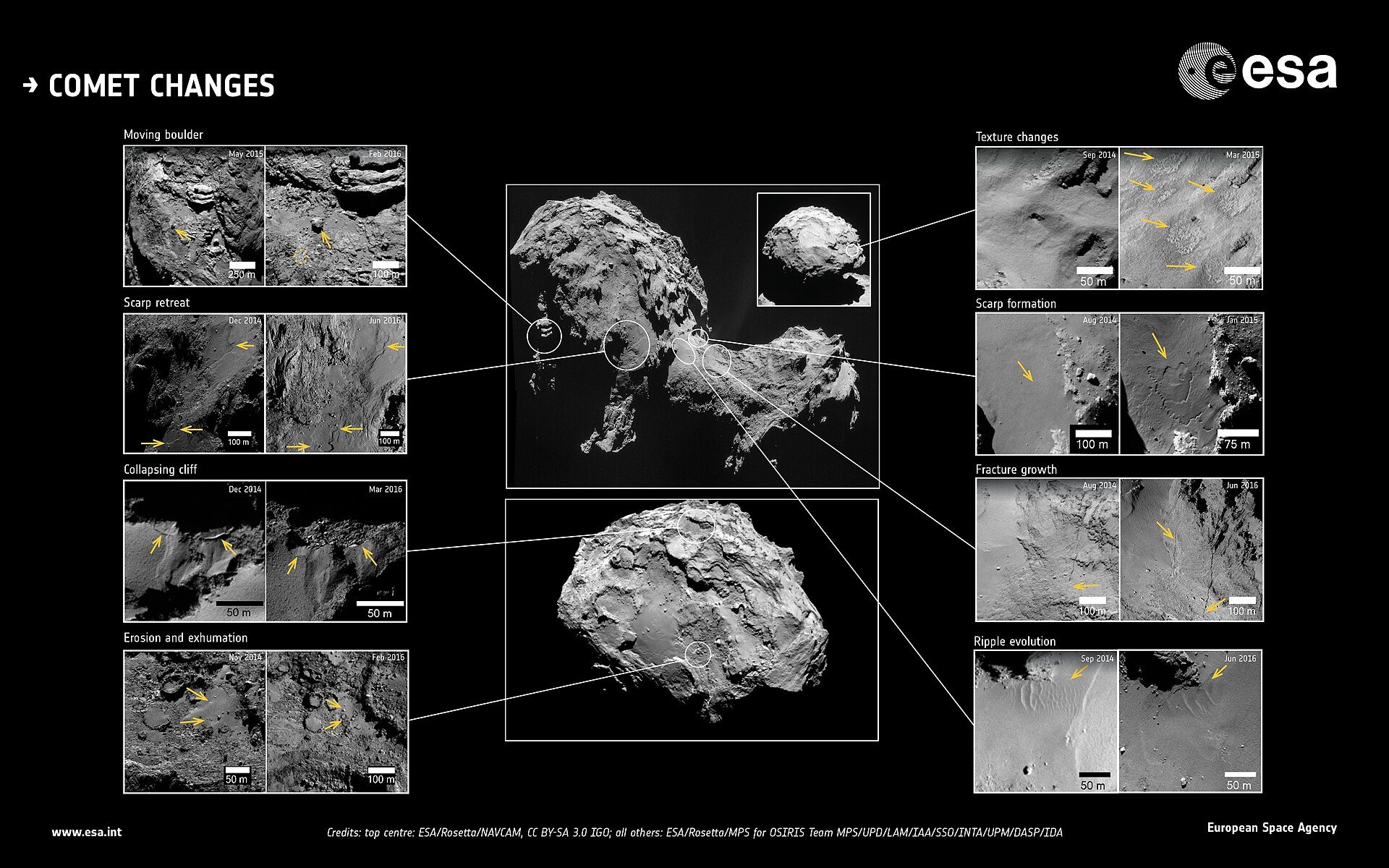
New Horizons flies past Pluto
The New Horizons probe performs the first flyby of Pluto and its moons. Until then, Pluto was little more than a blurred point even through the best telescopes. The mission revealed ice mountains, young plains, a tenuous atmosphere, and unexpectedly active geology.
The Pluto flyby symbolically completed the first direct exploration of the classical planets and broadened interest in the Kuiper Belt. New Horizons showed that even small, cold worlds can be geologically complex.
More information: https://en.wikipedia.org/wiki/New_Horizons | https://science.nasa.gov/mission/new-horizons/
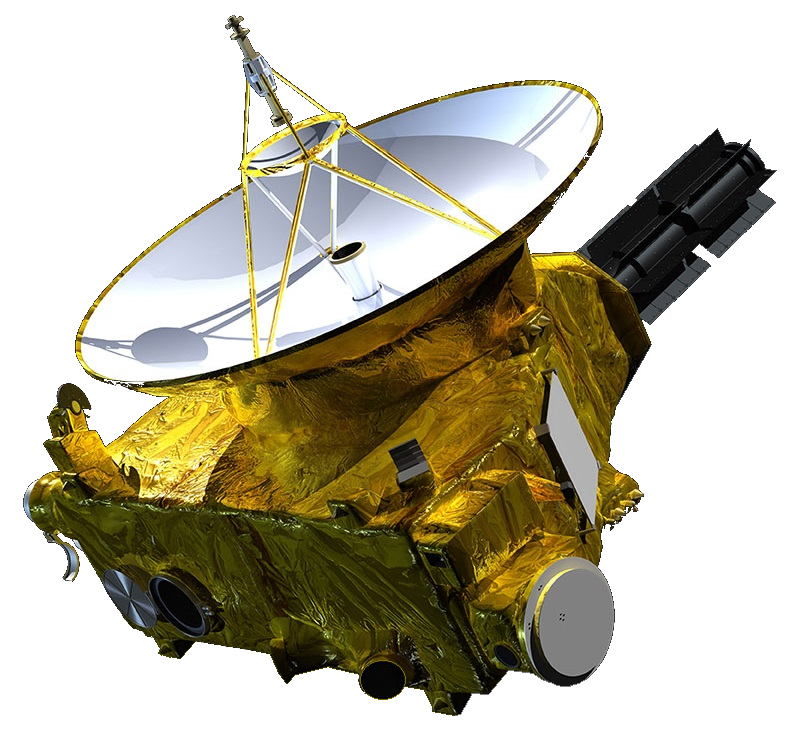
First landing of a reusable rocket
SpaceX successfully lands the first stage of a Falcon 9 vertically on solid ground after launching ORBCOMM-2 satellites. It was not the first attempt at reusability in space history, but it was a key milestone in the operational recovery of modern orbital rocket stages.
The landing changed the economics and culture of space launch. Until then, most orbital rockets were used only once. Recovering and reusing first stages promised to reduce costs, increase launch cadence, and make access to orbit more flexible. The concept became established in the following years through drone-ship landings, reflights, and a growing number of commercial missions.
Reusability does not eliminate every cost or limitation of access to space, but it became one of the most important transformations since the end of the Space Shuttle program. It also pressured other agencies and companies to rethink their launch vehicles.
More information: https://en.wikipedia.org/wiki/Falcon_9_flight_20 | https://en.wikipedia.org/wiki/Reusable_launch_vehicle
Related video: https://www.youtube.com/watch?v=ANv5UfZsvZQ
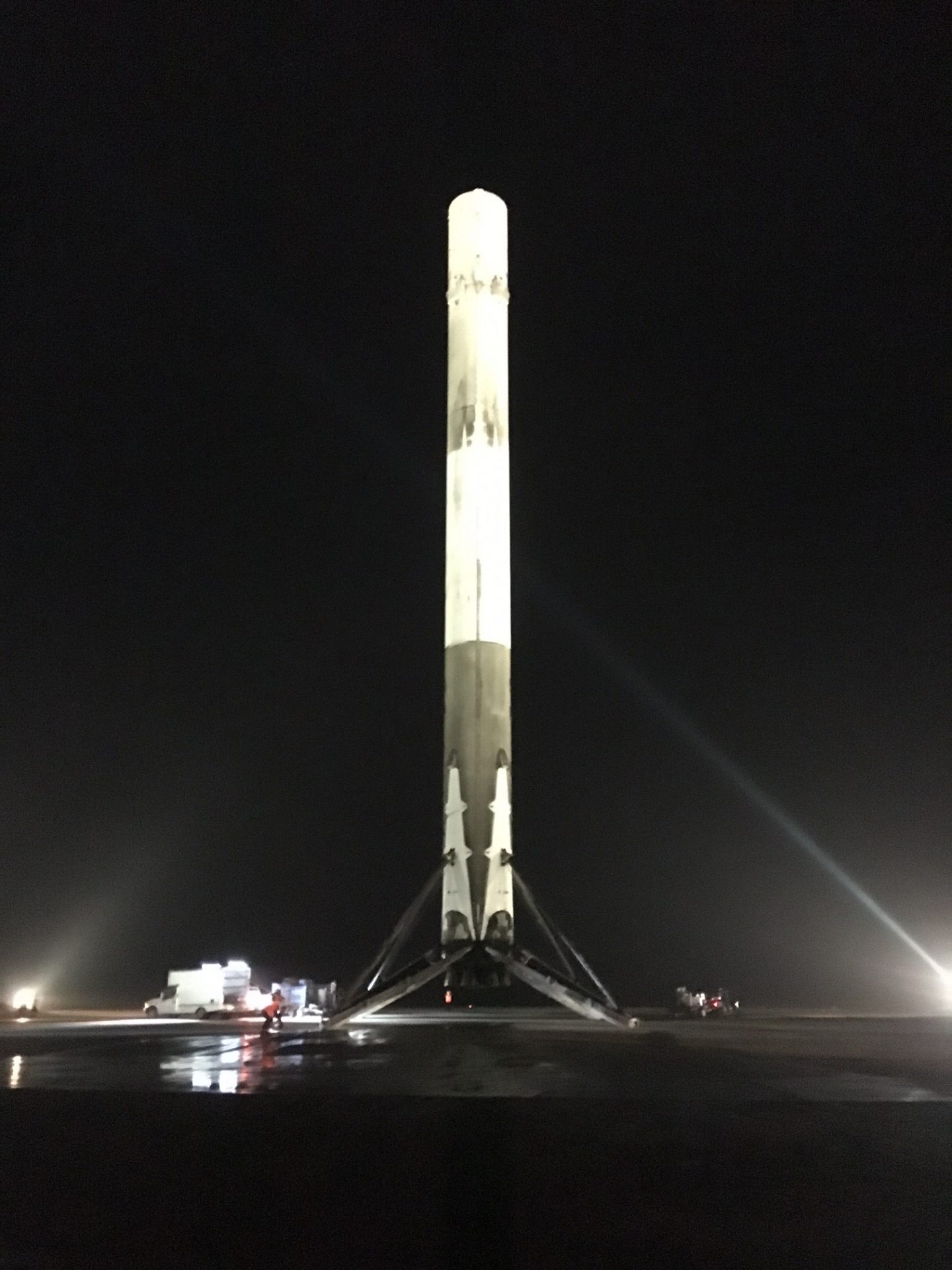
Juno enters orbit around Jupiter
NASA's Juno probe enters orbit around Jupiter to study its interior, atmosphere, magnetosphere, and composition. Its polar trajectory made it possible to observe regions of the planet that had never been seen in such detail.
Juno has revealed polar cyclones, deep atmospheric structures, details of the magnetic field, and data about water content. Understanding Jupiter is essential to studying the formation of the Solar System because the gas giant preserves clues about the early distribution of materials.
More information: https://en.wikipedia.org/wiki/Juno_(spacecraft) | https://science.nasa.gov/mission/juno/
First flight of Falcon Heavy
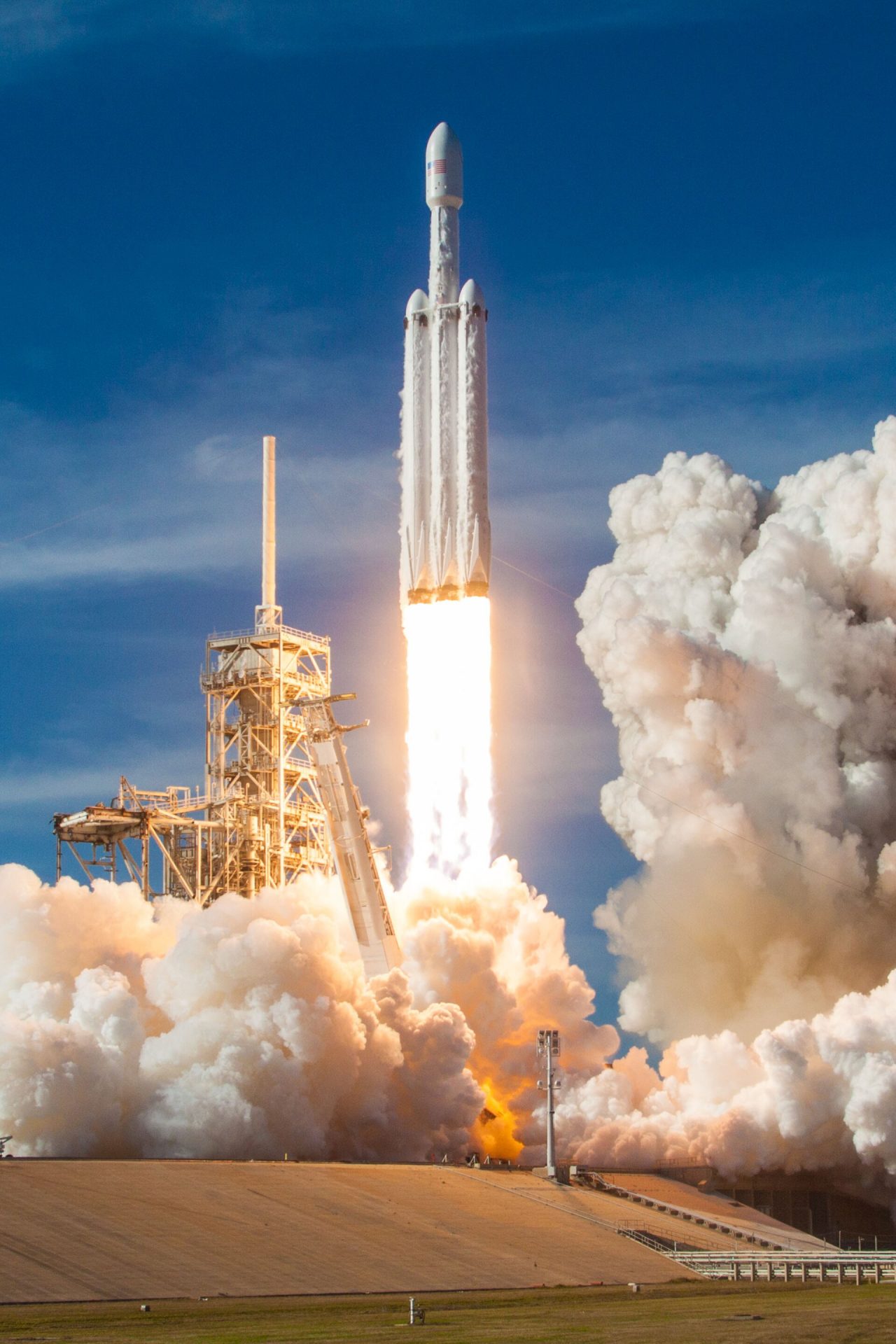
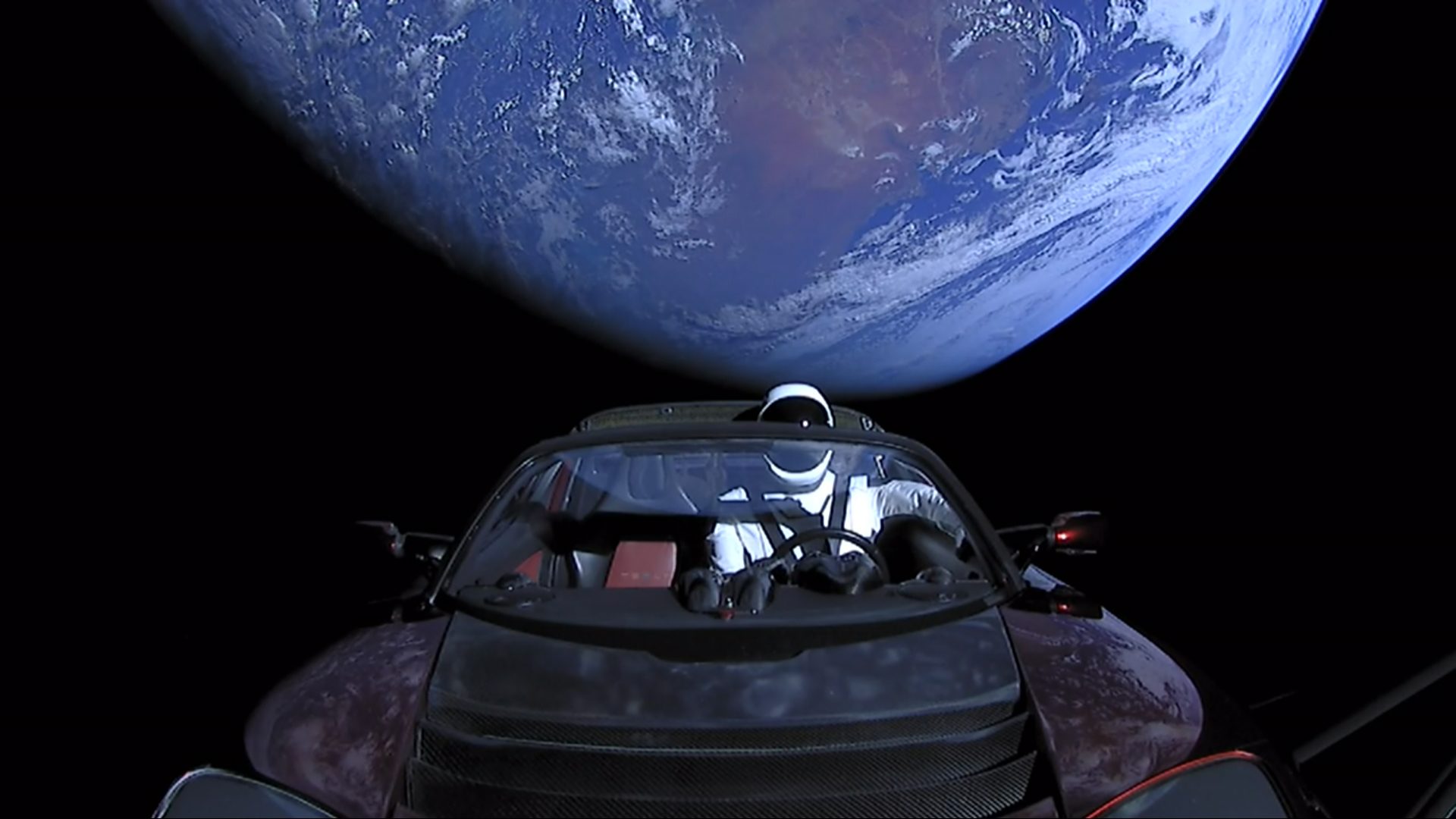
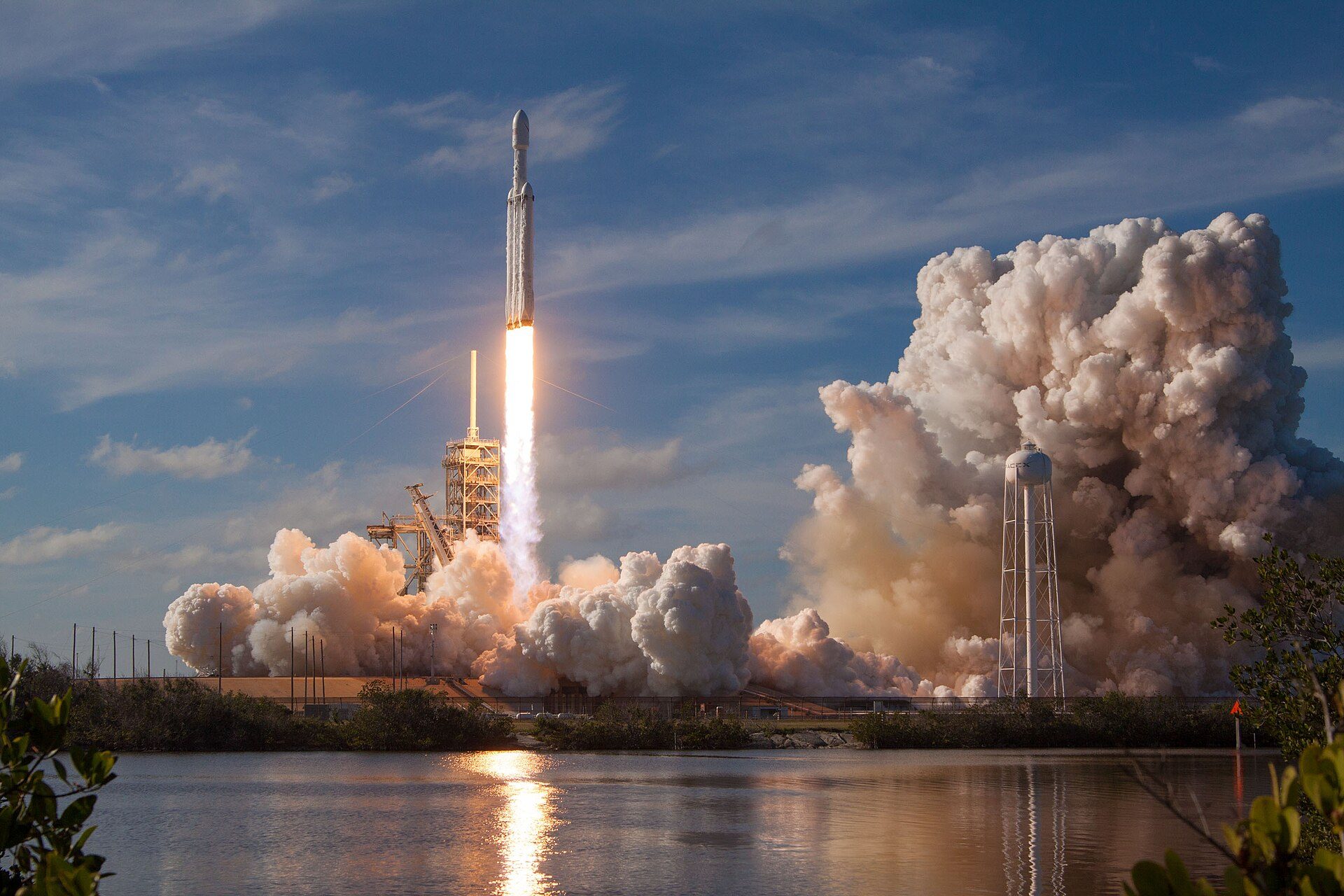
SpaceX launches Falcon Heavy for the first time, then the most powerful operational rocket in the world. The demonstration payload was a Tesla Roadster, a widely discussed communication decision that turned the launch into a major media event.
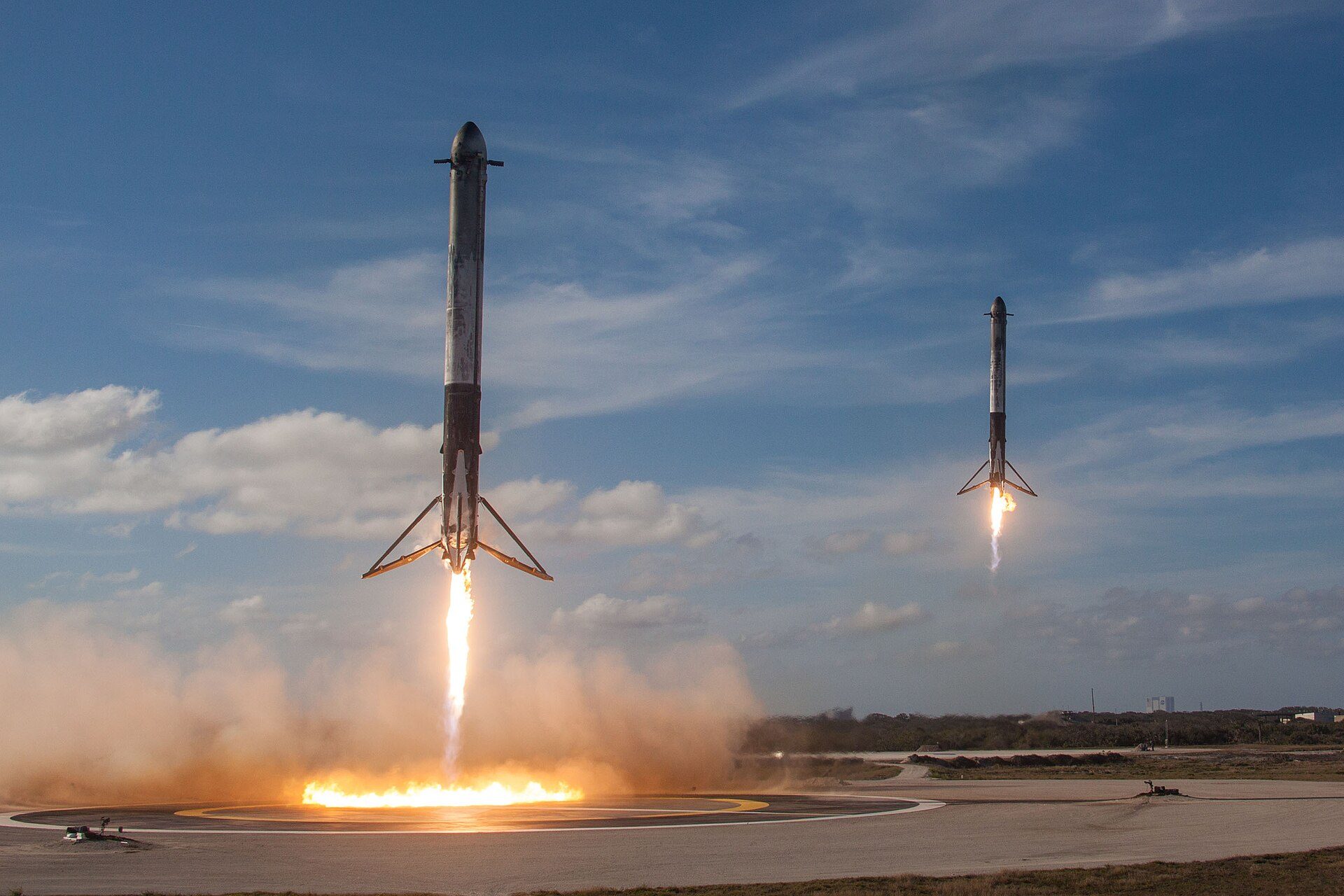
Beyond the spectacle, the flight demonstrated the ability to combine three Falcon 9 cores and recover several of them. Falcon Heavy provided important intermediate capacity for heavy payloads, interplanetary missions, and institutional contracts.
More information: https://en.wikipedia.org/wiki/Falcon_Heavy_test_flight
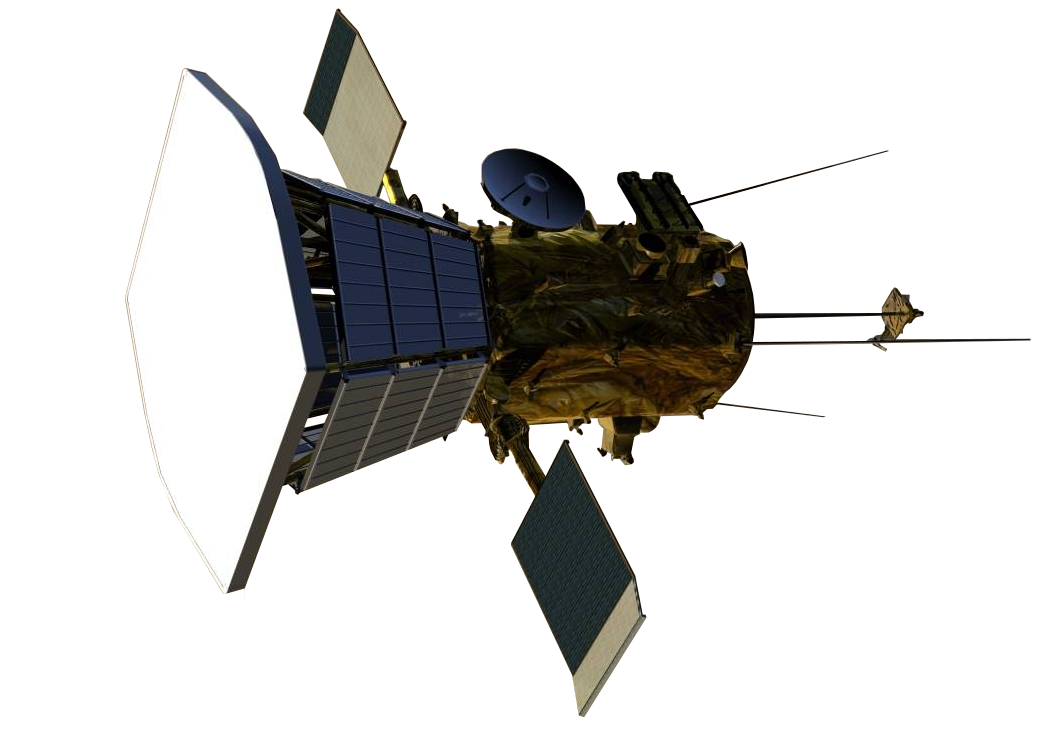
Parker Solar Probe heads toward the Sun
NASA's Parker Solar Probe is launched to study the solar corona and approach the Sun more closely than any previous spacecraft. It uses gravity assists from Venus to gradually reduce its perihelion and reach record speeds.
The mission seeks to understand why the solar corona is so hot, how the solar wind is accelerated, and how phenomena that affect space weather originate. Its data are important not only for solar physics, but also for protecting satellites, power grids, and future human missions.
More information: https://en.wikipedia.org/wiki/Parker_Solar_Probe | https://science.nasa.gov/mission/parker-solar-probe/
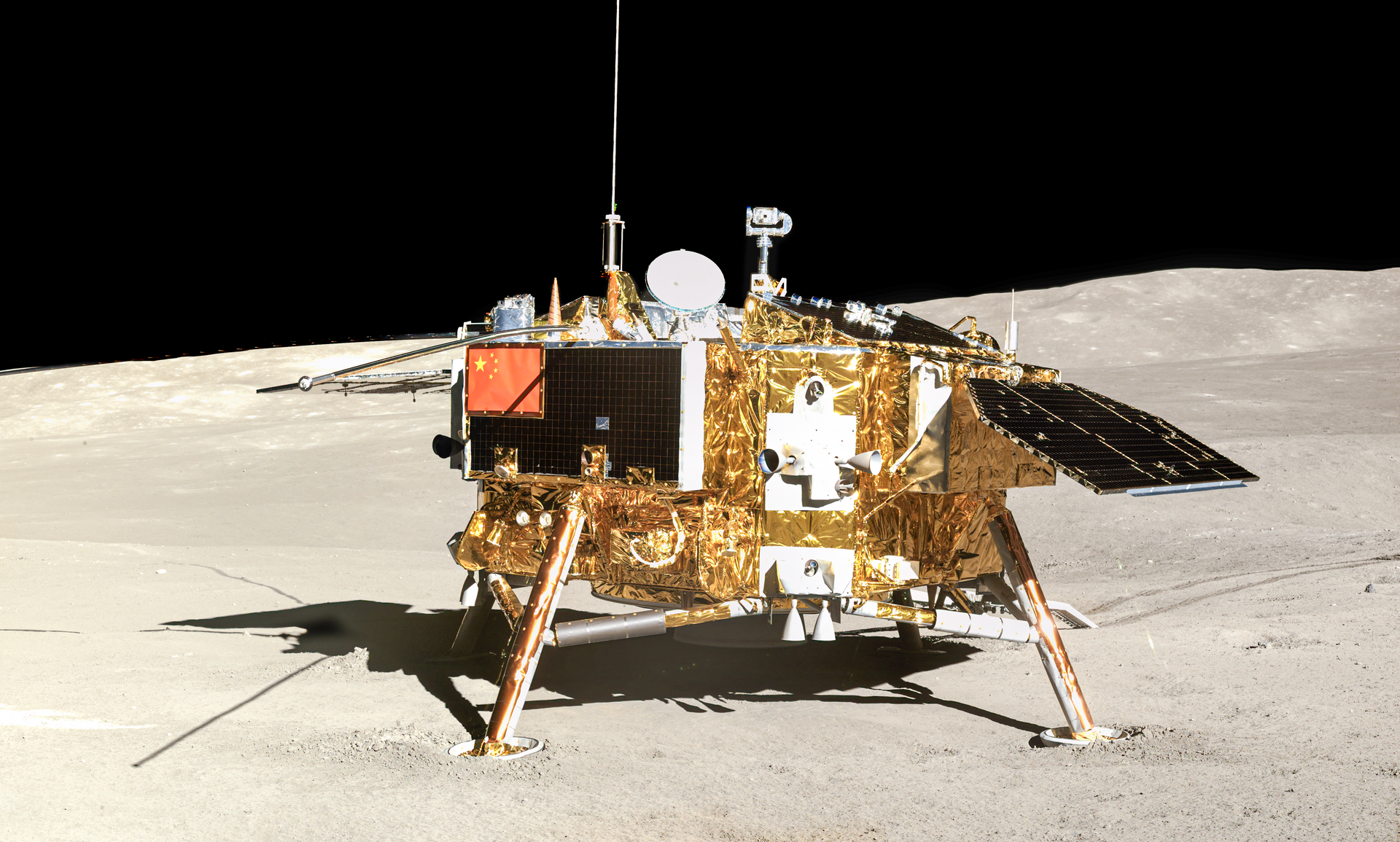
Chang'e 4 lands on the far side of the Moon
China's Chang'e 4 mission performs the first soft landing on the far side of the Moon. Because that region has no direct line of sight to Earth, the mission required a relay satellite, Queqiao, positioned to maintain communications.
The success demonstrated China's ability to carry out complex lunar operations and opened a new phase of far-side exploration. The Yutu-2 rover studied the terrain of Von Kármán crater and returned data from a region very different from the areas visited by the Apollo and Luna missions.
More information: https://en.wikipedia.org/wiki/Change_4 | https://en.wikipedia.org/wiki/Yutu-2
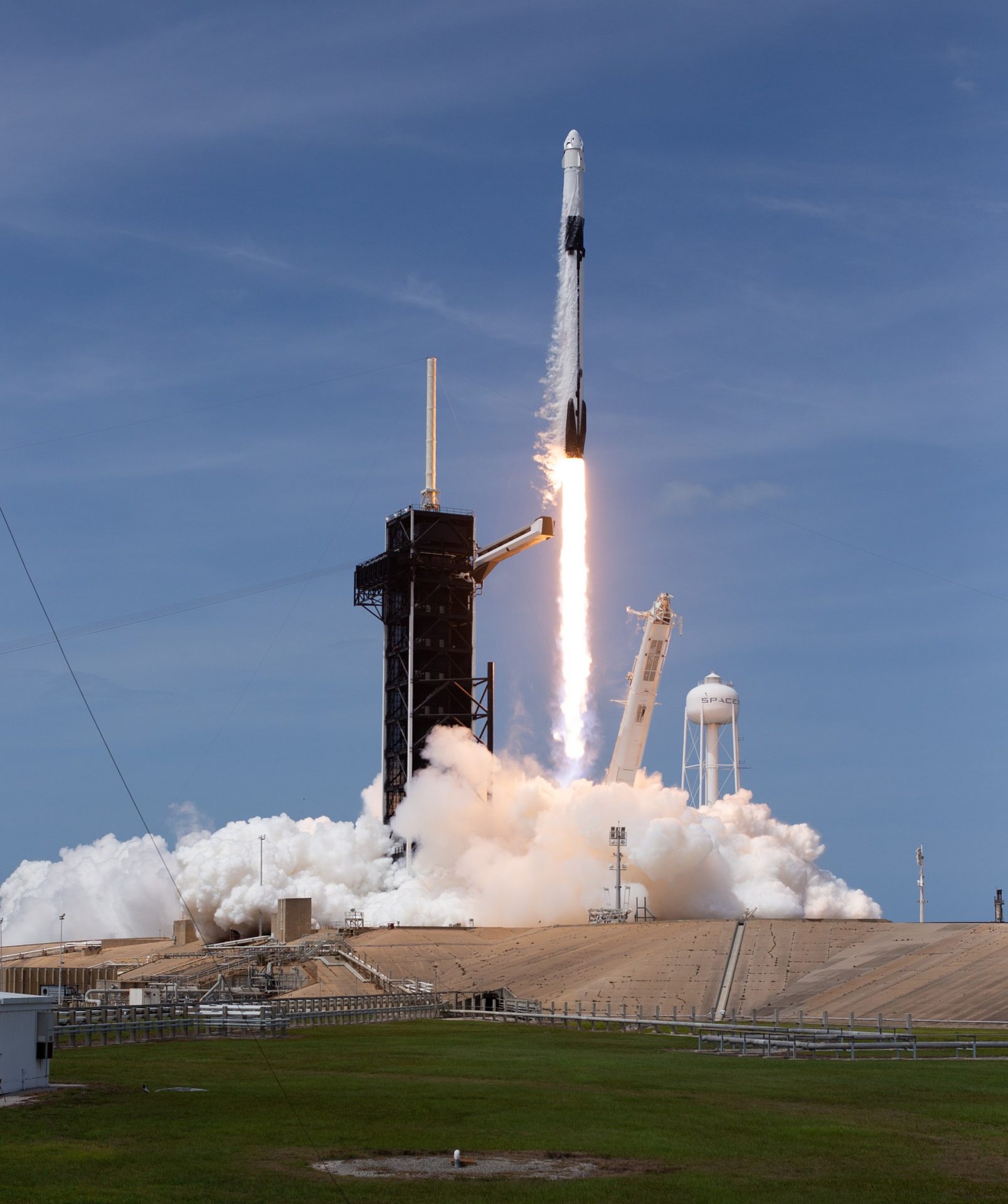
SpaceX's first crewed flight
The Crew Dragon Demo-2 mission carries astronauts Bob Behnken and Doug Hurley to the International Space Station. It was the first crewed orbital launch from the United States since the end of the Space Shuttle program and the first crewed orbital flight operated by a private company under contract to NASA.
Demo-2 validated the Crew Dragon system within the Commercial Crew Program. The mission did not privatize exploration in an absolute sense: NASA continued to define requirements, certification, safety, and objectives. But it marked a new relationship between a public agency and a commercial provider, with vehicles developed and operated by companies to provide transportation services to low Earth orbit.
The flight reduced U.S. dependence on Soyuz for access to the ISS and opened an era of regular Crew Dragon missions. It also strengthened the role of reusability and commercial industry in contemporary space infrastructure.
More information: https://en.wikipedia.org/wiki/Crew_Dragon_Demo-2 | https://www.nasa.gov/specials/dm2/
Related video: https://www.youtube.com/watch?v=tikZjwdhtSk
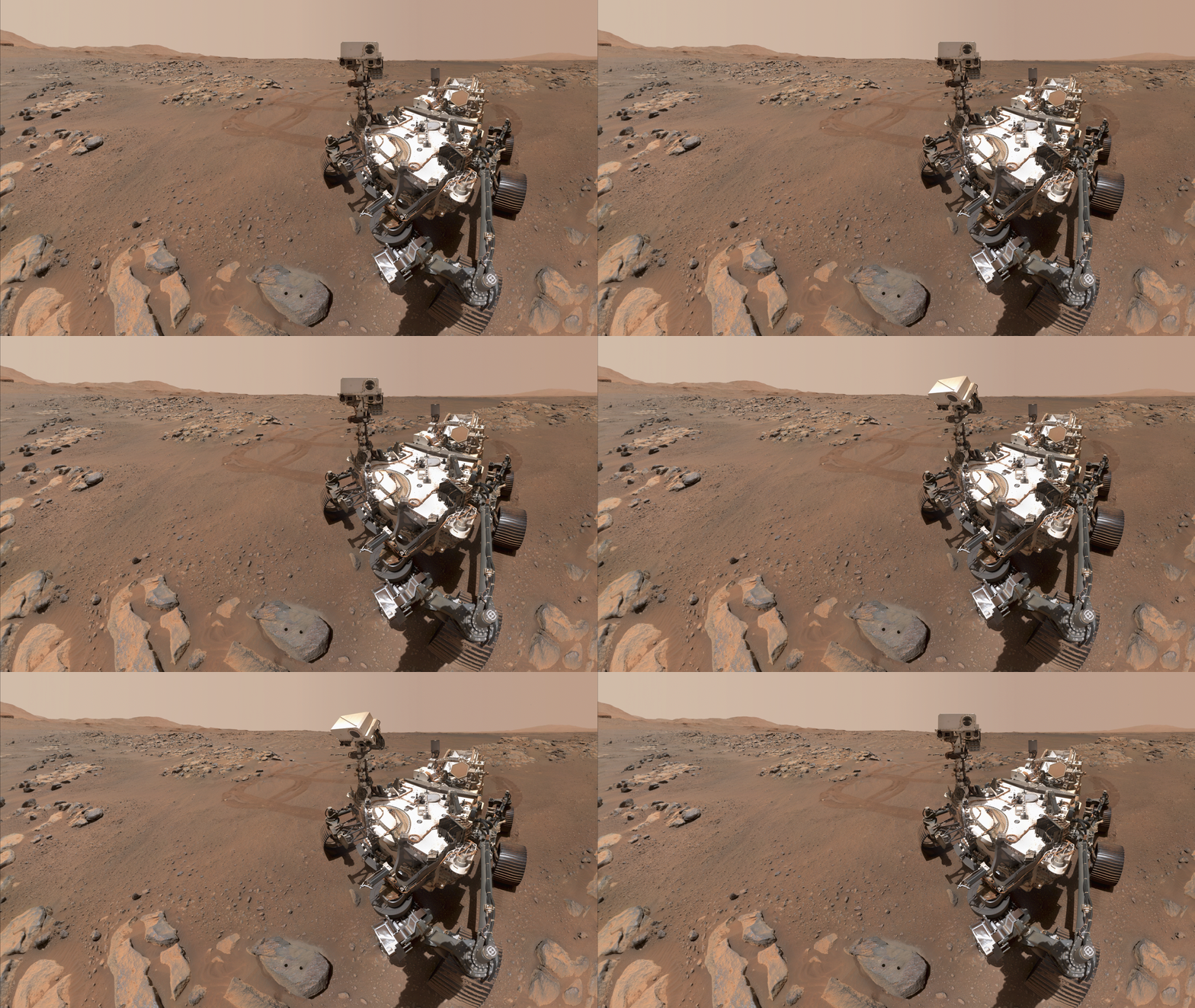
Perseverance and Ingenuity arrive on Mars
The Perseverance rover lands in Jezero Crater as part of the Mars 2020 mission. Its main objective is to search for evidence of past habitability and collect samples that may be retrieved by a future return campaign. The landing site was selected because Jezero was probably an ancient lake with a river delta.
Perseverance carries instruments to study geology, chemistry, climate, and possible biosignatures. It also stores rock cores in sealed tubes, a strategy that makes the mission the first step in a broader project: bringing Martian samples to Earth for analysis in terrestrial laboratories.
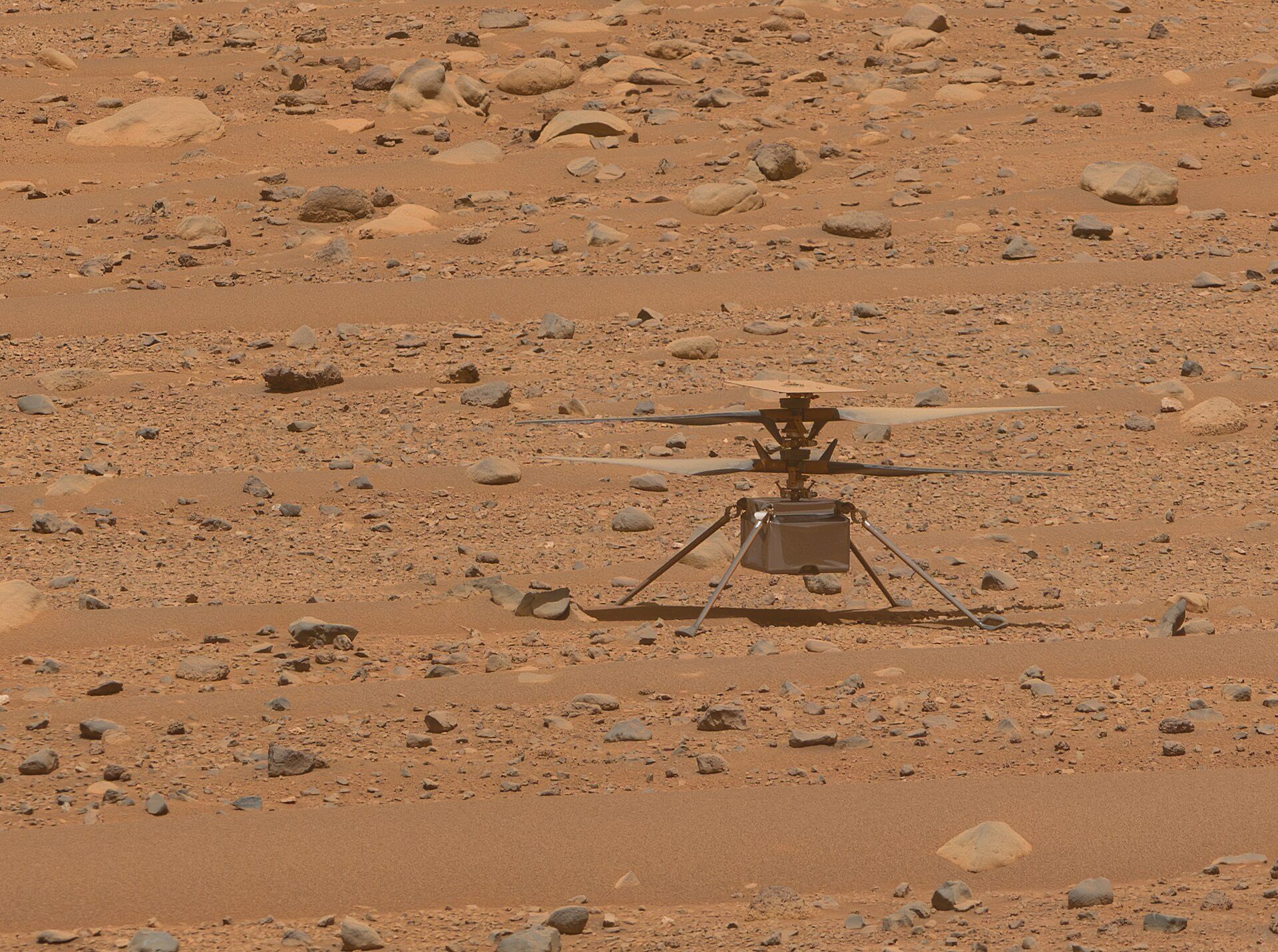
The mission also included Ingenuity, a small experimental helicopter. Its first flight on Mars demonstrated that powered, controlled flight was possible in the Martian atmosphere, which is much thinner than Earth's. Ingenuity evolved from a technology demonstrator into an auxiliary explorer, helping scientists imagine future missions with planetary drones.
Perseverance also contributes to preparation for human exploration: it tests technologies, studies dust, observes weather, and carries the MOXIE experiment, which produced oxygen from Martian carbon dioxide. That capability points toward future strategies for in-situ resource utilization.
More information: https://mars.nasa.gov/mars2020/ | https://en.wikipedia.org/wiki/Perseverance_(rover) | https://en.wikipedia.org/wiki/Ingenuity_(helicopter)
Related video: https://www.youtube.com/watch?v=4czjS9h4Fpg
The sample-collection program is one of the most ambitious elements of Mars 2020. Perseverance does not analyze everything in situ: it selects rocks, drills cores, seals them in tubes, and leaves them prepared for a future retrieval mission. The most precise science would be conducted on Earth with microscopes, spectrometers, and laboratories that cannot be fully miniaturized for a rover.
Ingenuity played an unexpectedly transformative role. It was sent as a technology demonstrator with a very short planned lifetime, but it ultimately completed dozens of flights and helped explore routes and terrain. Its achievements changed how planetary mobility is understood: Mars can be explored not only by rovers, but also by small flying vehicles capable of examining cliffs, craters, and difficult-to-reach areas.
The mission also illustrates how modern exploration combines science, engineering, and preparation for human missions. MOXIE demonstrated experimental oxygen production, Perseverance measures dust and weather, and radiation and terrain data support models for future expeditions. It is not merely an isolated Mars mission, but a component of a long-term strategy.
China launches the Tianhe module for its space station
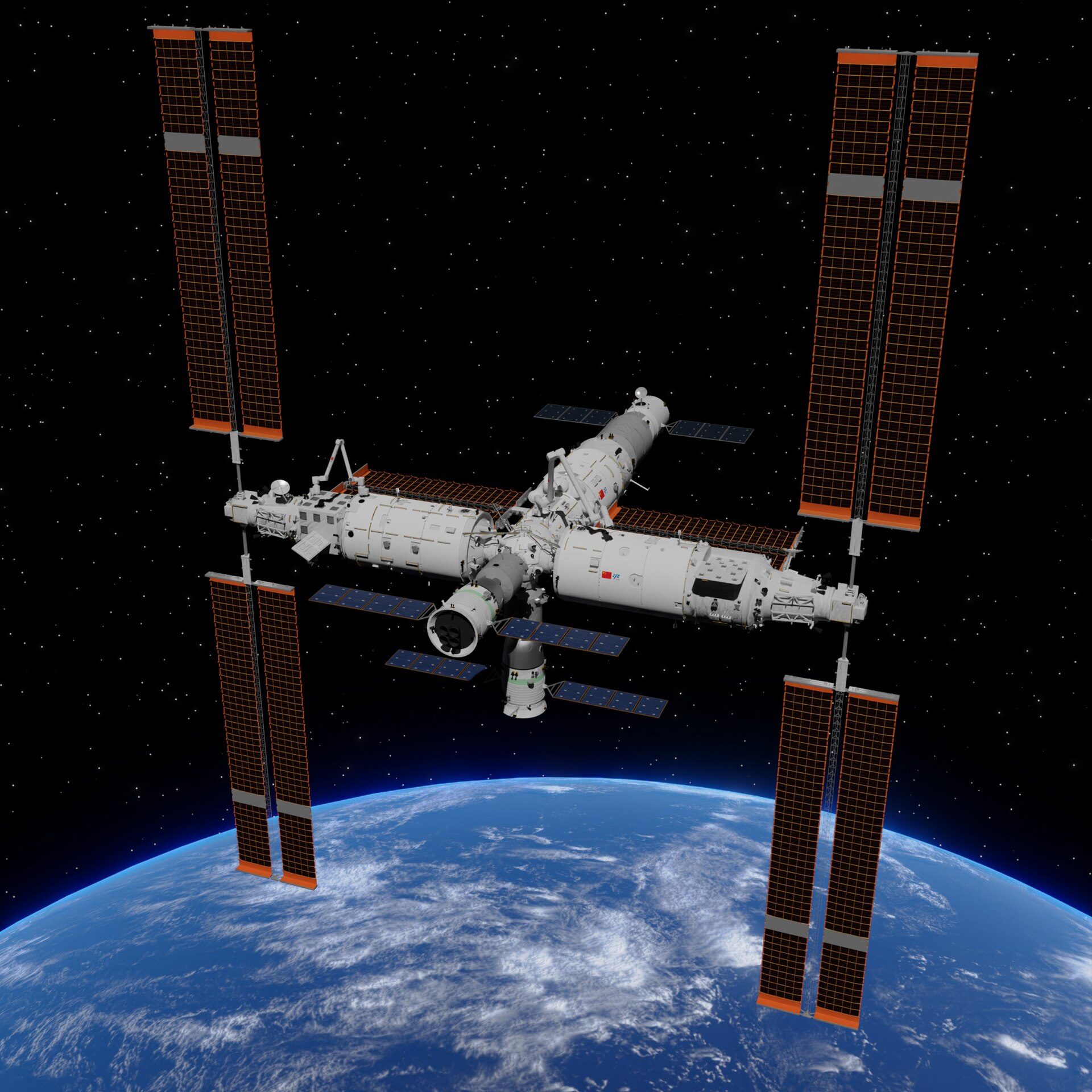
China launches Tianhe, the core module of its Tiangong space station. The launch begins construction of a national modular station in low Earth orbit intended for research, long-duration human presence, and technological demonstration.
Tiangong confirms that China has moved from individual crewed flights to sustained orbital infrastructure. The station expands the number of actors capable of operating inhabited laboratories and diversifies the geopolitical landscape of space exploration.
More information: https://en.wikipedia.org/wiki/Tiangong_space_station | https://en.wikipedia.org/wiki/Tianhe_core_module
Launch of the James Webb Space Telescope
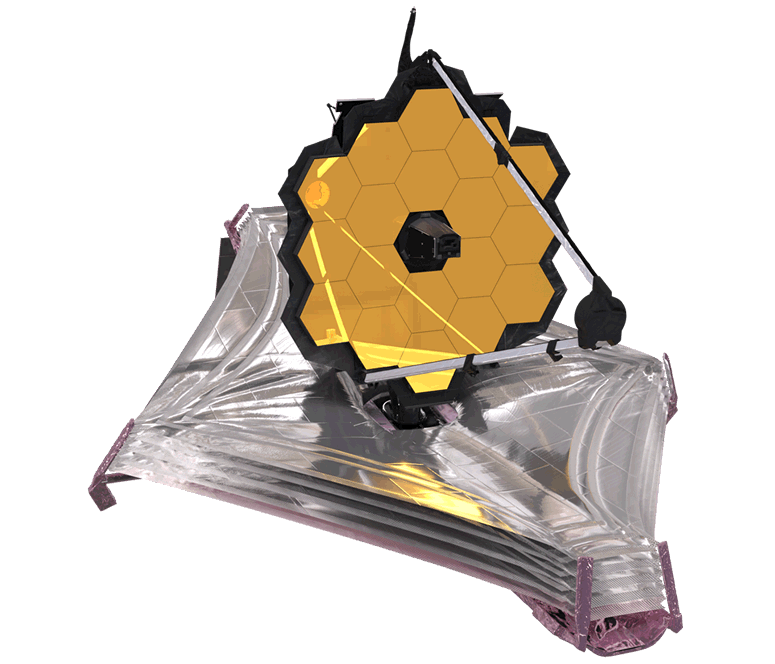
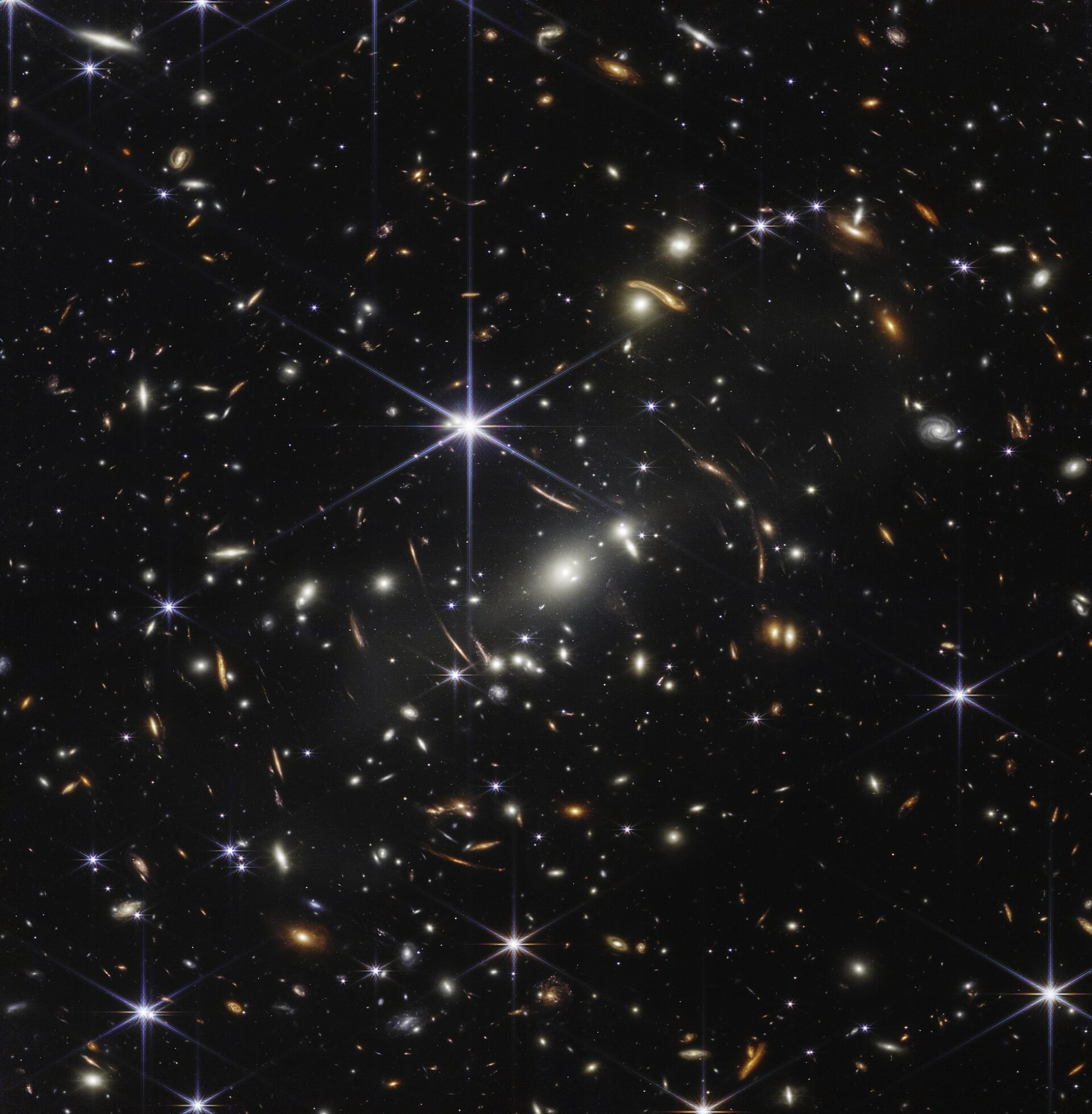
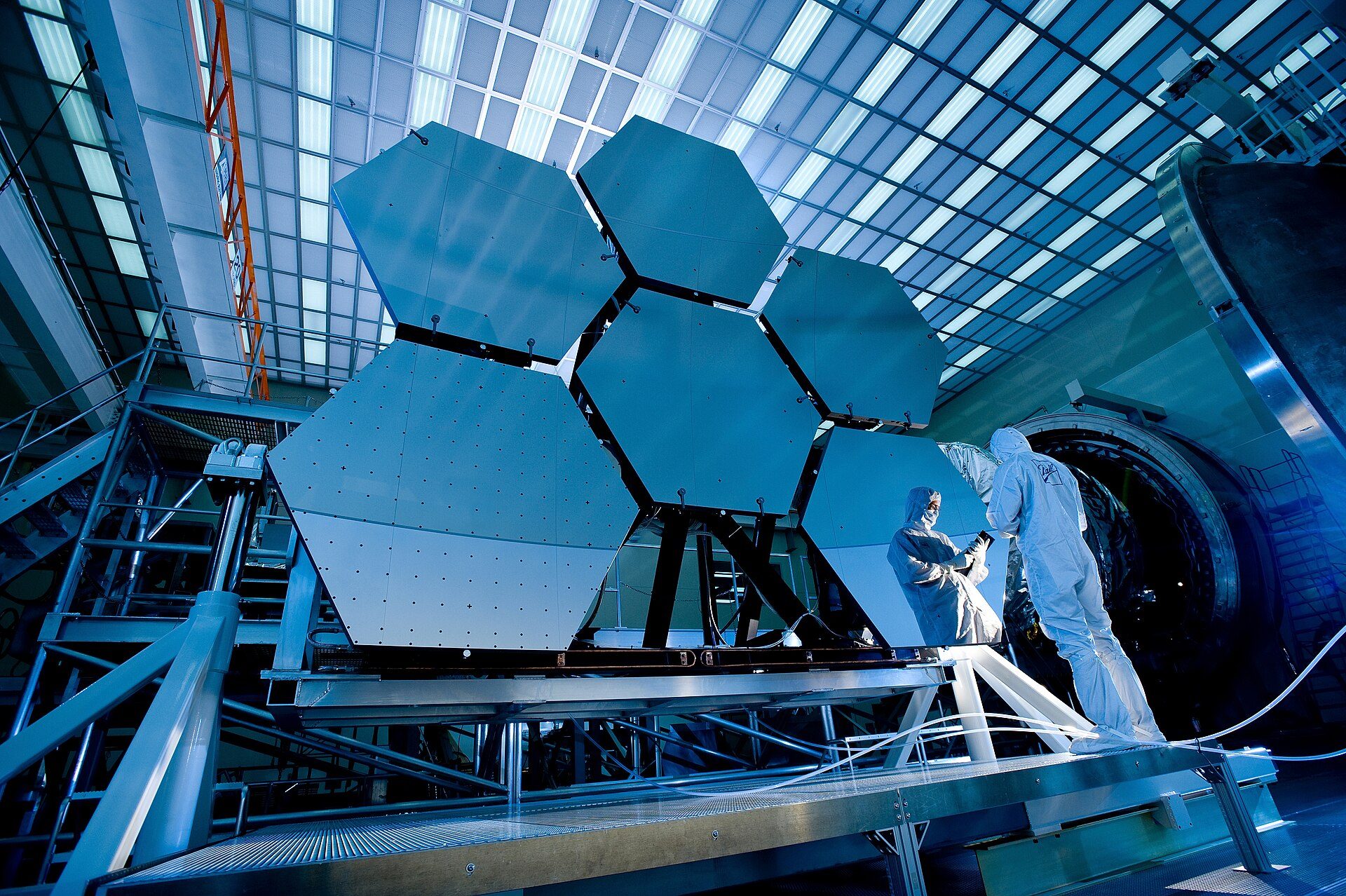
The James Webb Space Telescope is launched aboard an Ariane 5 rocket from French Guiana. Developed by NASA with contributions from ESA and CSA, Webb was designed primarily for infrared observations and to study subjects ranging from the earliest galaxies to exoplanet atmospheres.
Its deployment was one of the most delicate sequences ever carried out by a scientific mission: the sunshield, segmented mirrors, instruments, and orbit around the L2 point all had to function correctly. Unlike Hubble, Webb was not designed to be repaired by astronauts, making successful deployment critical.
Webb opened a new stage in space astronomy. Its observations make it possible to study extremely distant and ancient objects, peer through dusty regions where stars form, and analyze the composition of planetary atmospheres. Although it is not a crewed exploration mission, it extends the reach of human exploration through deep observation of the universe.
More information: https://en.wikipedia.org/wiki/James_Webb_Space_Telescope | https://science.nasa.gov/mission/webb/
Related video: https://www.youtube.com/watch?v=7nT7JGZMbtM
DART impacts Dimorphos
NASA's DART mission deliberately impacts Dimorphos, a small moon of the asteroid Didymos. The objective was to test whether a kinetic impact could measurably alter the orbit of a near-Earth object.
DART was the first real demonstration of planetary defense through asteroid deflection. The impact did not target a threat to Earth, but a binary system selected so that the orbital change could be measured precisely. The results showed that the technique can work, although an actual planetary defense response would require early detection, characterization of the object, and international coordination.
More information: https://en.wikipedia.org/wiki/Double_Asteroid_Redirection_Test | https://www.nasa.gov/planetarydefense/dart/
Related video: https://www.youtube.com/watch?v=4RA8Tfa6Sck
Artemis I mission
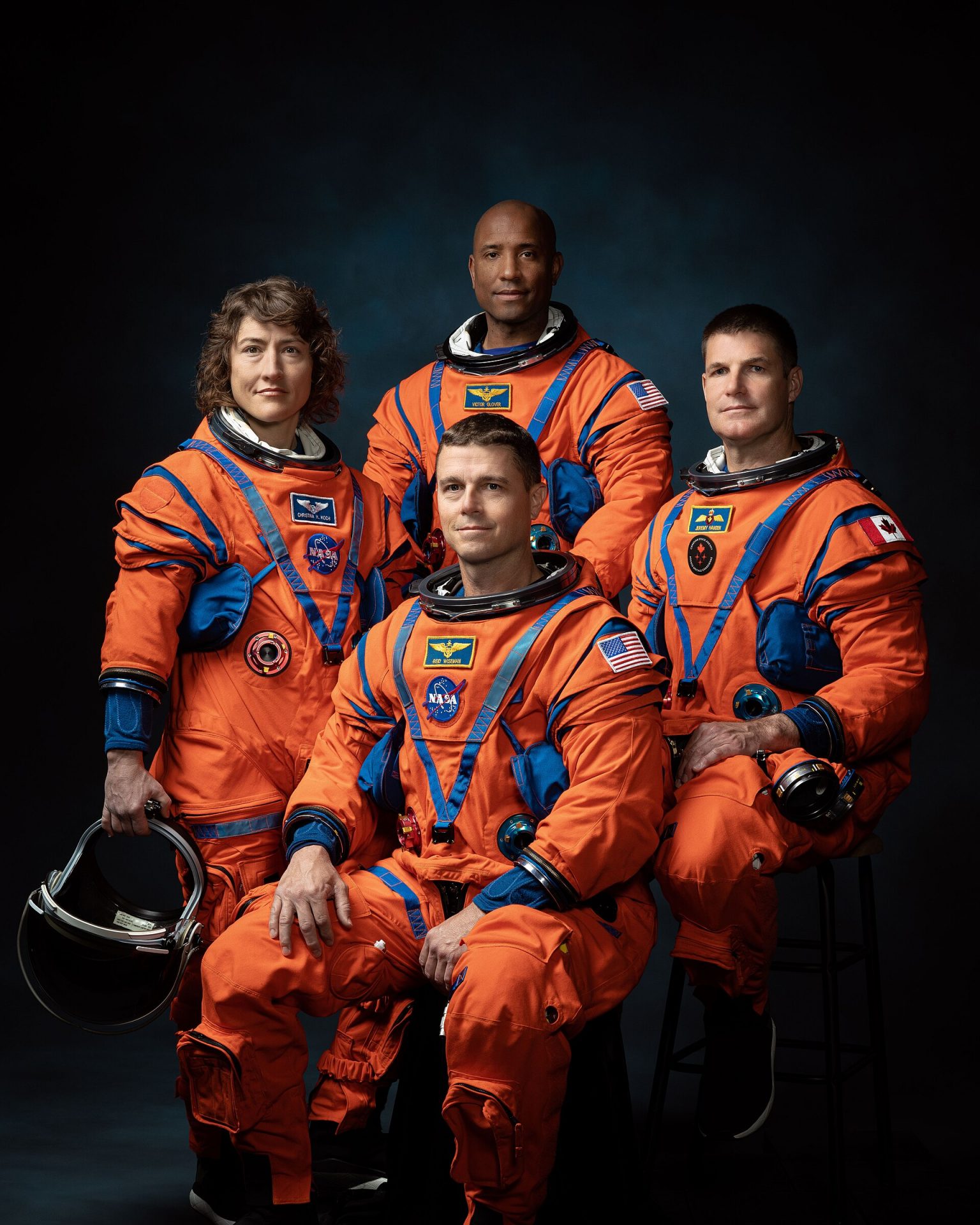
Artemis I was the first integrated flight of the Space Launch System rocket and the Orion spacecraft. The mission carried no crew, but sent Orion around the Moon and back to Earth to validate critical systems before future crewed flights.
The flight tested the SLS launch, Orion operations in deep space, maneuvers around the Moon, communications, navigation, power generation, thermal control, and high-speed reentry. The capsule splashed down in the Pacific after completing a trajectory that carried it beyond the Moon.
Artemis I was important because it reopened the U.S. path toward crewed lunar missions beyond low Earth orbit. Unlike Apollo, Artemis is conceived as a program of sustained presence, with international cooperation, Gateway modules, commercial lunar landing systems, and the goal of preparing for Mars.
More information: https://en.wikipedia.org/wiki/Artemis_1 | https://www.nasa.gov/specials/artemis-i/
Related video: https://www.youtube.com/watch?v=CMLD0Lp0JBg
Chandrayaan-3 lands near the lunar south pole
India achieves a soft landing on the Moon with Chandrayaan-3 and becomes the first country to place a mission near the lunar south polar region. The mission included the Vikram lander and the Pragyan rover.
The success was important both technically and geopolitically. The lunar polar region is of interest because of its illumination conditions, geology, and the possible presence of water ice in permanently shadowed areas. Chandrayaan-3 established ISRO as one of the leading actors in the new era of lunar exploration.
More information: https://en.wikipedia.org/wiki/Chandrayaan-3 | https://www.isro.gov.in/Chandrayaan3.html
OSIRIS-REx returns samples from asteroid Bennu
The OSIRIS-REx mission capsule lands in Utah carrying samples from asteroid Bennu. The spacecraft had collected material in 2020 through a brief touch-and-go maneuver on the asteroid's surface.
Returning samples from Bennu makes it possible to study primitive Solar System materials with laboratory instruments. Asteroids such as Bennu contain clues about early chemistry, organic molecules, water bound in minerals, and processes that preceded planet formation. The mission also helps scientists understand near-Earth objects and long-term impact risks.
More information: https://en.wikipedia.org/wiki/OSIRIS-REx | https://science.nasa.gov/mission/osiris-rex/
Artemis program (initial phase)
The Artemis program is NASA's and its partners' strategy for returning crews to the Moon and developing a more sustainable presence than the Apollo program achieved. It includes the Orion spacecraft, the SLS rocket, lunar landing systems, spacesuits, surface infrastructure, the Gateway station, and international cooperation through the Artemis Accords.
Artemis is not simply a repetition of Apollo. Its approach combines scientific, technological, diplomatic, and commercial objectives. It seeks to explore lunar regions of high interest, especially the south polar environment, where deposits of water ice may exist in permanently shadowed craters. If lunar water can be extracted usefully, it could support life-support systems and the production of oxygen and fuel.
The initial phase of the program includes test missions and crewed missions around the Moon before new landings are attempted. It also introduces a more distributed architecture: NASA is not developing every element internally, but contracting services and systems from companies while coordinating international contributions.
The program should be understood as part of a new stage of lunar exploration involving the United States, Europe, Japan, Canada, private companies, China, India, and other actors. The Moon is again a scientific and strategic destination, but in a far more multipolar environment than that of the 1960s.
More information: https://www.nasa.gov/specials/artemis/ | https://en.wikipedia.org/wiki/Artemis_program
The Artemis architecture is still evolving and depends on many elements that must be coordinated: heavy-lift launch vehicles, crew capsules, lunar suits, landers, communications, surface mobility, power, and logistics. The complexity is greater than in Apollo because the declared goal is not merely to arrive, but to learn how to operate repeatedly and more sustainably.
One of the most important changes is the role of private companies in critical parts of the system. Lunar landers, cargo services, and some surface technologies depend on commercial contracts. This may accelerate innovation and distribute costs, but it also introduces schedule, integration, and supplier-dependency risks.
Artemis is also presented as a step toward Mars. That relationship is not automatic: the Moon and Mars are very different environments. However, the Moon makes it possible to test surface operations, communications, resource use, dust mitigation, suits, habitats, and logistics at a much shorter distance. If managed well, it can serve as a proving ground before undertaking much longer interplanetary missions.
There is also a political dimension. Artemis competes and cooperates within a context of renewed lunar interest: China, India, Japan, Europe, and private companies have their own plans. The Moon is once again a domain of science, prestige, potential resources, and strategic presence. For that reason, Artemis's technical decisions also have diplomatic and commercial consequences.
Chang'e 6 returns samples from the far side of the Moon
China's Chang'e 6 mission returns to Earth with samples collected from the far side of the Moon. It is the first time material from that lunar region has reached terrestrial laboratories.
The achievement extends lunar exploration beyond the equatorial regions and the near side visited by earlier missions. The samples may help compare the geological evolution of the Moon's two hemispheres and improve understanding of the satellite's history of impacts, volcanism, and differentiation.
More information: https://en.wikipedia.org/wiki/Change_6 | https://en.wikipedia.org/wiki/Chinese_Lunar_Exploration_Program
Crewed missions to Mars (estimate)
Crewed missions to Mars remain a long-term goal rather than a fixed schedule. Various agencies and companies have identified the 2030s as a possible horizon for the first human expeditions, but the technical, medical, economic, and political challenges are enormous.
Reaching Mars requires solving problems involving travel duration, radiation, closed-loop life support, entry and descent of large payloads, in-situ resource production, protection from dust, communications delays, and safe return. Unlike the Moon, Mars is months away and does not allow rapid aborts. A human mission would have to operate with a high degree of autonomy.
Current robotic exploration is preparing the way: rovers, orbiters, water studies, meteorology, radiation measurements, and experiments such as MOXIE provide data for future decisions. However, any date must be treated as an estimate rather than a guaranteed commitment. Space history shows that programs of this kind depend on sustained budgets, political priorities, and technological maturity.
More information: https://en.wikipedia.org/wiki/Human_mission_to_Mars | https://www.nasa.gov/humans-in-space/humans-to-mars/