

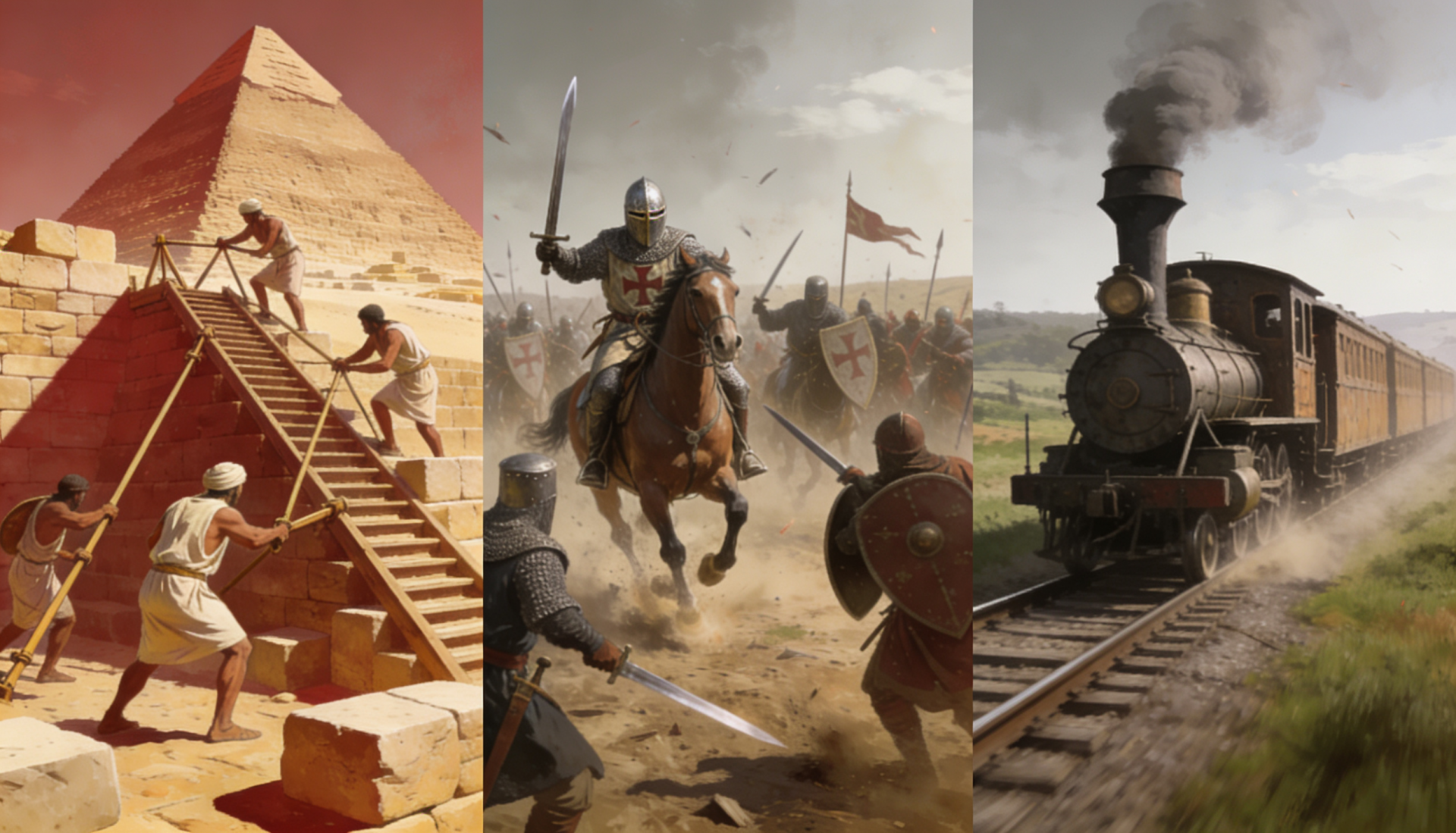
Understanding history through a timeline
This timeline shows how teachers and students can place historical events, periods and movements in context in a clear, visual way.
It includes major historical ages and key artistic periods, from the Ancient Age to the Contemporary Age, with approximate dates that make it easier to compare different processes. It also uses TimeDivers’ special “Today” date, so that periods which are still ongoing remain live within the timeline.
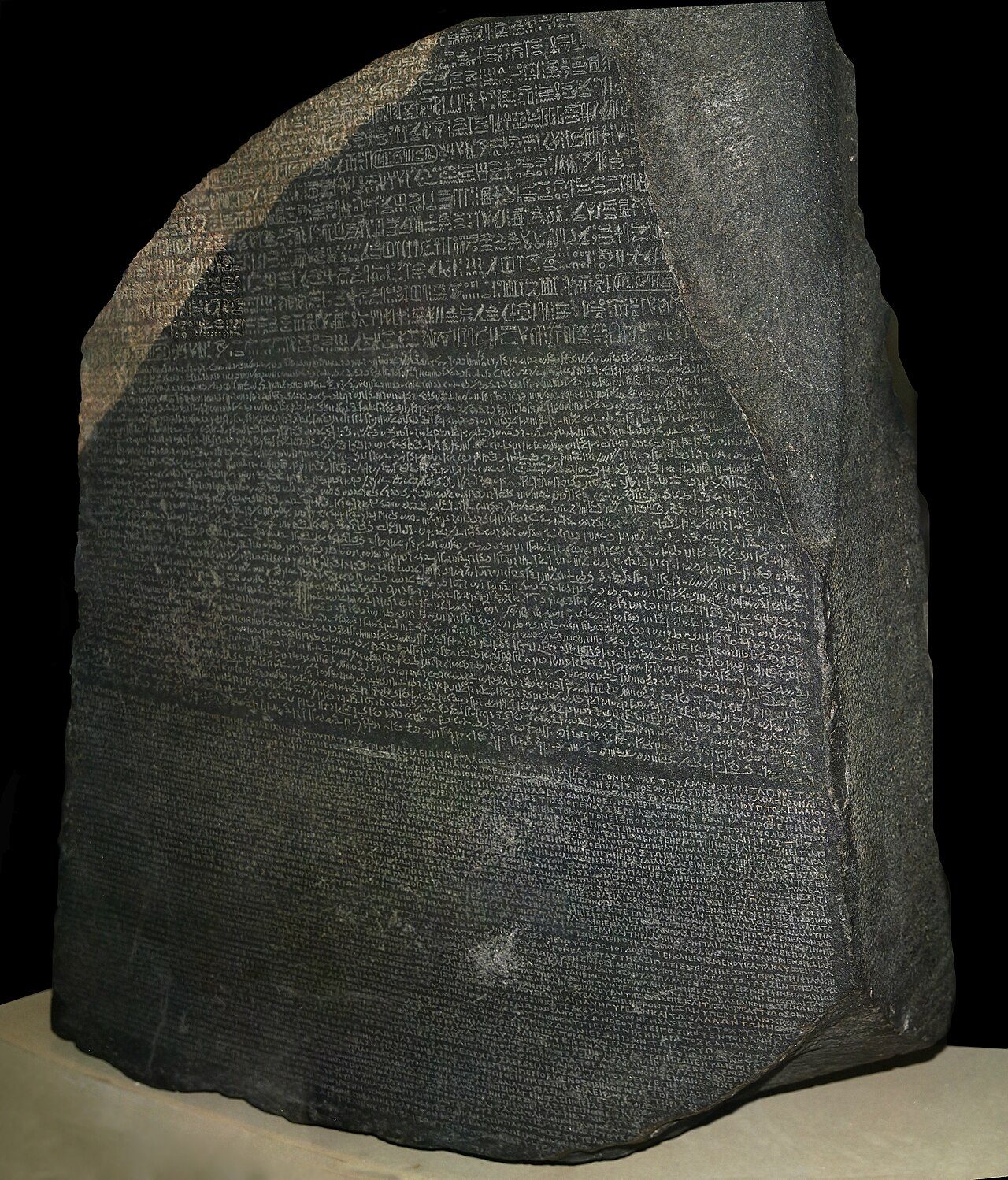 Invention of writing: conventional beginning of Ancient History3300 a. C.
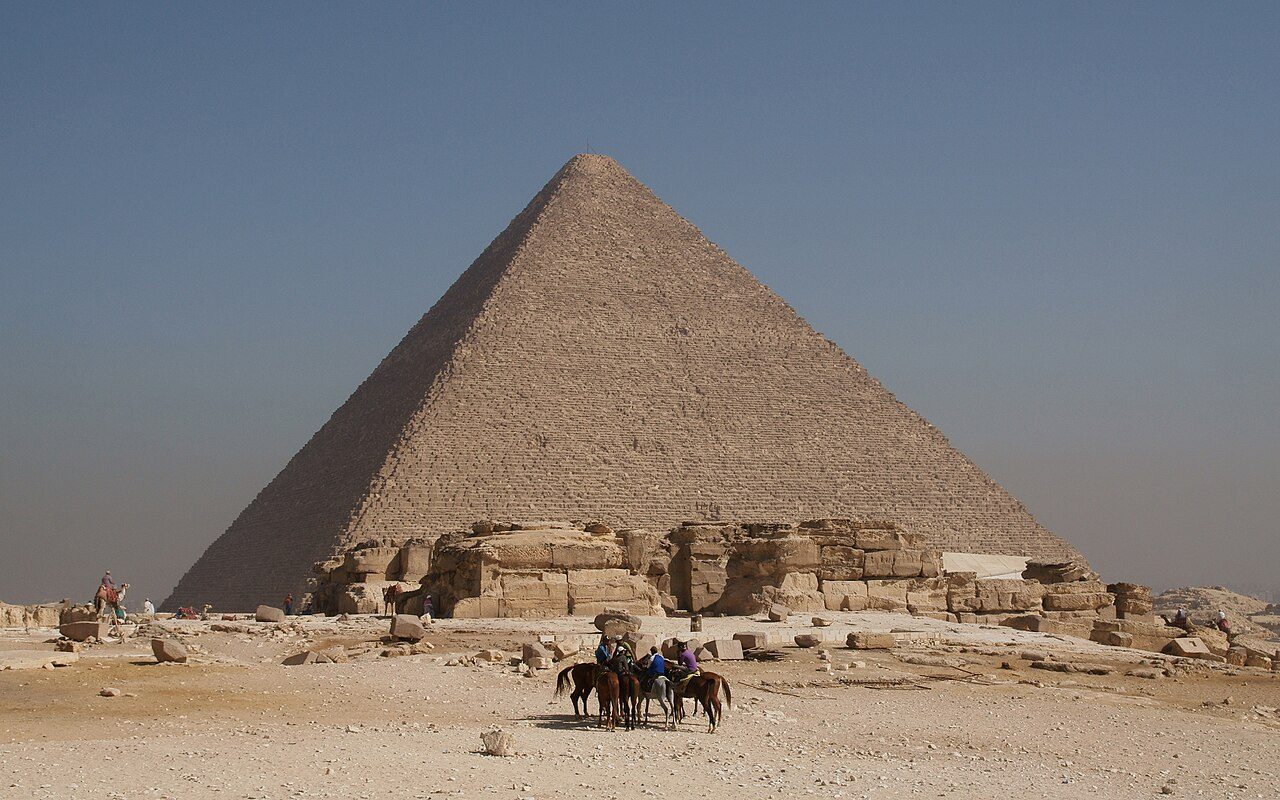 Ancient History: civilizations, writing and empires3300 a. C. – 476
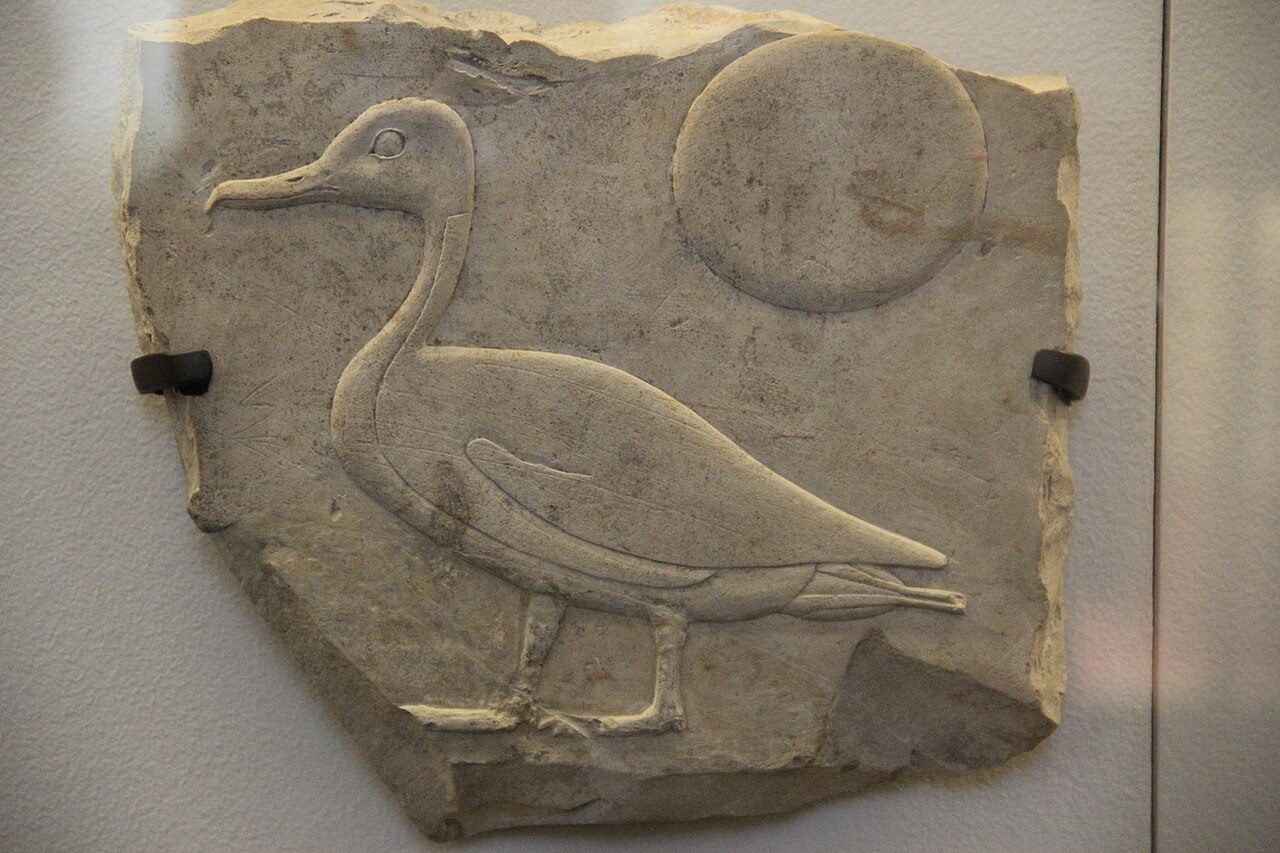 Ancient art: monument, power and religion3300 a. C. – 476
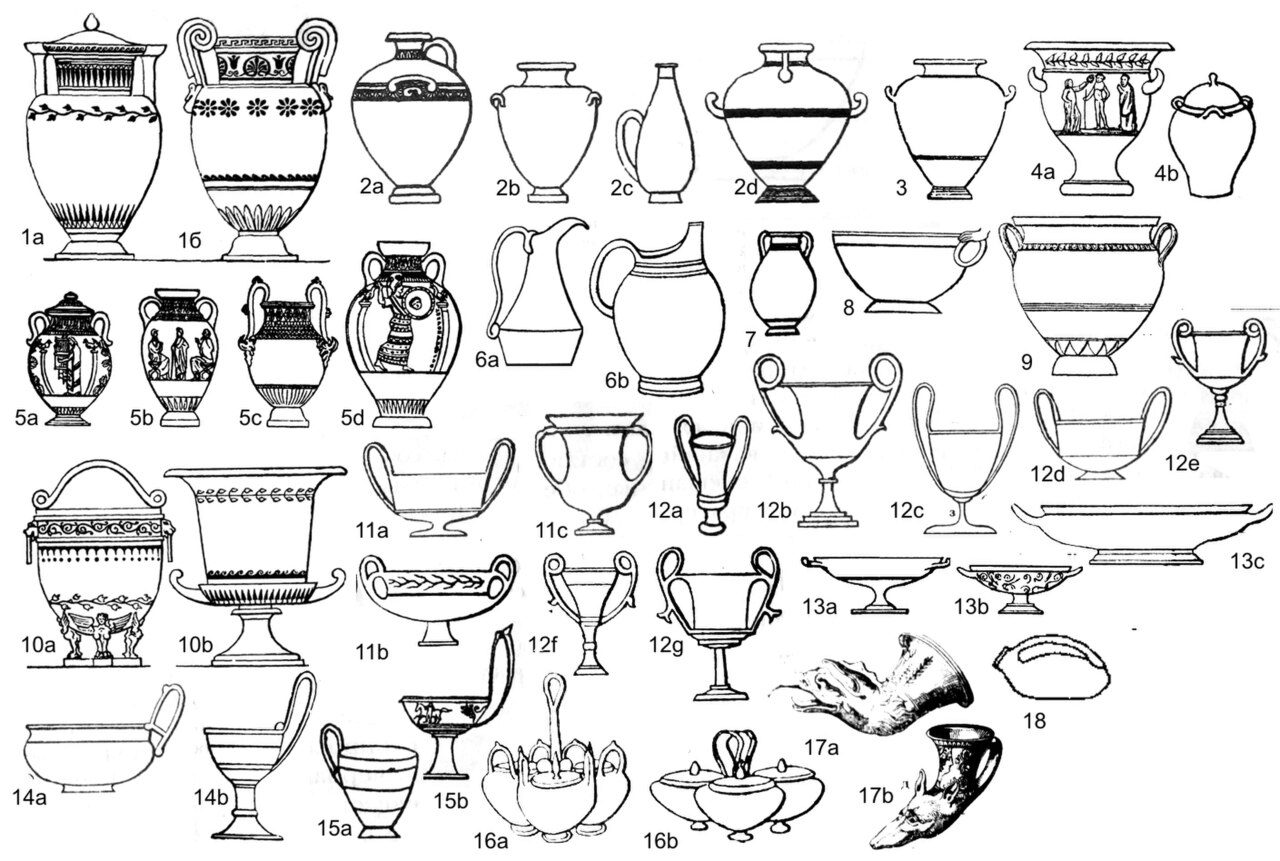 Classical art: Greece and Rome800 a. C. – 476
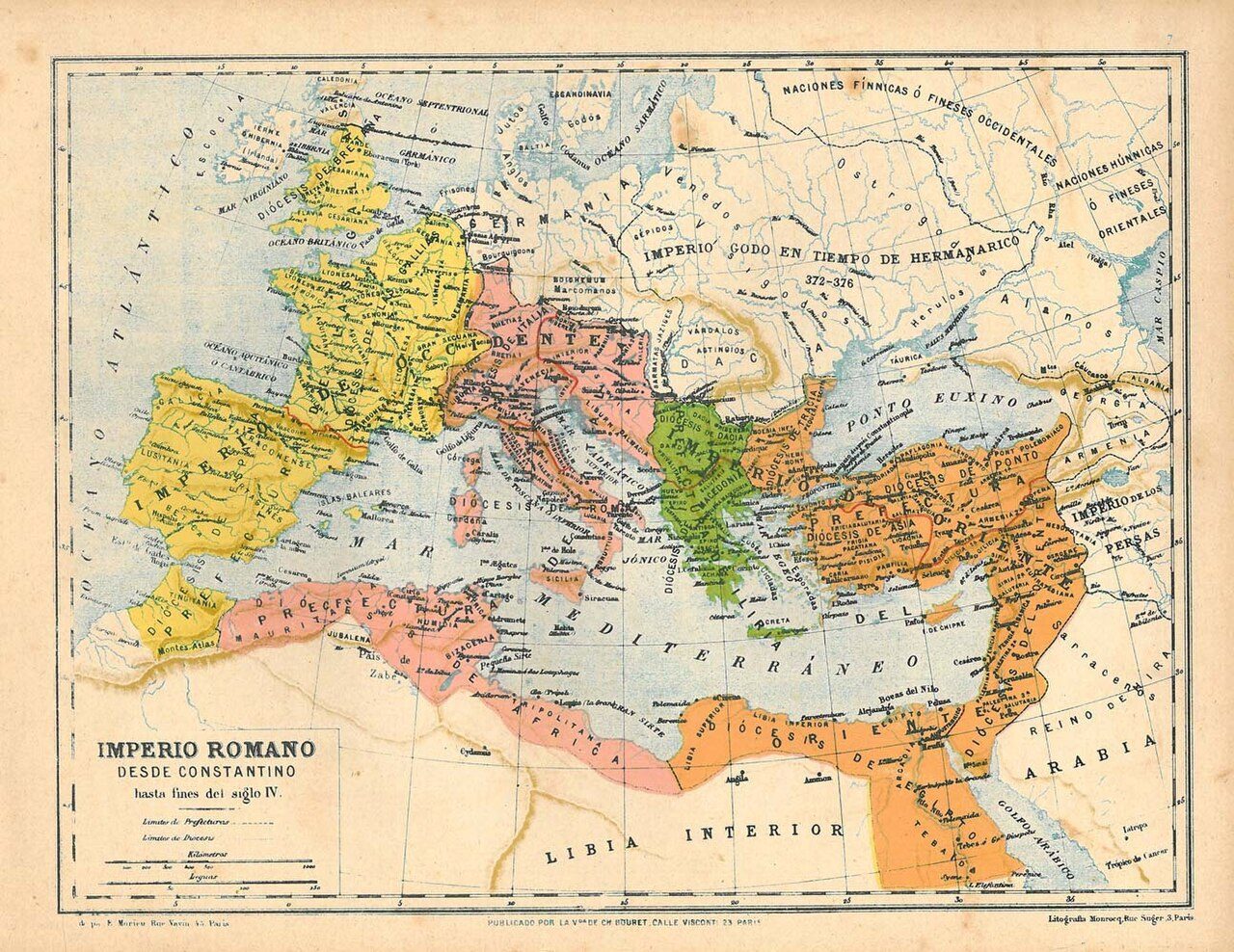 Fall of the Western Roman Empire476
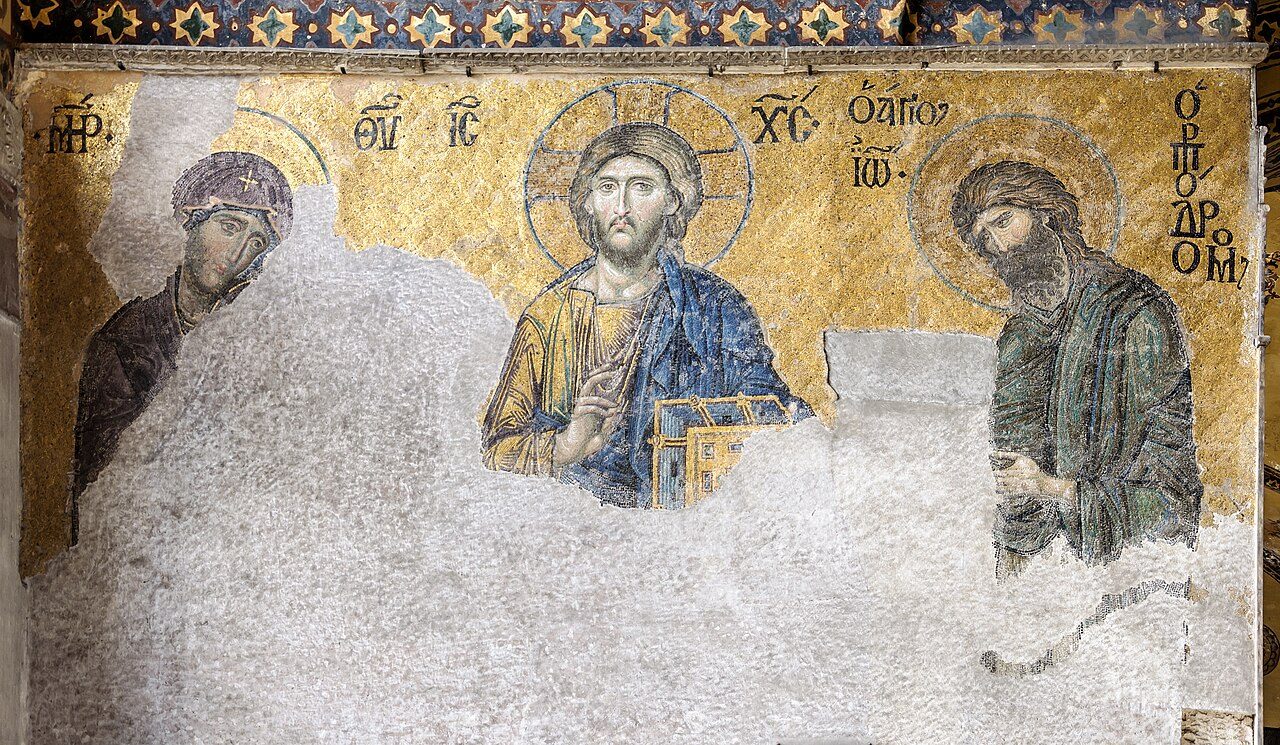 The Middle Ages: from the fall of Rome to the discovery of America476 – 1492
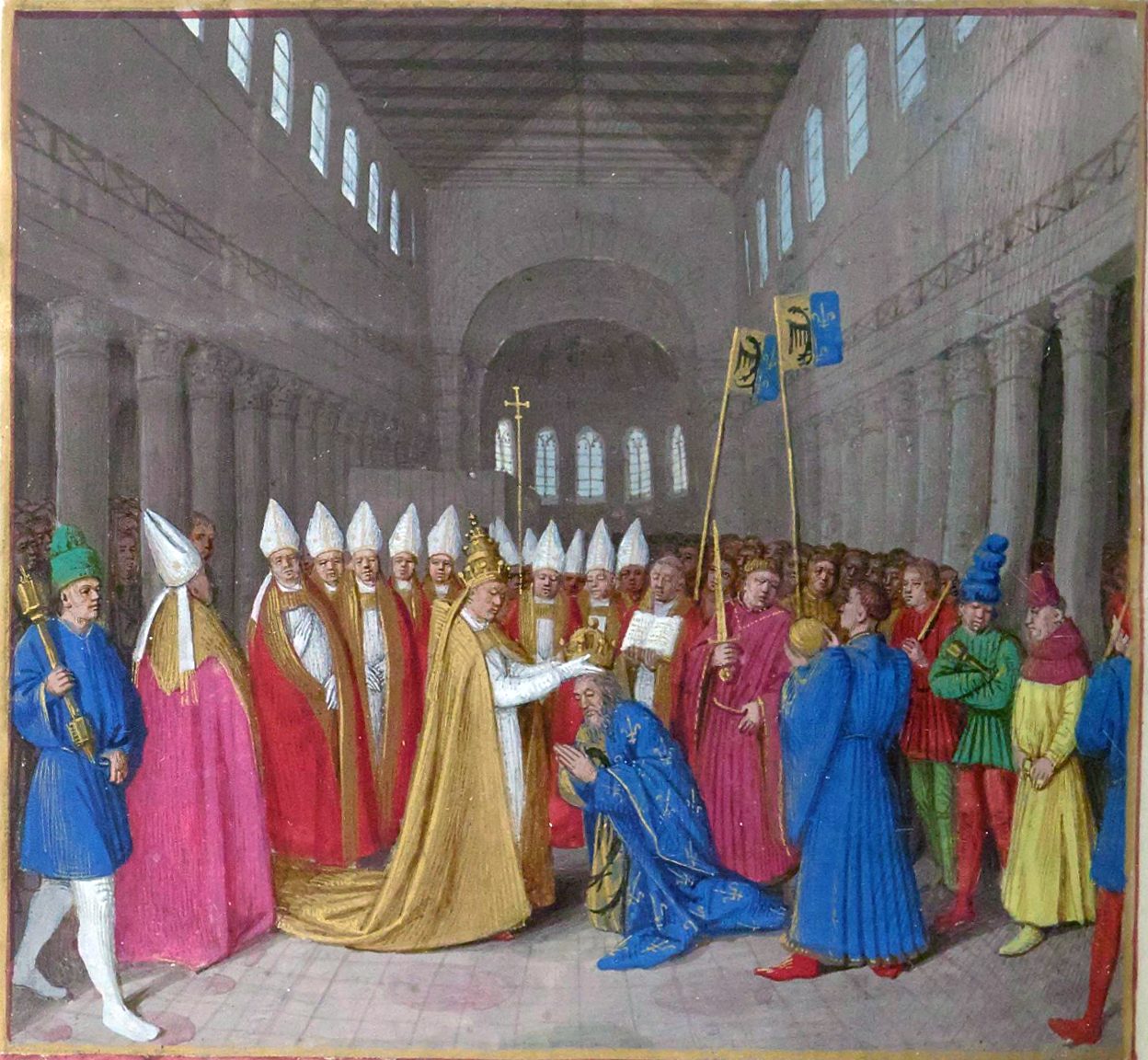 Early Middle Ages: feudalism and new kingdoms476 – 1000
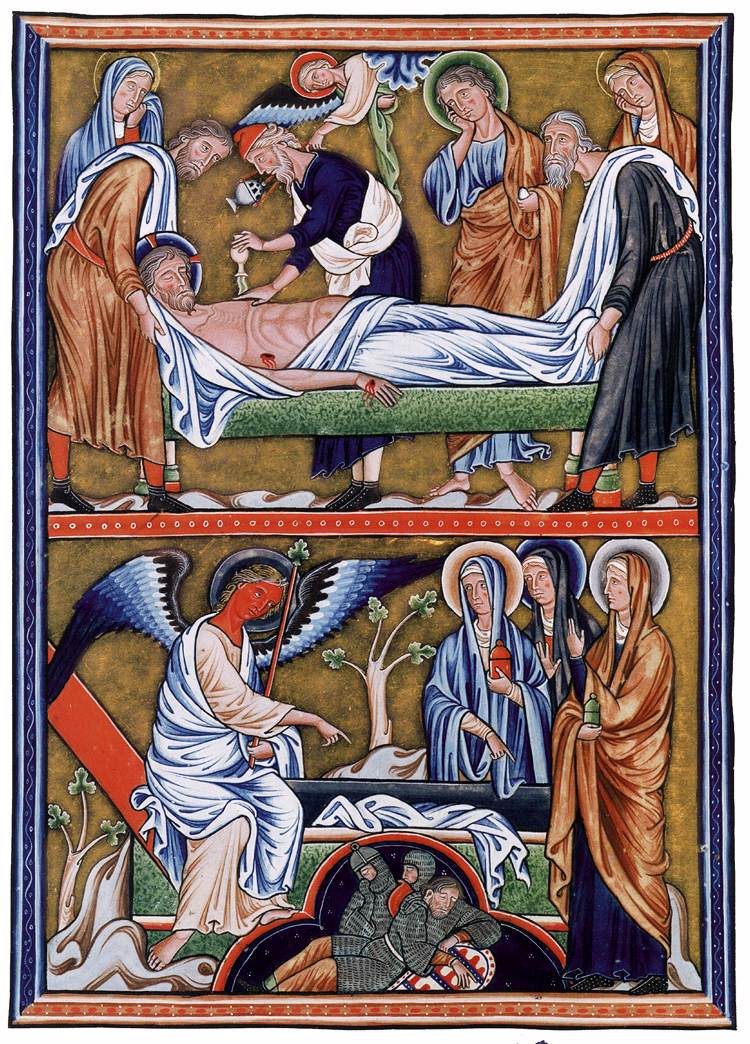 Medieval art: religion, symbol and community476 – 1400
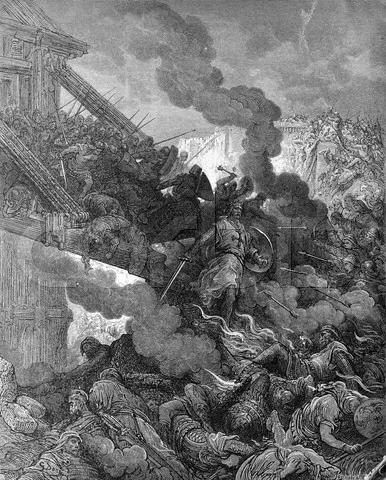 High Middle Ages: expansion, cities and crusades1000 – 1300
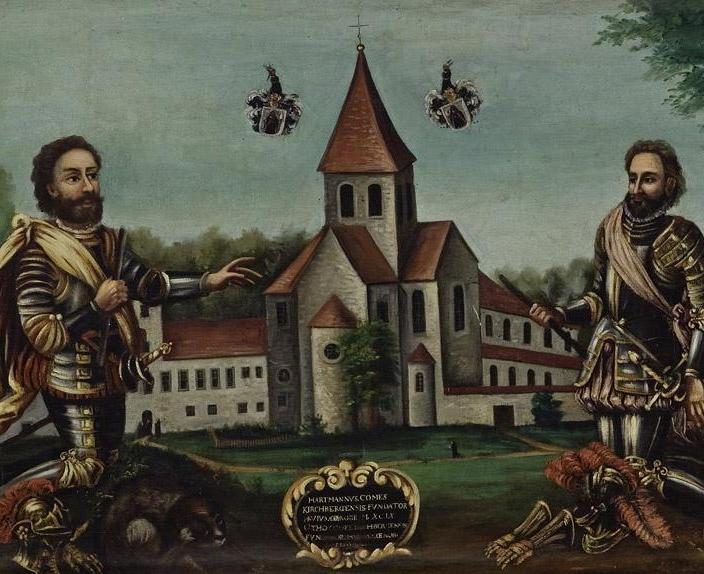 Romanesque: stone, pilgrimage and monasteries1000 – 1300
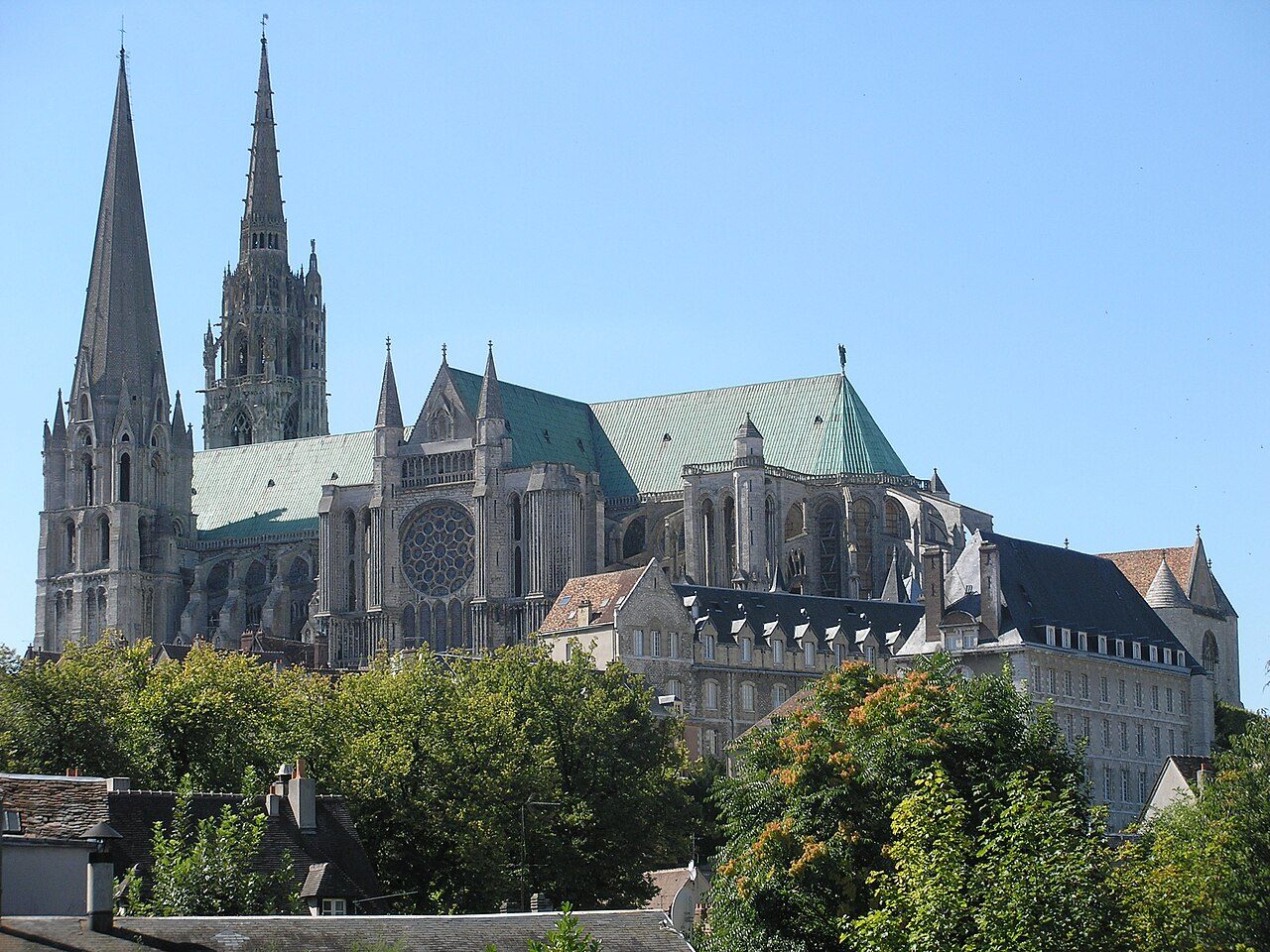 Gothic art: verticality, light and the city1100 – 1400
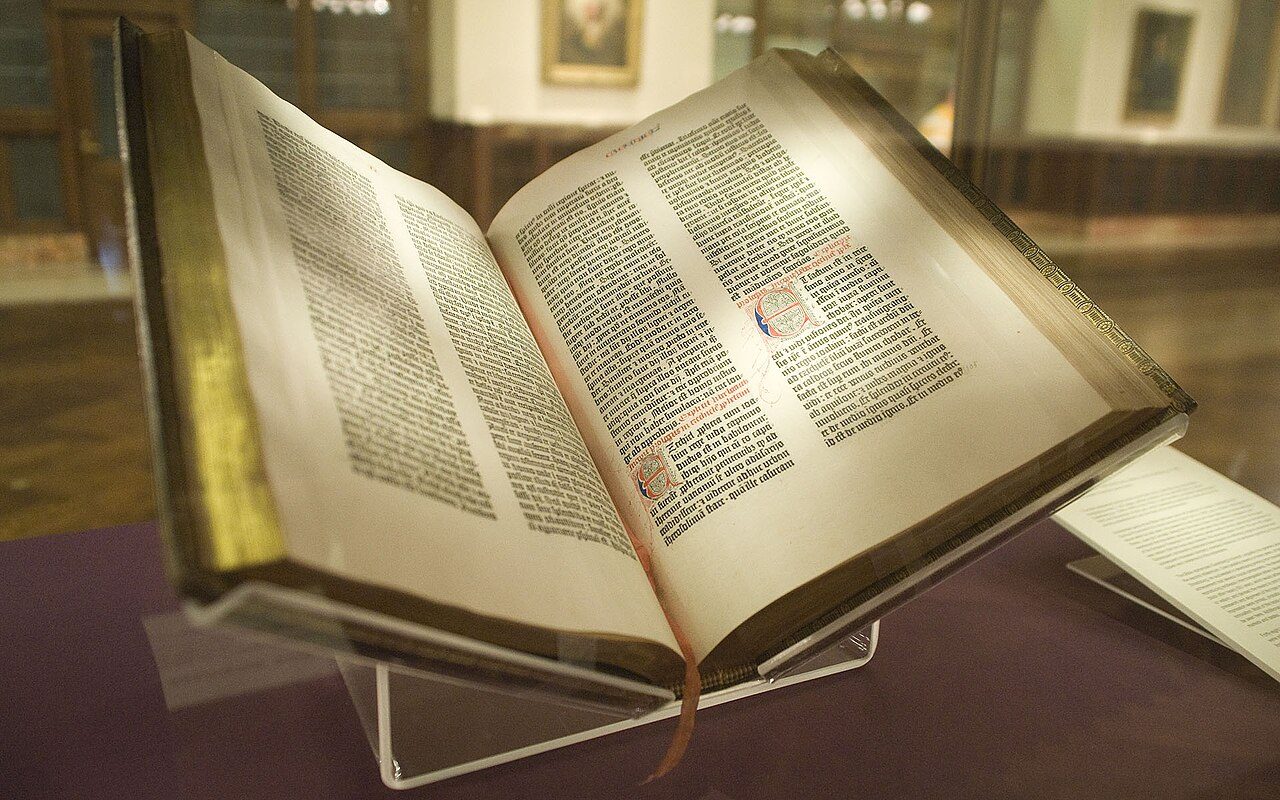 Late Middle Ages: crisis and urban renewal1300 – 1492
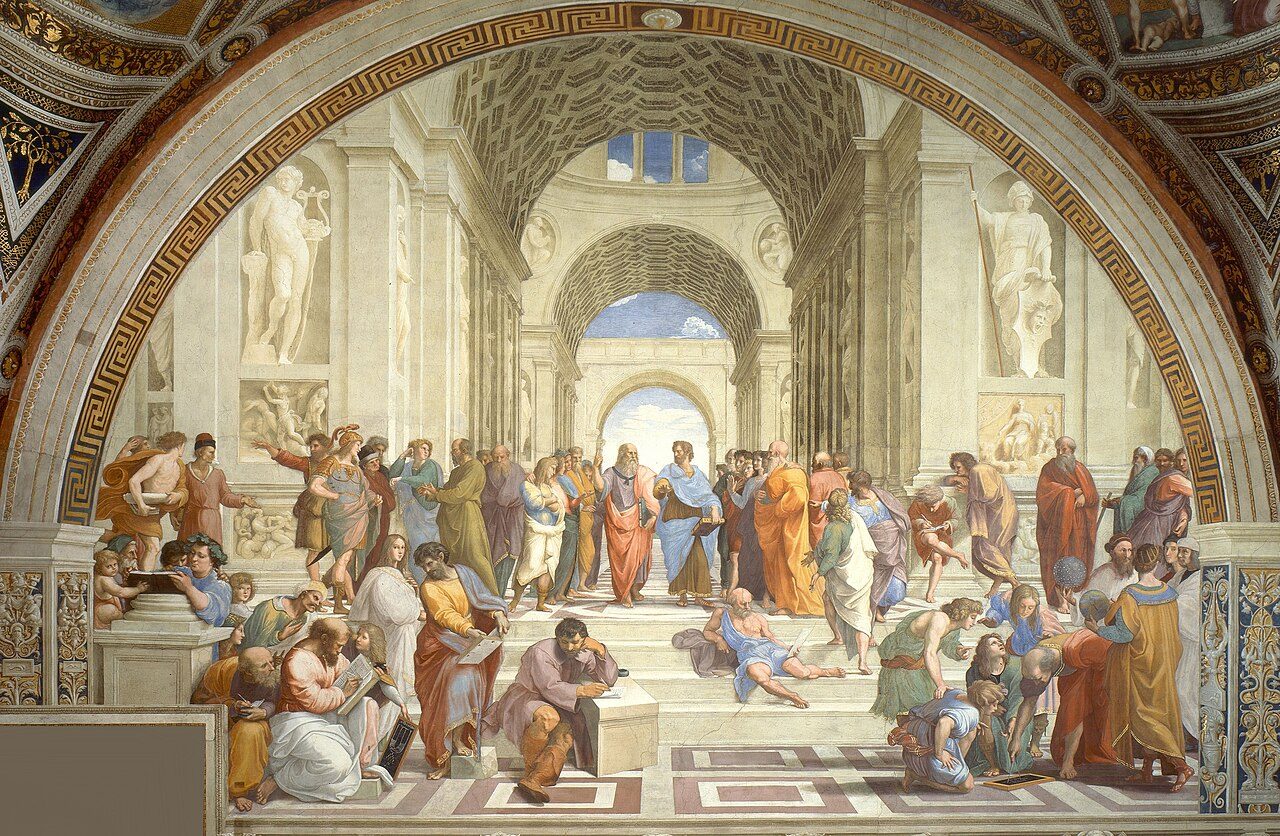 Renaissance: humanism and classical culture1400 – 1600
 Early Modern Period: printing, expansion and new states1492 – 1789
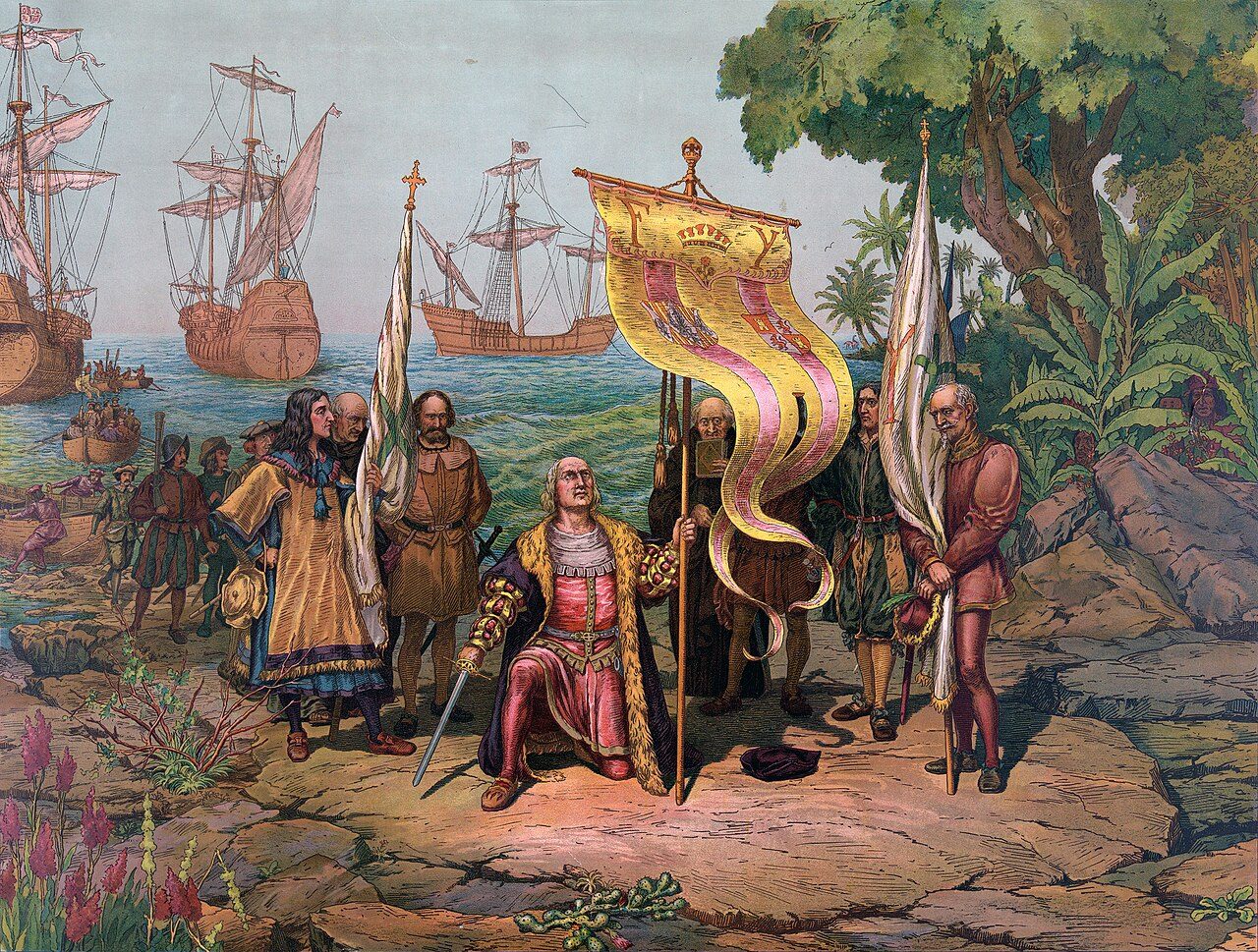 Discovery of America12/10/1492
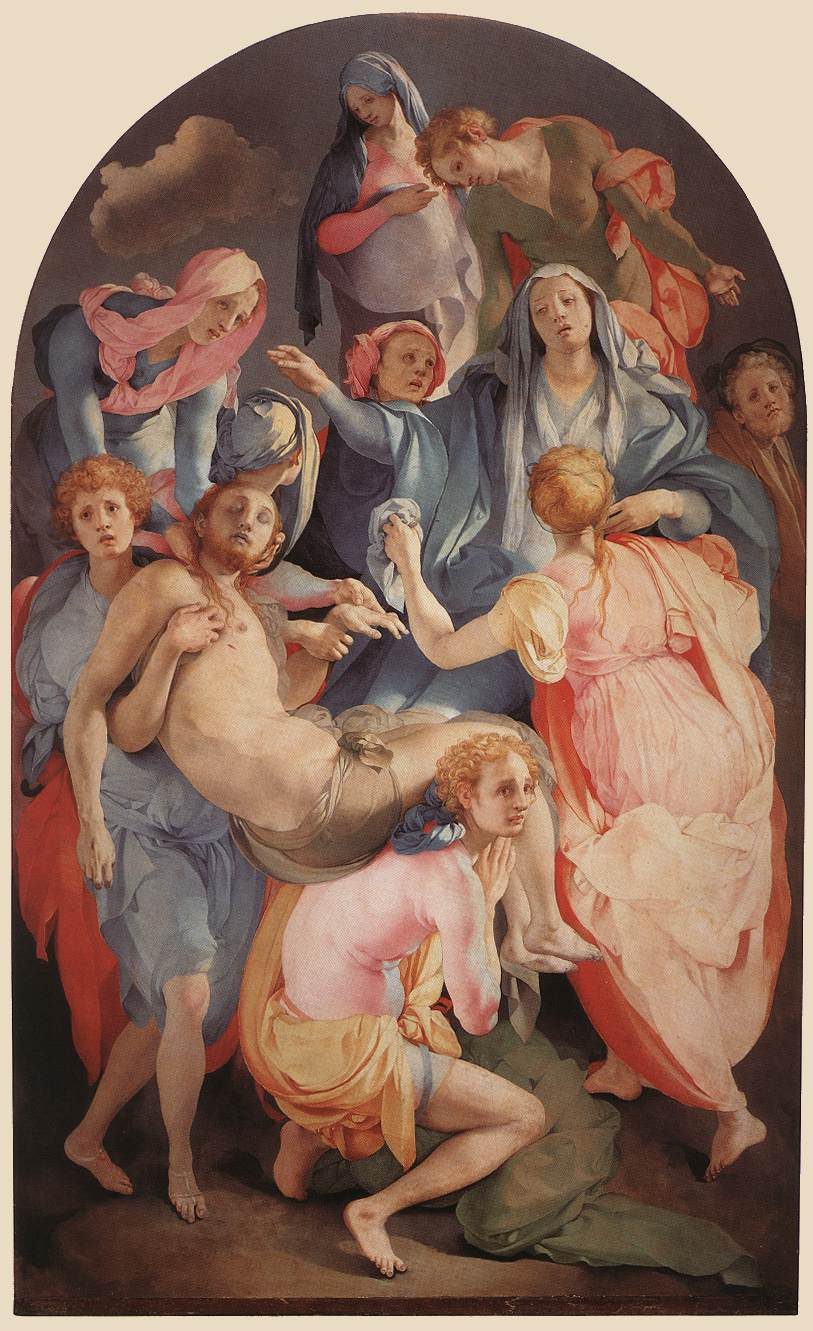 Mannerism: tension after the Renaissance1520 – 1600
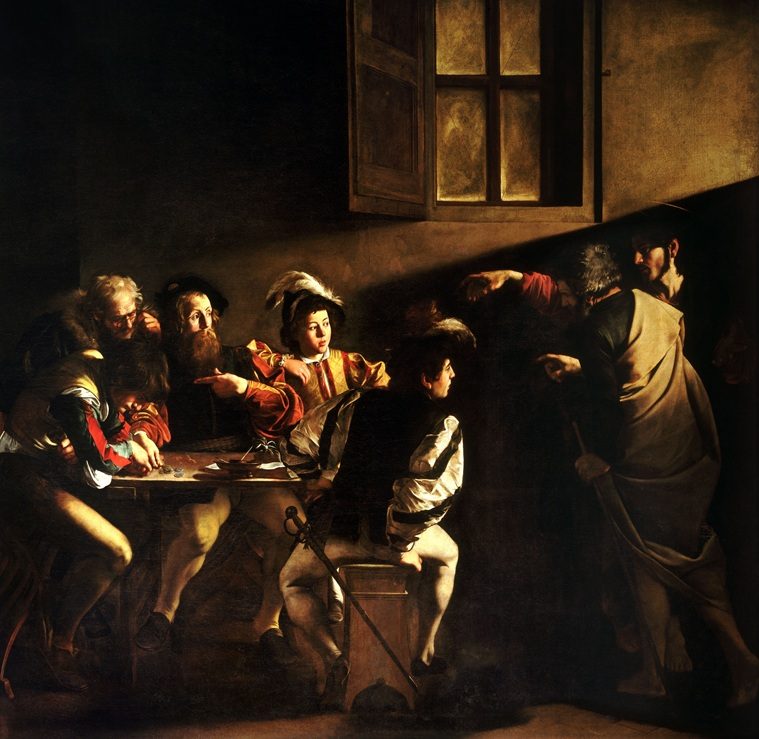 Baroque: emotion, contrast and theatricality1600 – 1750
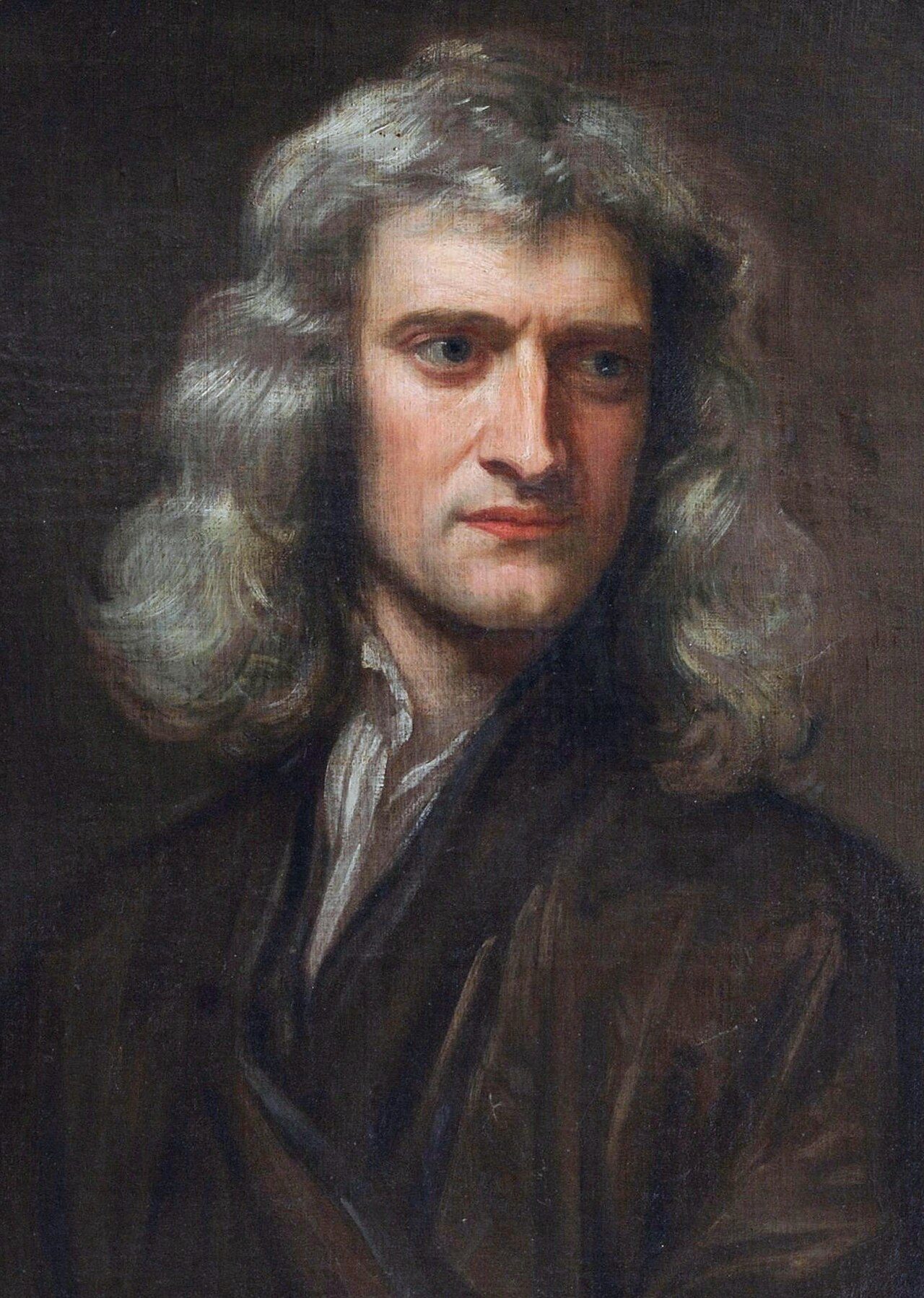 The Enlightenment: the Age of Reason1700 – 1789
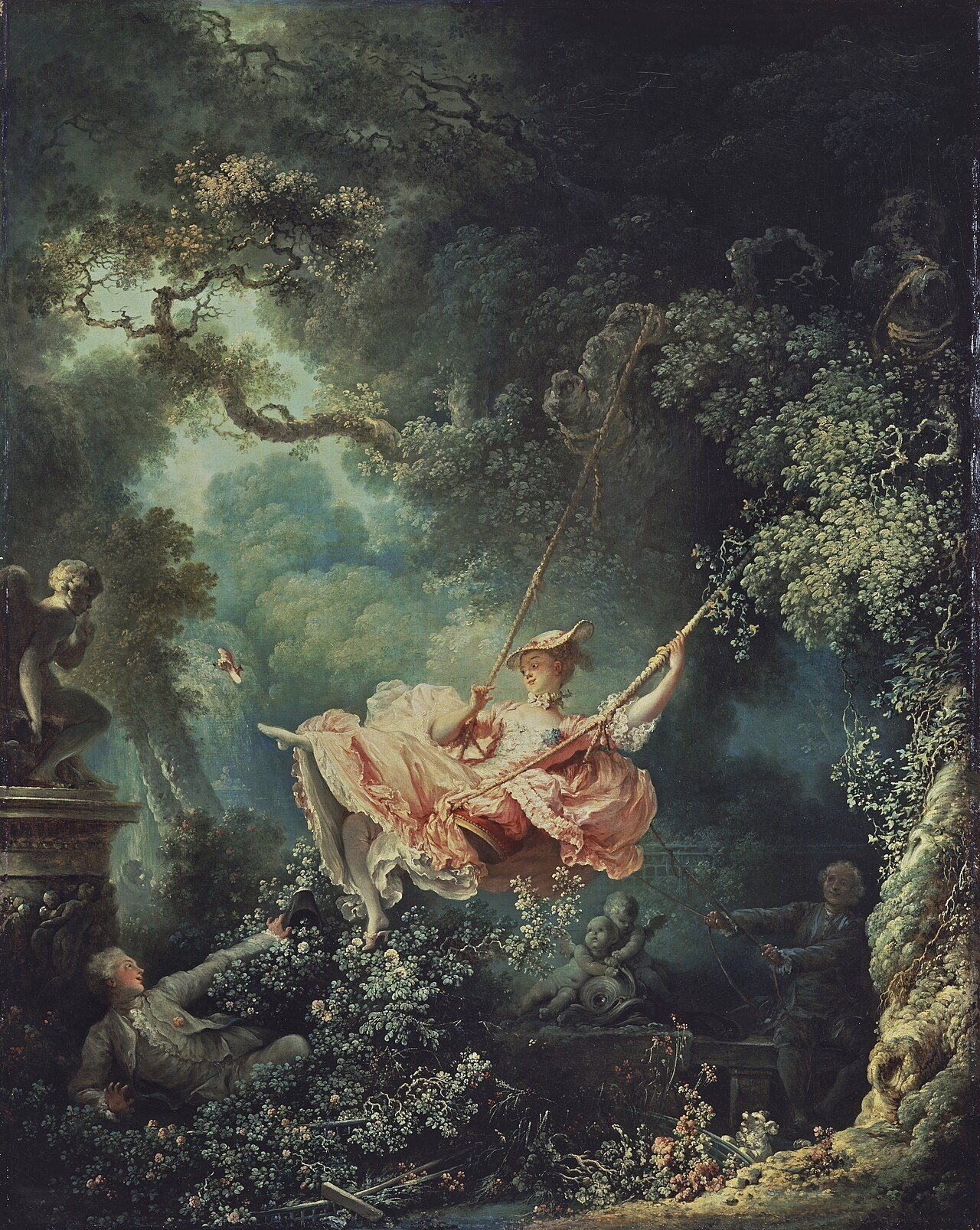 Rococo: aristocratic elegance and curving forms1720 – 1780
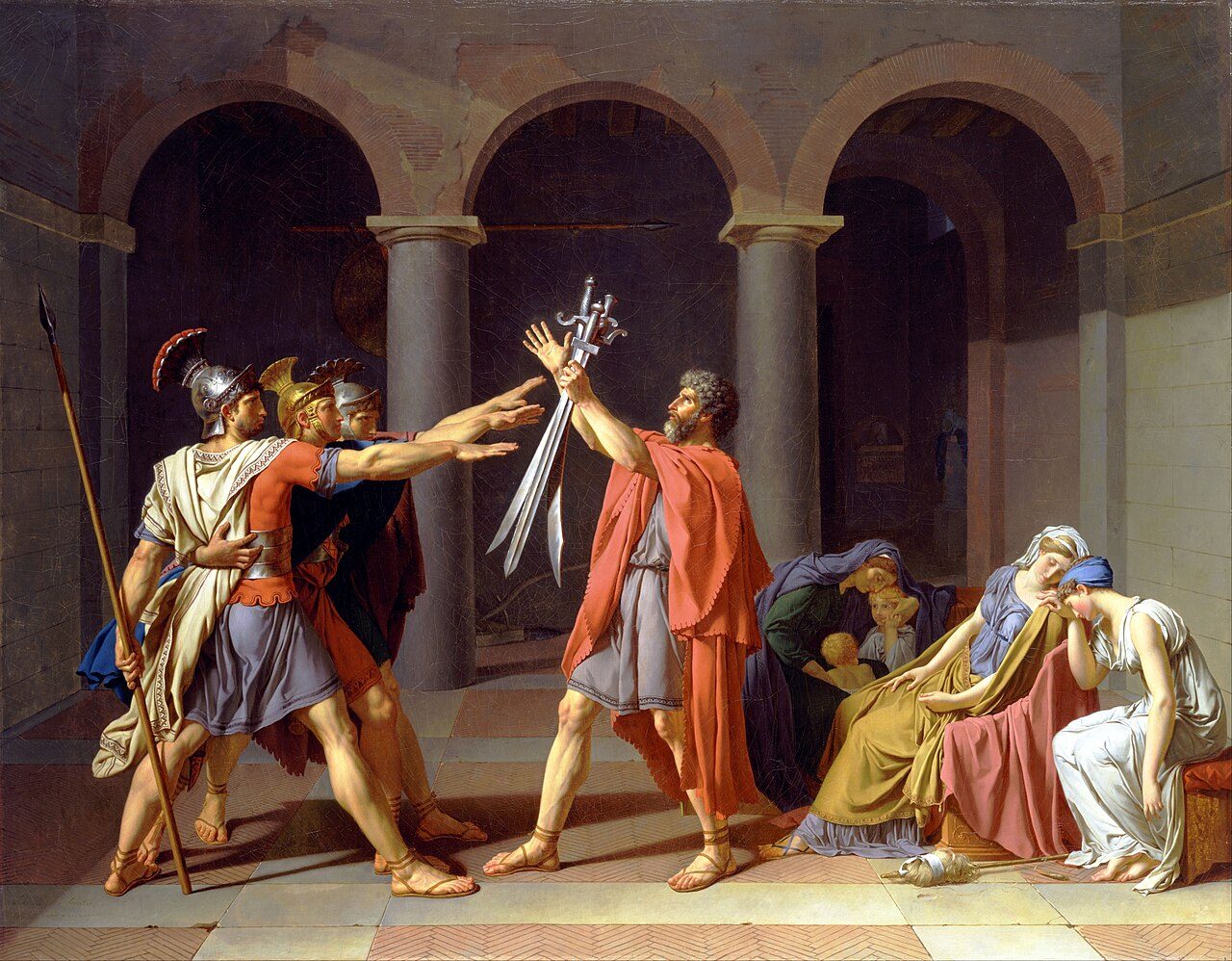 Neoclassicism: a return to Greece and Rome1750 – 1830
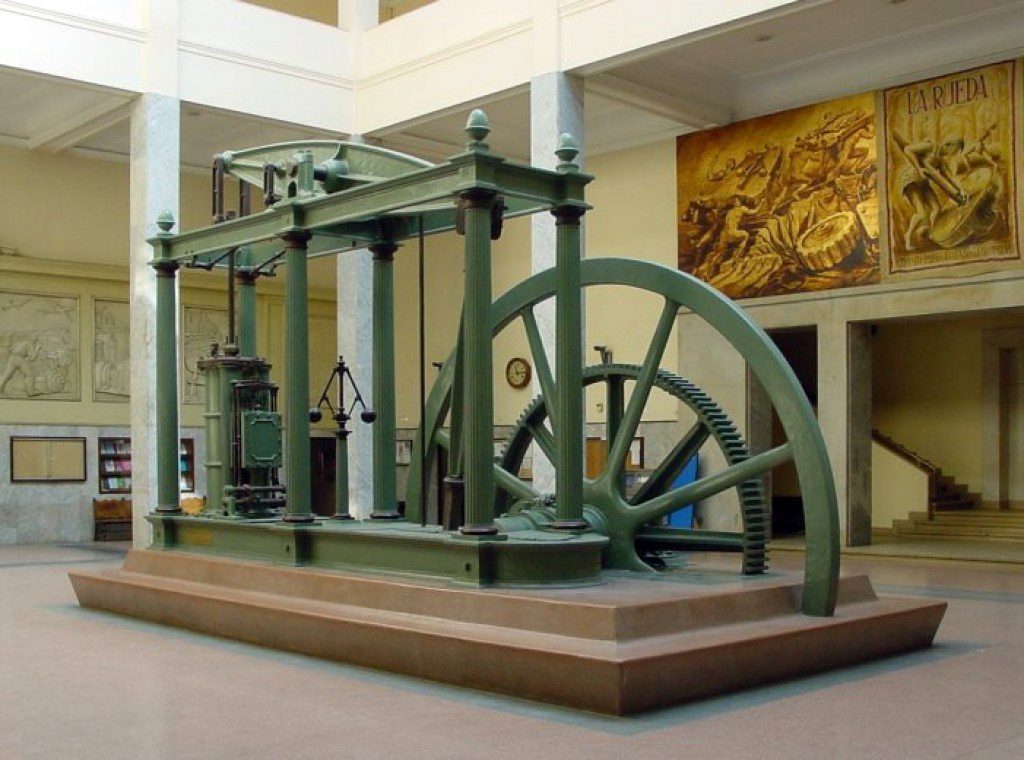 Industrial Revolution: machines, energy and labour1760 – 1840
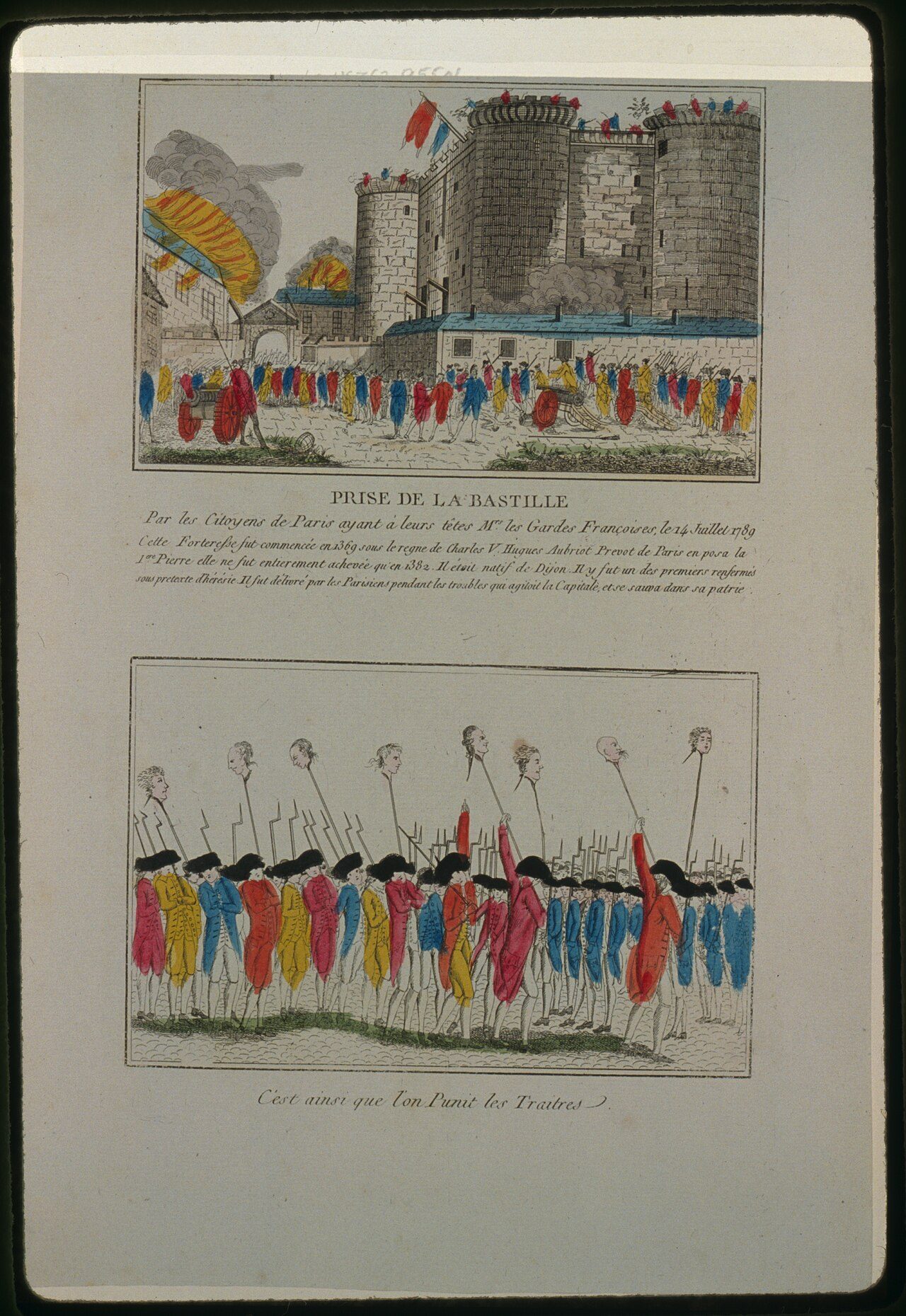 Contemporary History: revolutions, industry and a global world1789 – 2026
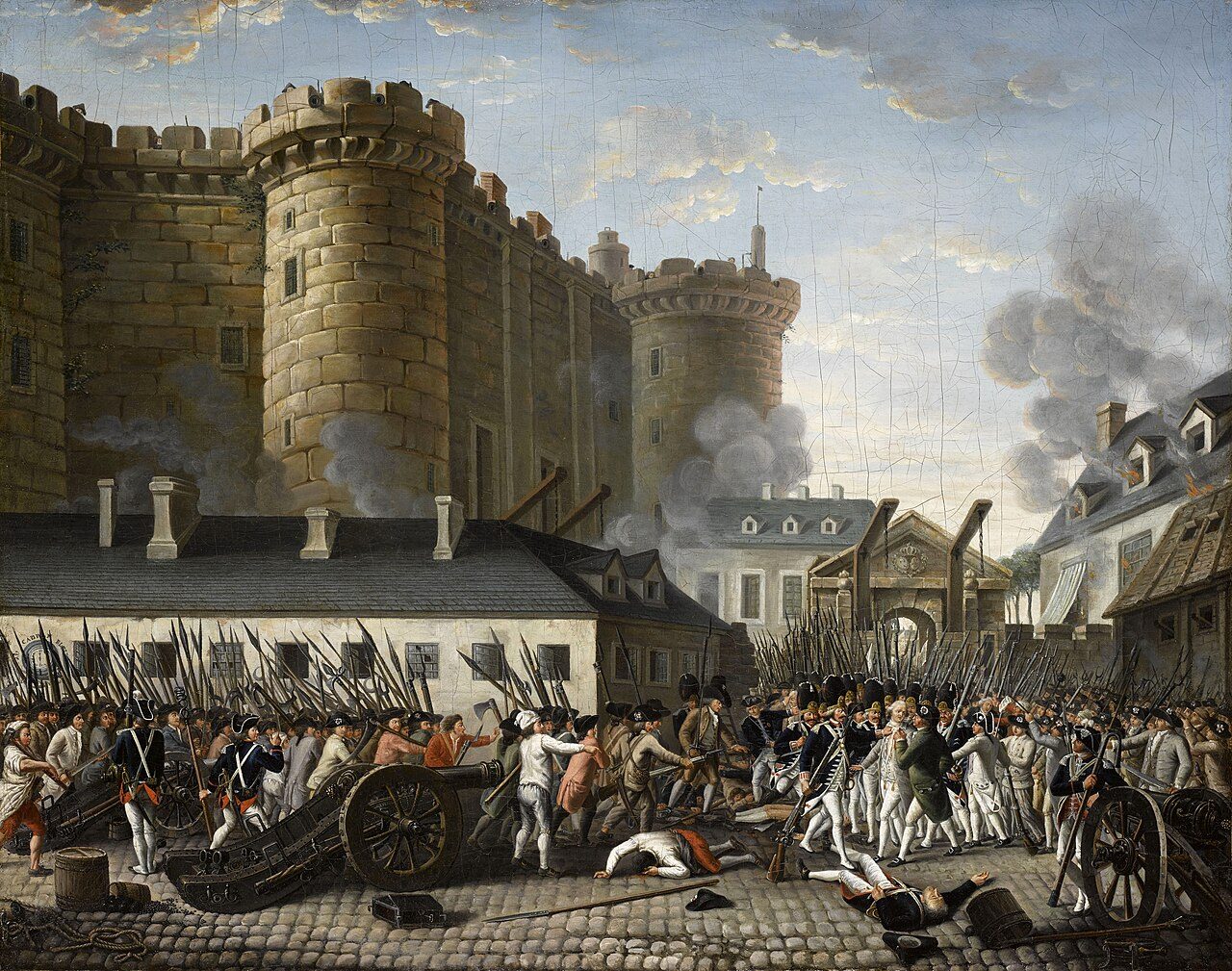 French Revolution: conventional beginning of Contemporary History14/07/1789
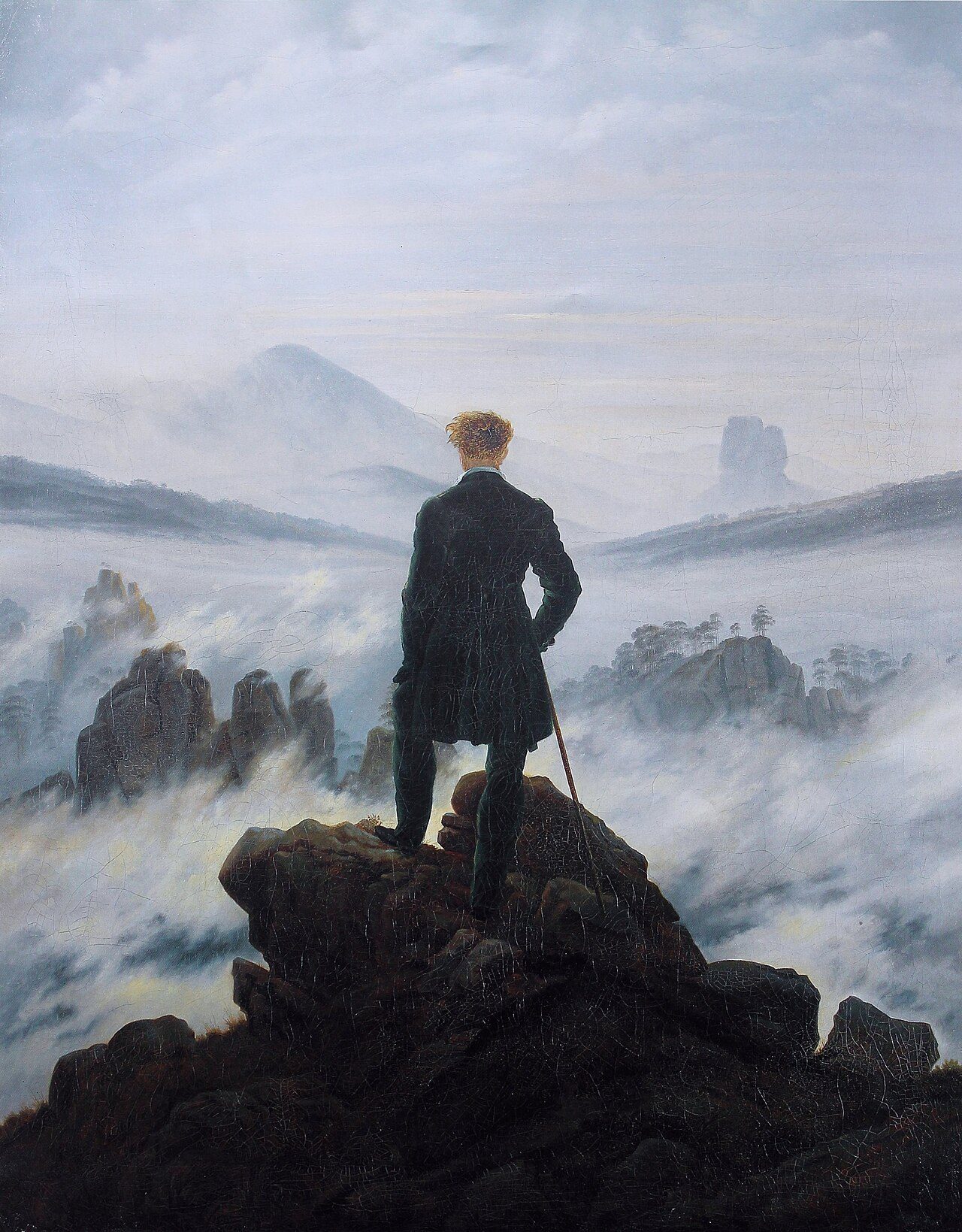 Romanticism: emotion, the individual and nature1790 – 1850
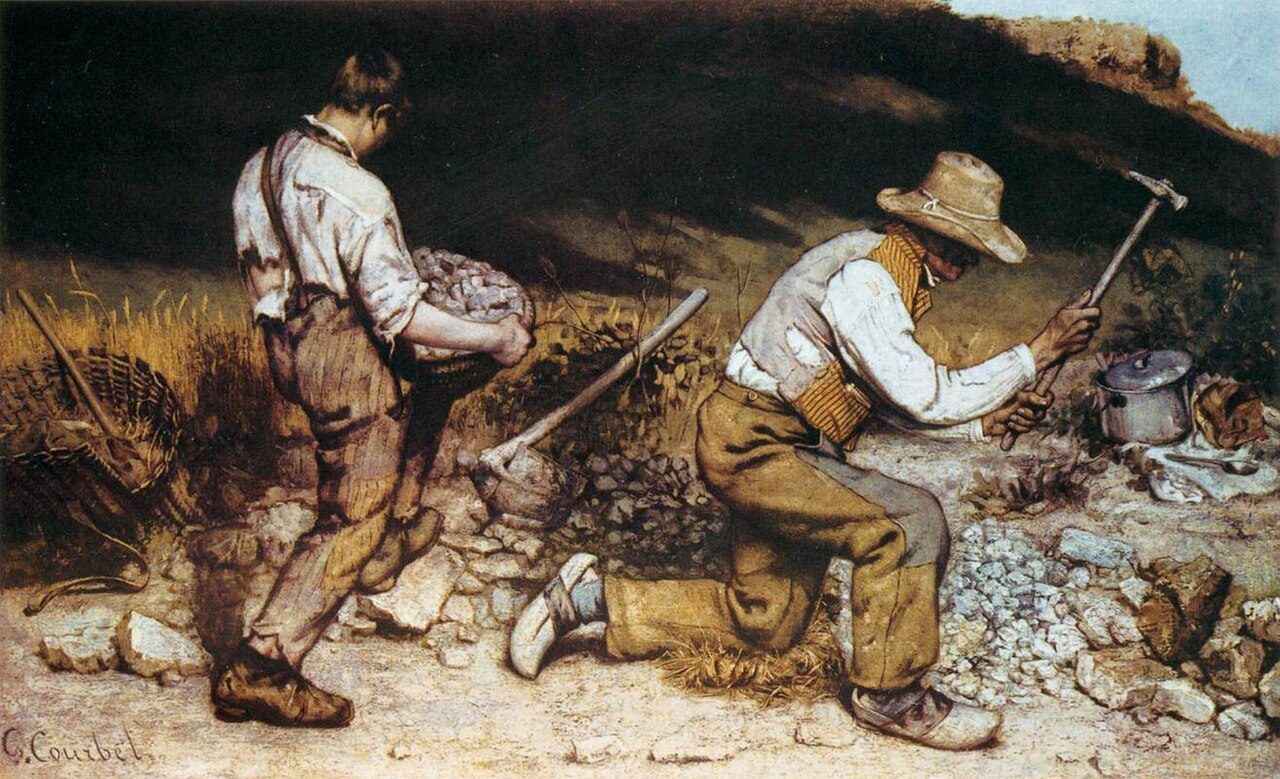 Realism: everyday life and social criticism1840 – 1880
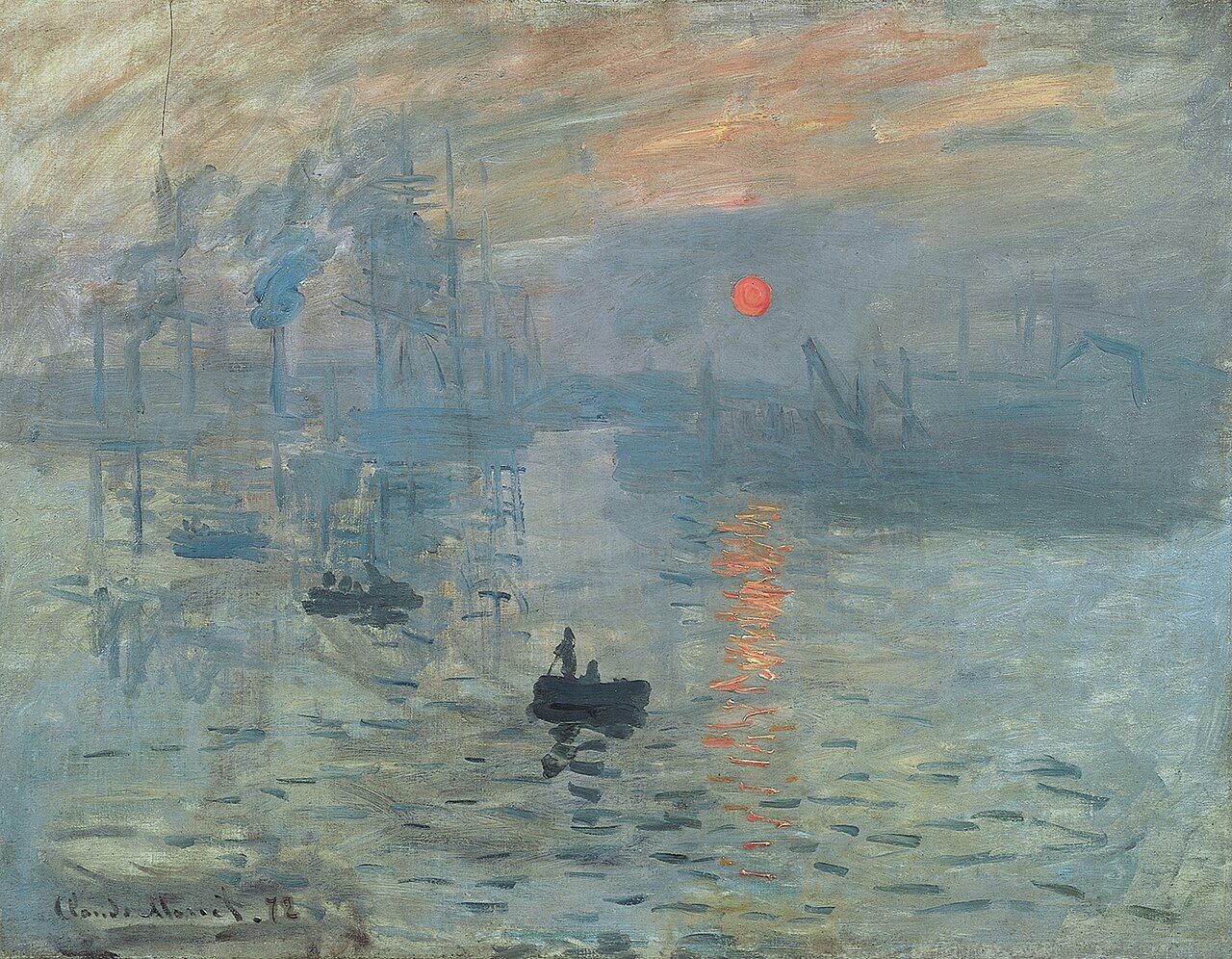 Impressionism and Post-Impressionism: light, colour and the modern gaze1860 – 1910
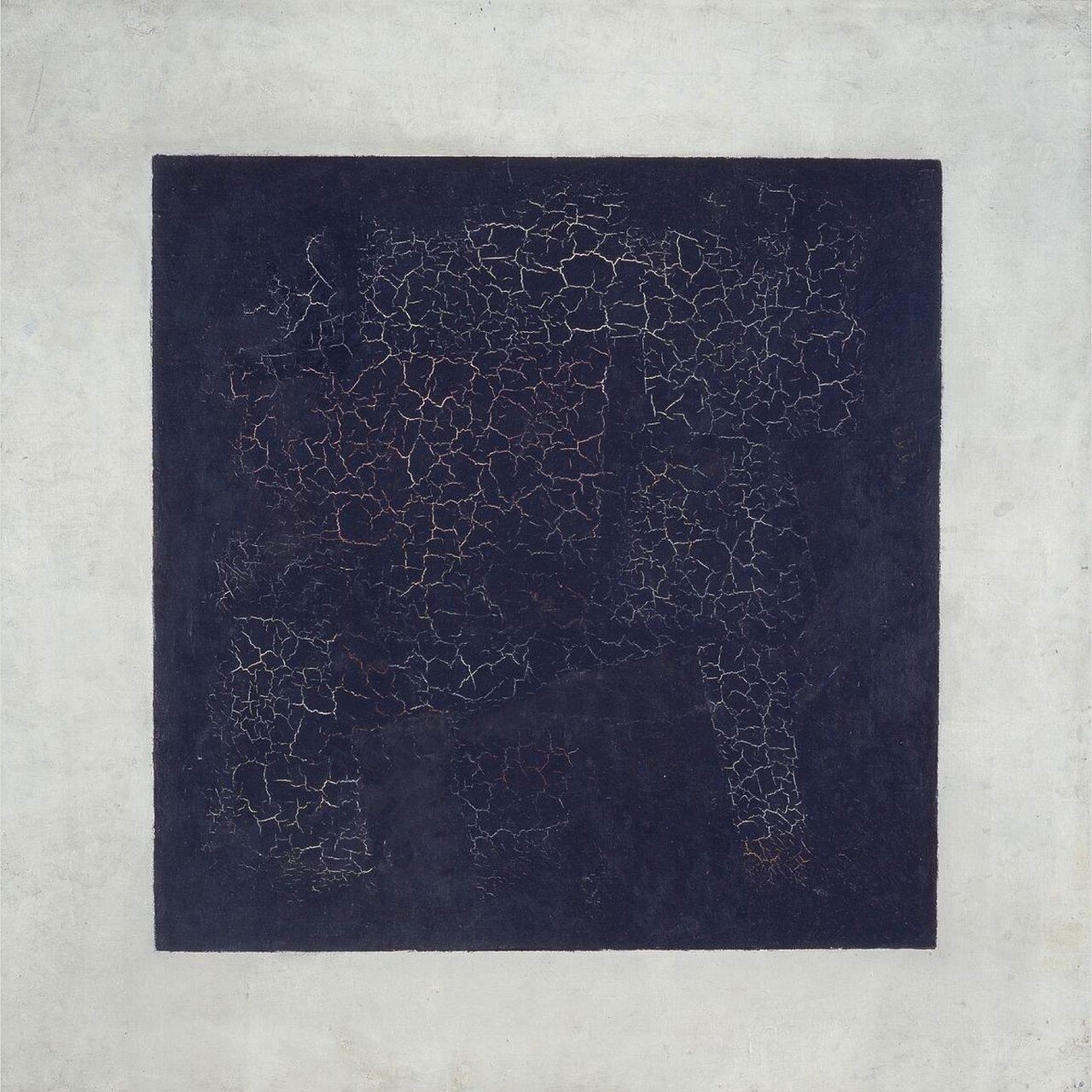 Twentieth-century avant-gardes: rupture and experimentation1905 – 1945
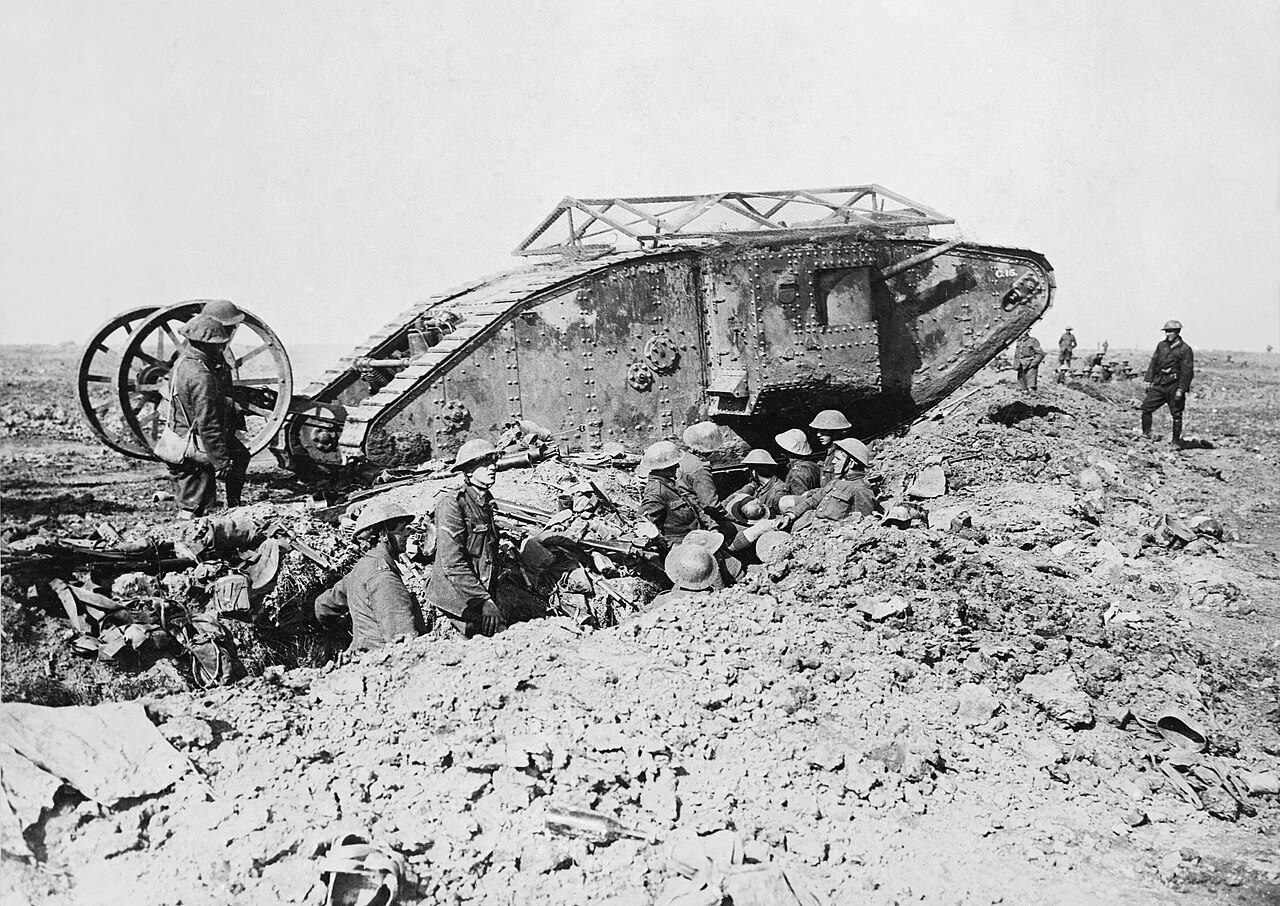 World wars: the crisis of European modernity1914 – 1945
 Contemporary art: media, concepts and new formats1945 – Hoy
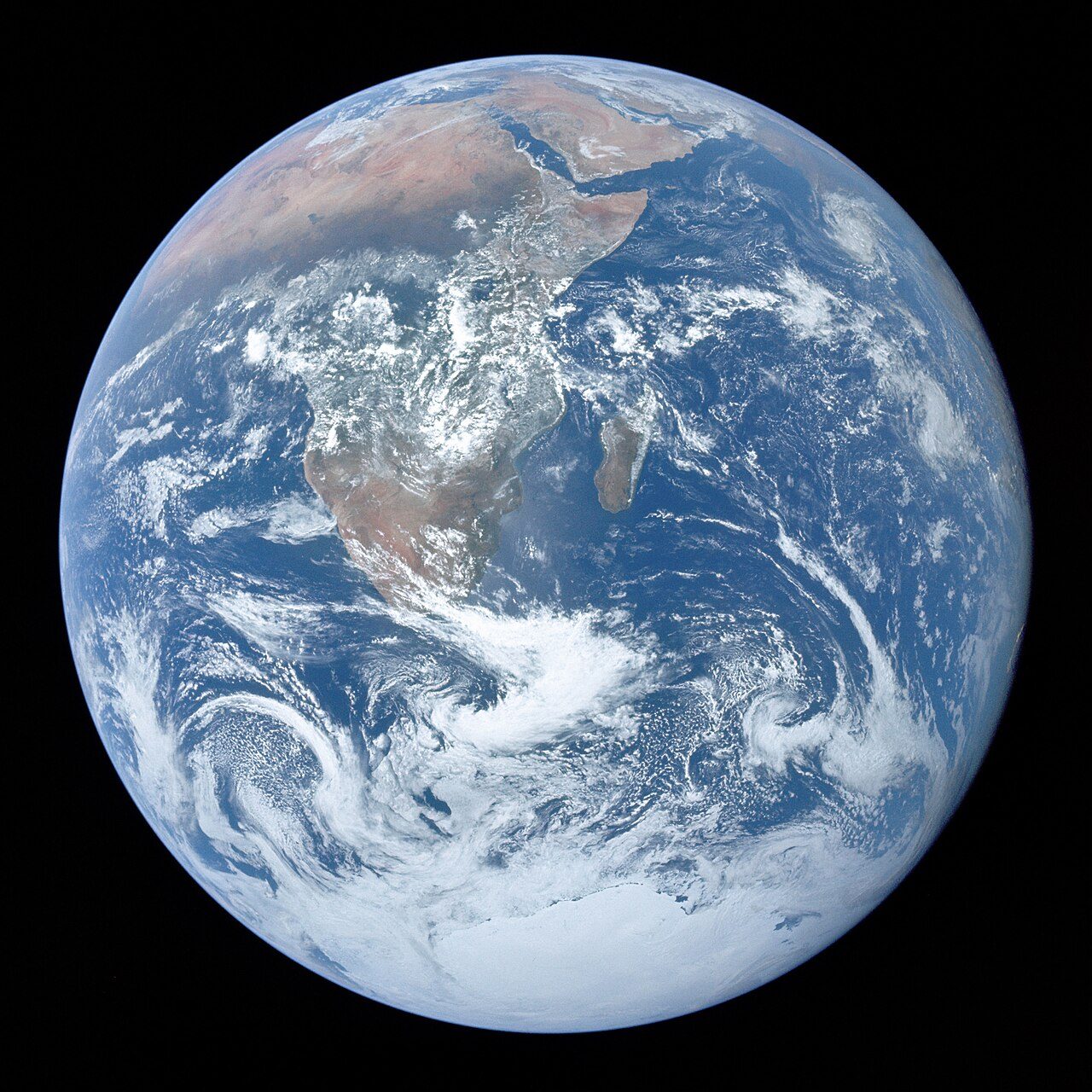 Globalization and the digital age1989 – Hoy